Designing Stillness: Your Scandinavian Garden
You step outside into your garden on a summer evening. The chair beneath you is honest wood, worn smooth by seasons. The space around you is uncluttered. There's nothing demanding your attention. Just an invitation to simply be. This is what Scandinavian outdoor design offers: not escape from the heat, but a way to be present within it.
We spend so much energy designing our interiors. Considering every colour, every material, every corner. Yet when we step outside, we often abandon that intentionality. We fill our gardens with excess. We chase trends. We forget that the same philosophy that creates calm indoors can transform our outdoor spaces into sanctuaries.
The Philosophy Behind the Door
When you step outside, Scandinavian design comes with you. It doesn't pause when the seasons change. The principles that guide a Nordic living room, simplicity, natural materials, honest craftsmanship, intentionality, they extend seamlessly into the garden.
When you walk through a design studio, you feel it. The same restraint. The same respect for space. The same understanding that less is not compromise. It is clarity.
This philosophy didn't emerge by accident. Scandinavian cultures have lived with long dark winters and brief precious summers for centuries. There's a consciousness built into their approach: make what you have matter. Choose each piece with care. Let it serve you for decades. Let it age with grace.
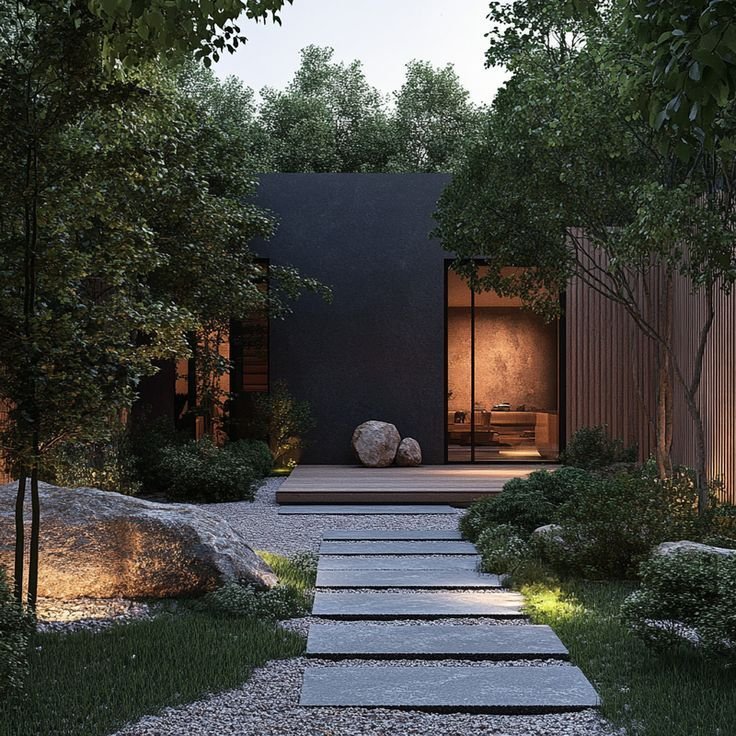
When you bring this mindset outdoors, everything shifts. Your garden becomes an extension of your home, not an afterthought. The furniture you choose isn't just functional. It's a conversation about how you want to live. The space you create isn't just a backyard, it's a room without walls, designed for presence.
The Art of Outdoor Presence
There's a practice in Japanese culture called shinrin-yoku, forest bathing. It's not exercise nor is it sightseeing. It's simply being present in a natural space, noticing, observing, letting your nervous system settle. Scandinavian outdoor design invites the same quality of presence.
When you sit in a well-designed garden, something shifts. You're not thinking about what to do next. You're noticing the light filtering through leaves and the texture of wood grain beneath your fingertips. The way a breeze moves across skin…the quality of silence.
This happens because every element has been chosen. Nothing is competing for attention. Nothing is broken or mismatched, creating that low-level stress of disorder. There's a quiet confidence in the space, a sense that everything here was considered.
This is what I felt standing in spaces where someone took time to really look. At materials. At proportions. At how light will move across a surface at different times of day. At what will endure.
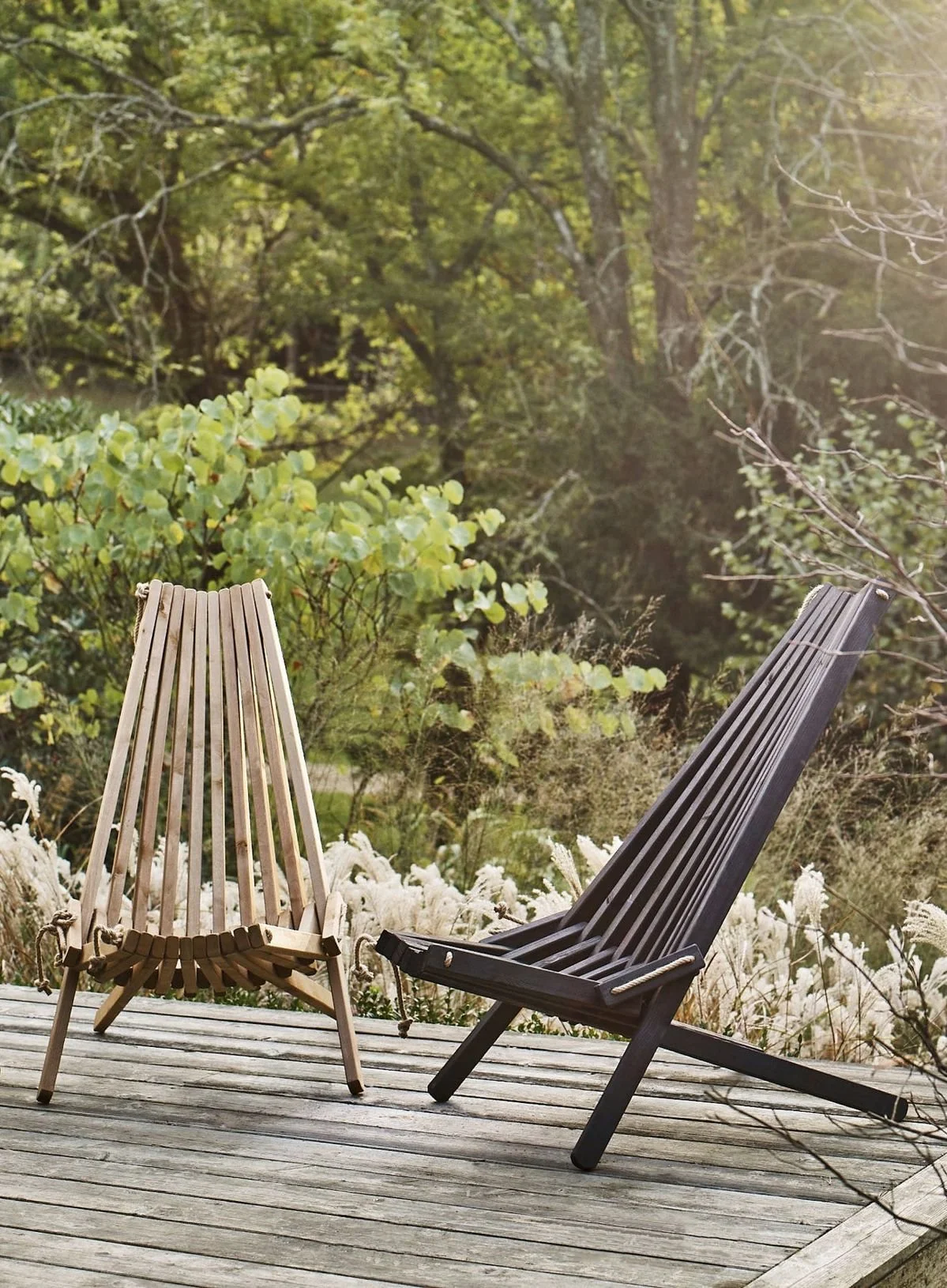
When you sit in teak furniture that's been weathered by seasons, you're not sitting in something that's degraded. You're sitting in something that's deepened. The wood has become richer, more textured, more beautiful. This is wabi sabi applied to your garden, the understanding that time doesn't diminish beauty, it reveals it.
Materials That Breathe: Designing for the Heat
A heatwave transforms how we think about outdoor spaces. Suddenly material choices matter in a visceral way. The difference between plastic and wood isn't just aesthetic. It's physical and it's the difference between comfort and stress.
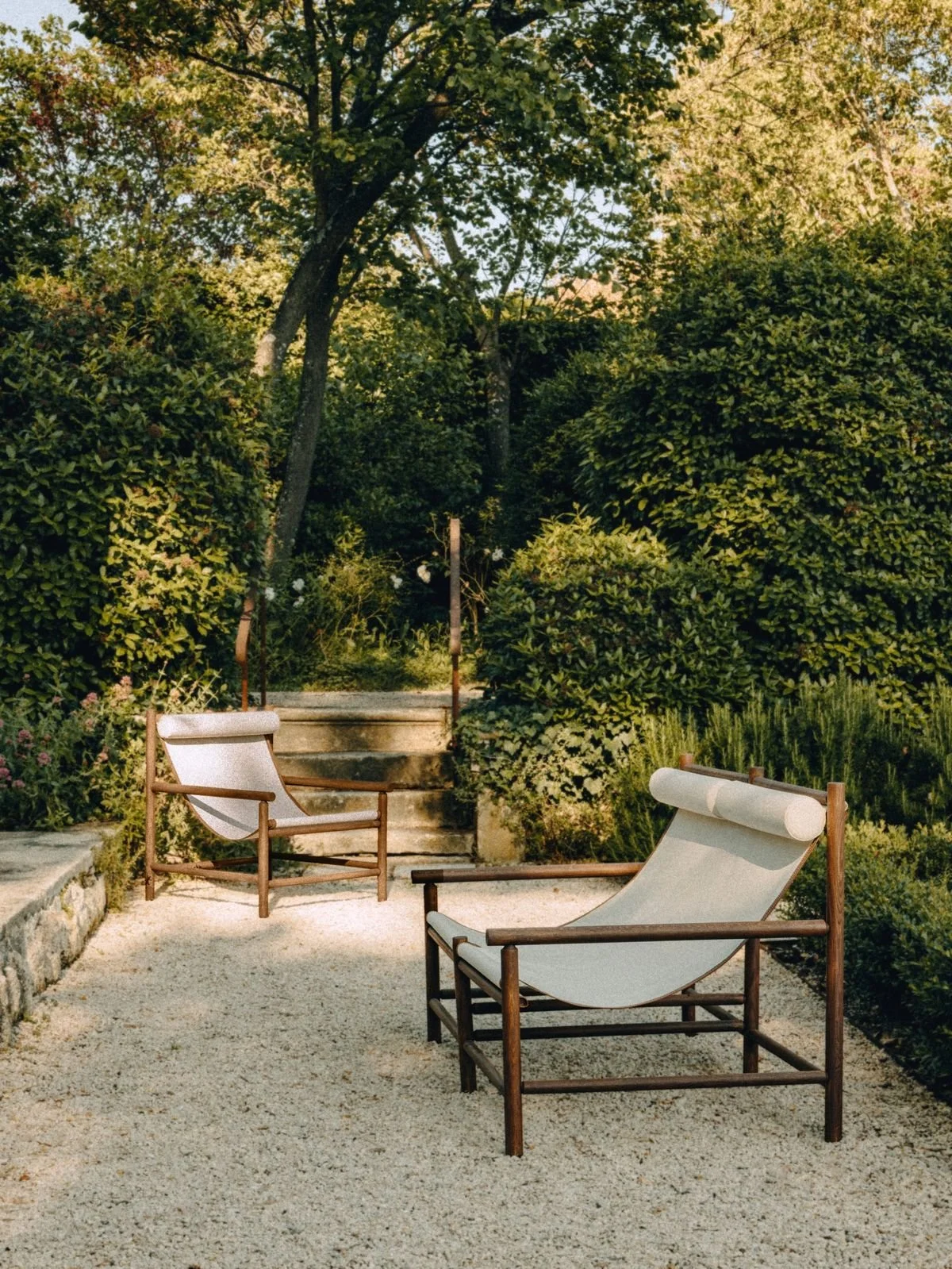
Natural wood breathes. Teak, oak, cedar. These materials have been chosen by Scandinavian designers for centuries because they work with climate, not against it. Wood absorbs and releases moisture. It stays cooler to the touch than synthetic materials. It develops a patina that's uniquely beautiful. When teak weathers, it turns silver-grey. When oak ages, it deepens. You're not watching something degrade, you're watching it transform.
Breathable fabrics, linen, cotton, untreated canvas, allow air to move. Your body stays cooler. The fabric doesn't trap heat the way synthetic blends do. These materials also age beautifully. A linen cushion that fades and softens over seasons isn't ruined. It's becoming more itself.
Light colours do more than look calm. They reflect rather than absorb heat. A white or soft grey chair keeps the temperature down. A pale linen cushion invites you to sit rather than making you dread the heat.
This is where Scandinavian design and practical sense align. The choices that feel most beautiful are also the choices that serve you best in a heatwave.
Creating Outdoor Rooms
A garden without structure feels chaotic, no matter how much space you have. A garden with intentional arrangement feels like a room, a space designed for living.
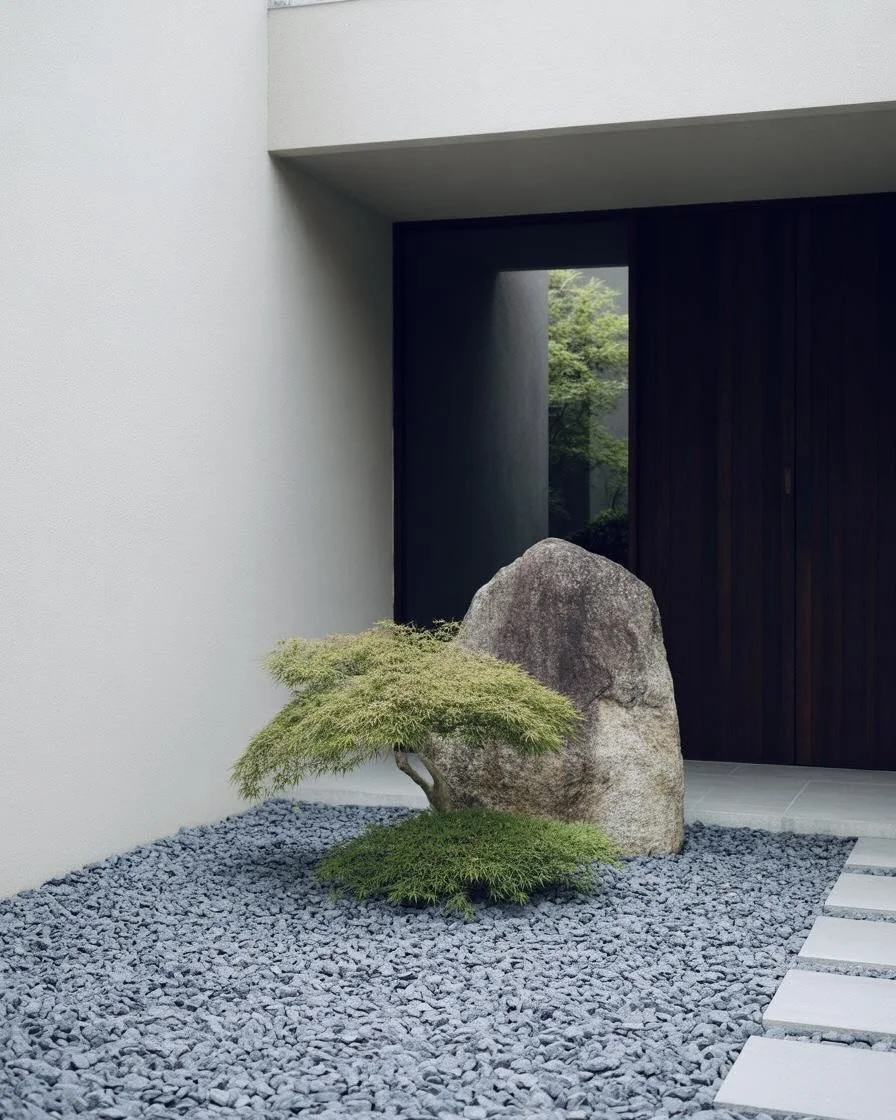
Japandi principles translate beautifully outdoors. Ma, the Japanese art of empty space, reminds us that what you don't include is as important as what you do. One excellent chair in a garden feels more generous than five mediocre ones crowded together.
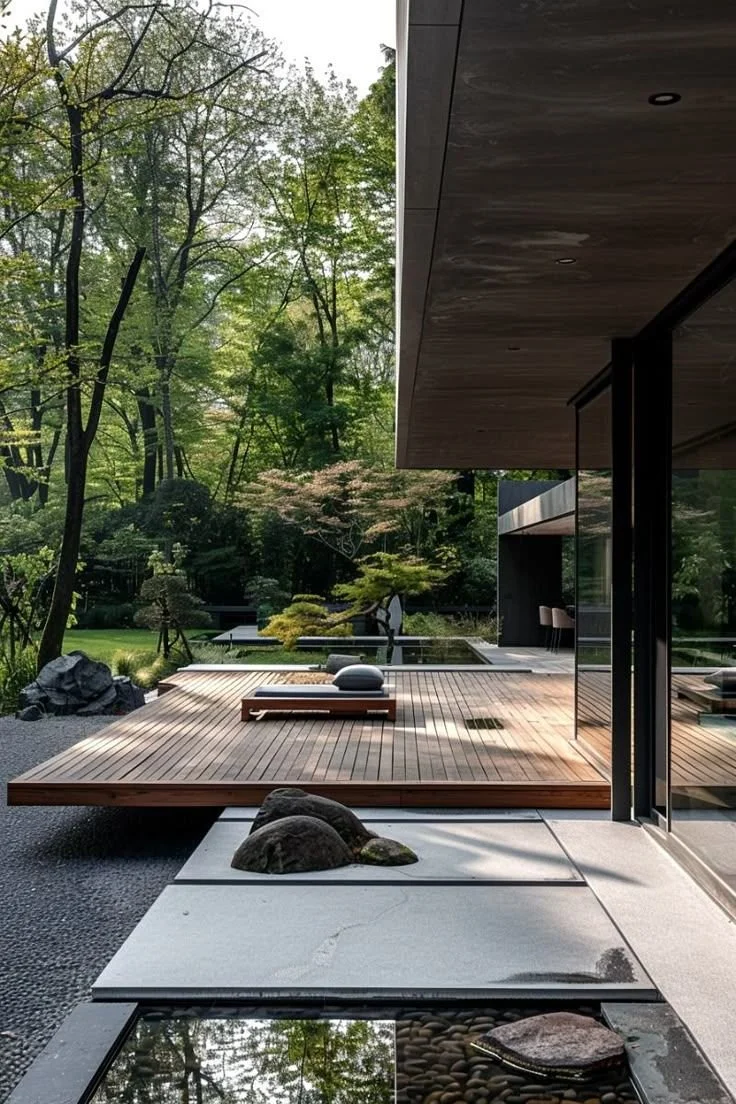
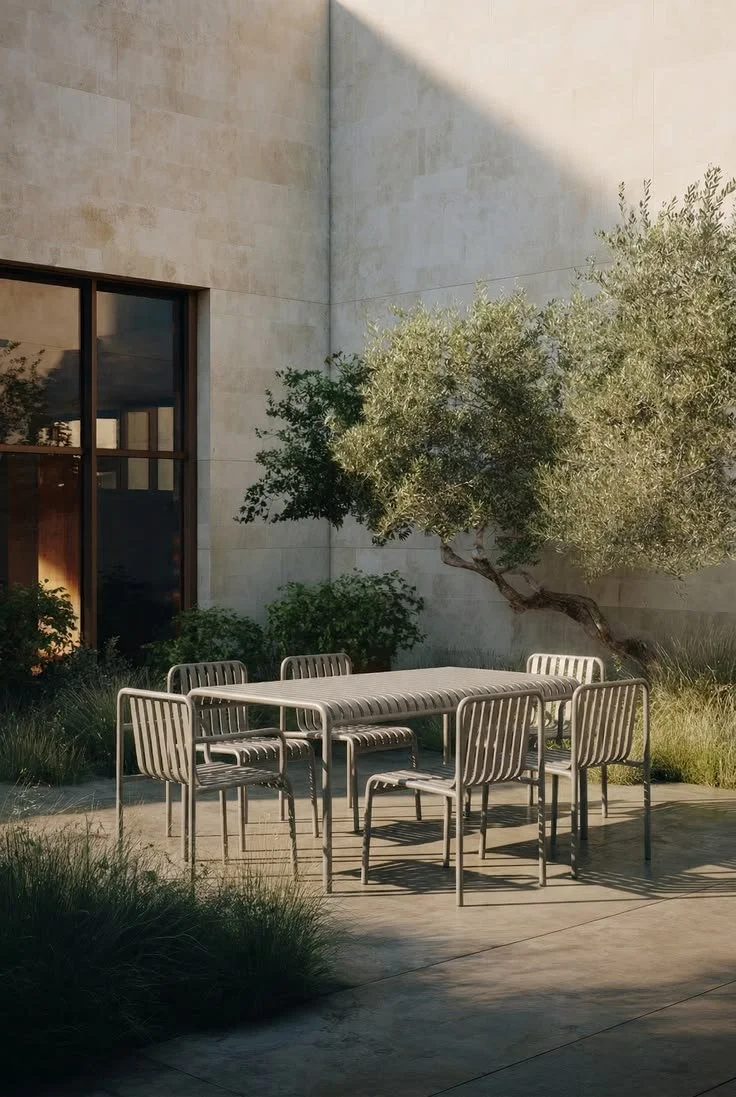
Balance means considering sight lines. Where does your eye naturally rest? How do you want to move through the space? A single bench positioned to face trees or water creates a focal point without clutter. A table and two chairs suggest intimacy without overwhelming.
Intentional spacing means breathing room. It means you can move without navigating obstacles. It means the space doesn't feel like you're shopping in a furniture store.
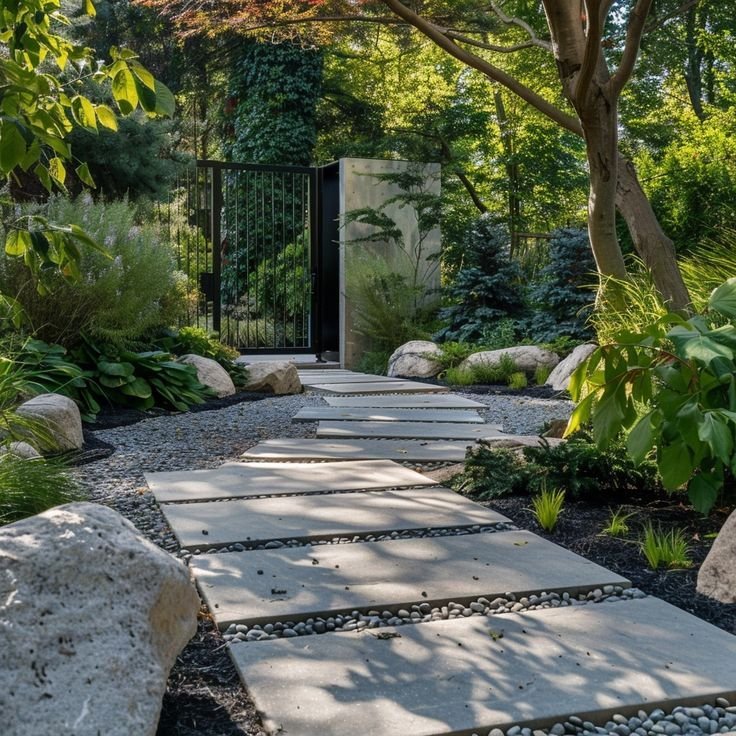
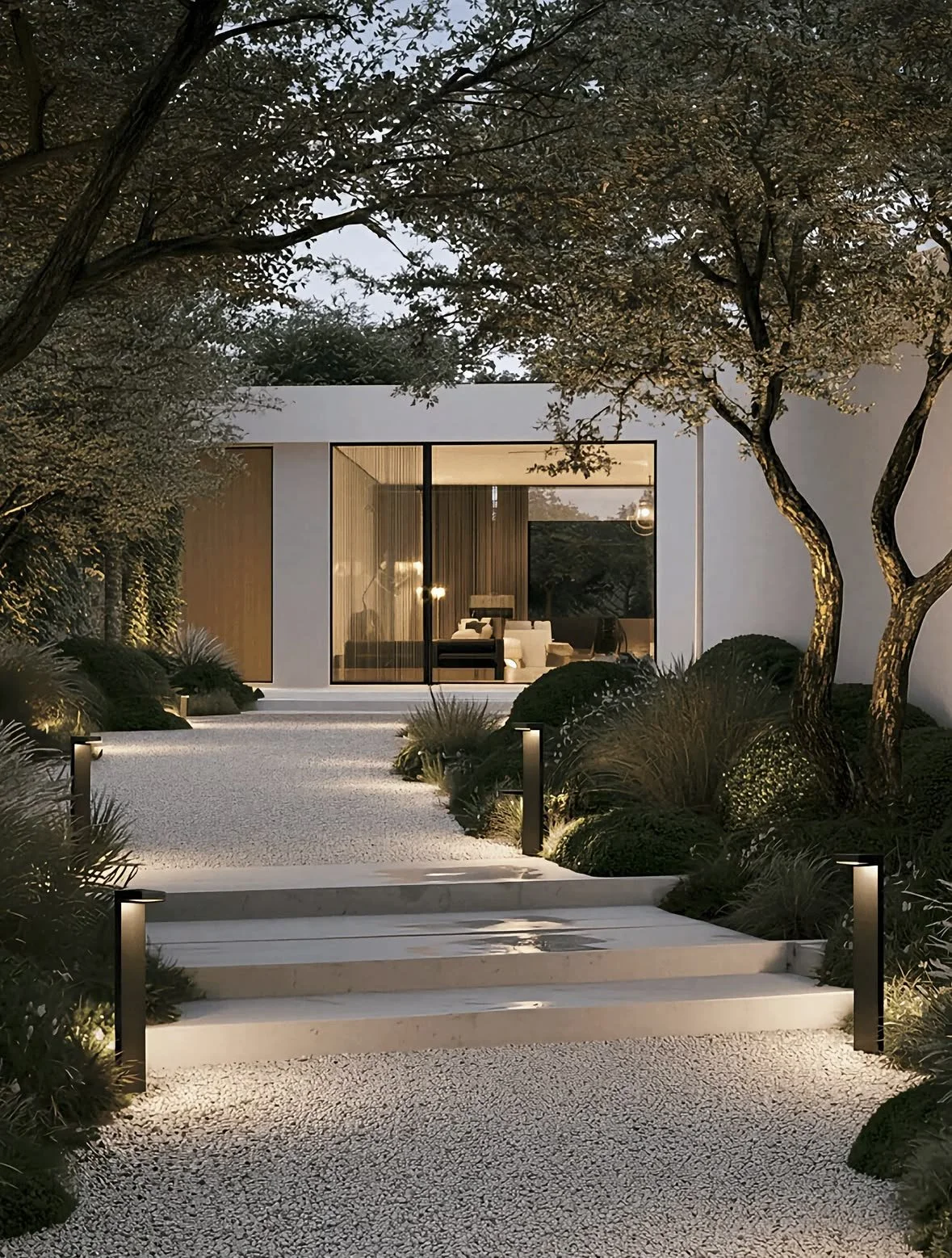
Layers of shade become your walls. A pergola doesn't just provide relief from heat, it defines a room. Trees create privacy and structure. Even plants serve this purpose. In a Scandinavian garden, greenery isn't random. It's placed to frame views, create enclosure and guide you through the space.
When you design a garden this way, something remarkable happens. You don't feel like you're sitting in your backyard. You feel like you're sitting in a carefully considered room, one that happens to be open to the sky.
A Starter's Guide
You don't need much to create a Scandinavian outdoor space. In fact, less is precisely the point.
Start with one excellent chair. Not five average ones. One that you love to sit in. One made from natural materials. One that will age beautifully. A wooden lounge chair, a simple dining chair, a low-slung garden seat. Choose what calls to you, but choose with intention.
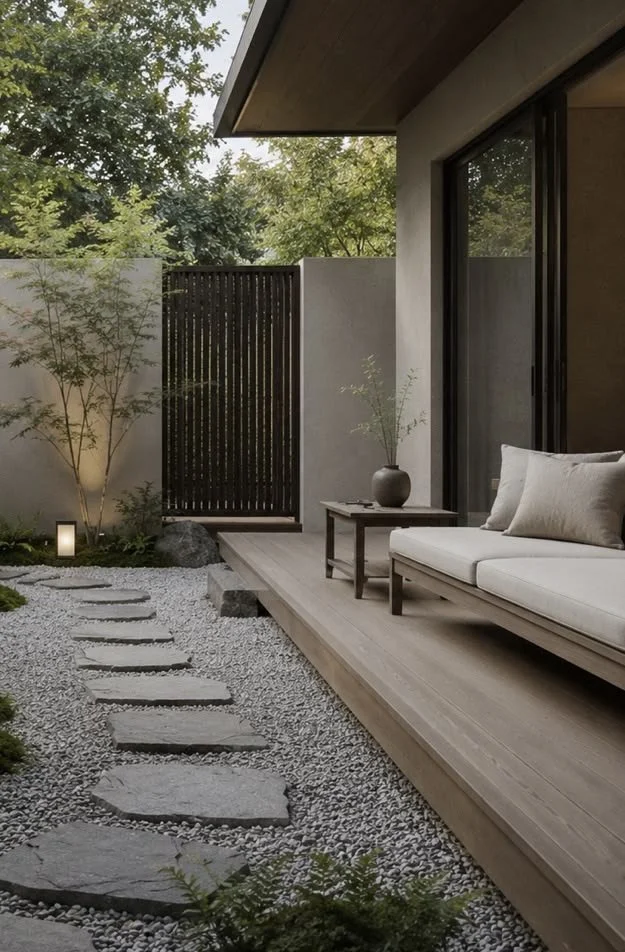
Add a table. Simple. Natural wood. Big enough to hold a book, a glass of water, nothing more.
Perhaps a bench. For observing. For sitting with someone. For creating a secondary gathering point.
Colours: whites, soft greys, natural wood tones, black for contrast. Let the garden provide the colour through plants and changing light.
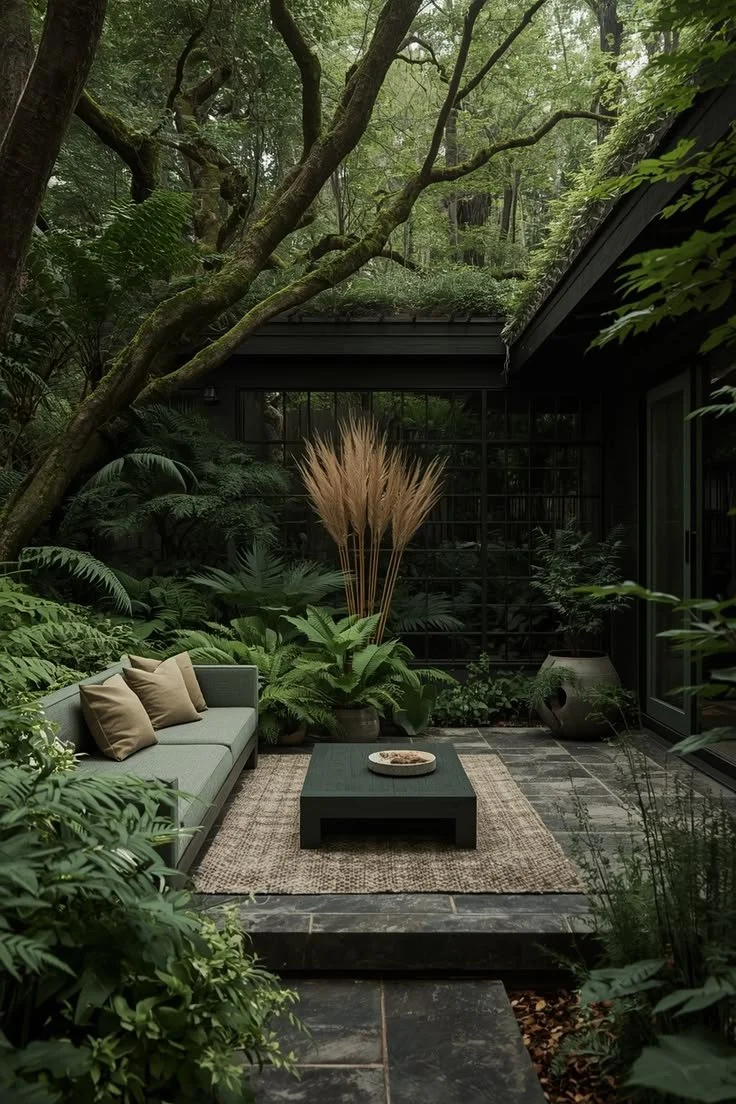
Plants as design elements, not clutter. A few potted plants placed with purpose. Climbing vines on a pergola. Hedging that frames rather than fills. In Scandinavian design, even greenery is edited.
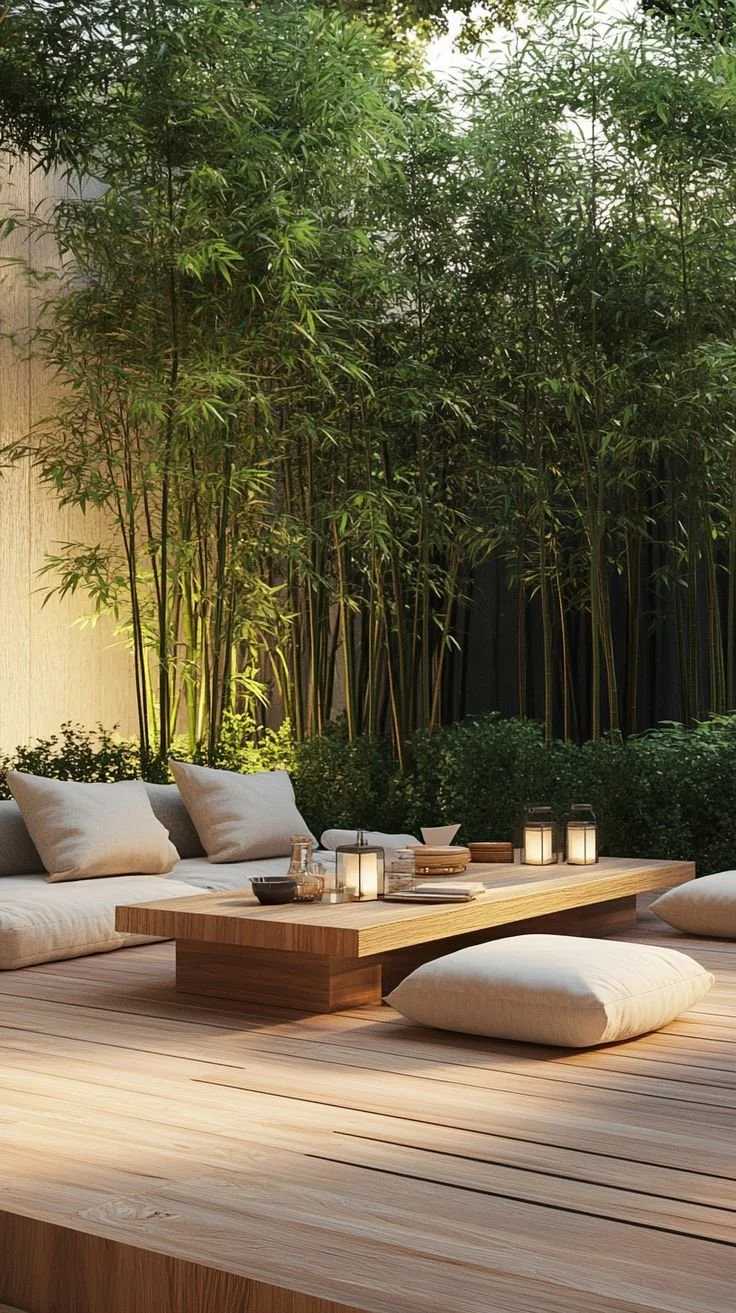
Lighting: as evening falls, bring the warmth inside out. Candles in glass lanterns. Simple string lights. Candlelight is an extension of hygge, that Danish sense of warmth and presence. It transforms your garden into an intimate space as the sun sets.
The Gift of Summer Stillness
Return to the opening image. You're sitting outside. The chair beneath you is solid, honest. The space around you is clear. There's nothing demanding. Only presence.
This is what a Scandinavian garden offers during a heatwave. Not escape from the season, but a way to be in it. To notice it. To let it slow you down rather than stress you out.
When you design with intention, choosing materials that breathe, arranging furniture that creates calm, editing out excess, you're not creating a showpiece. You're creating an invitation. An invitation to sit. To notice. To be still.
The heat becomes part of something larger. Part of a season. Part of a rhythm. Part of the reason to slow down, to settle into a chair, to watch light move across wood, to remember that some of life's most precious moments are the ones where nothing is happening except presence.
Closing Reflection
When you sit in a Scandinavian garden, you're not fighting the season. You're designed for it. You're present in it. And in that presence, the simplicity of the space, the honest materials, the uncluttered arrangement, the clarity of every choice, becomes a mirror.
It reflects back to you what matters. Not trends. Not excess. Not the pressure to have more. But this: a chair that holds you. Space that breathes. Time to notice. Time to be.
This summer, as temperatures rise, consider what your garden is asking you. Is it demanding? Or is it inviting? Does it add to the noise, or does it offer stillness?
The Scandinavian approach suggests an answer. It asks you to choose. To edit. To design for the life you actually want to live. And then, to sit down and live it.
In the quiet. In the heat. In the presence of what you've chosen.