3 Days of Design in Copenhagen
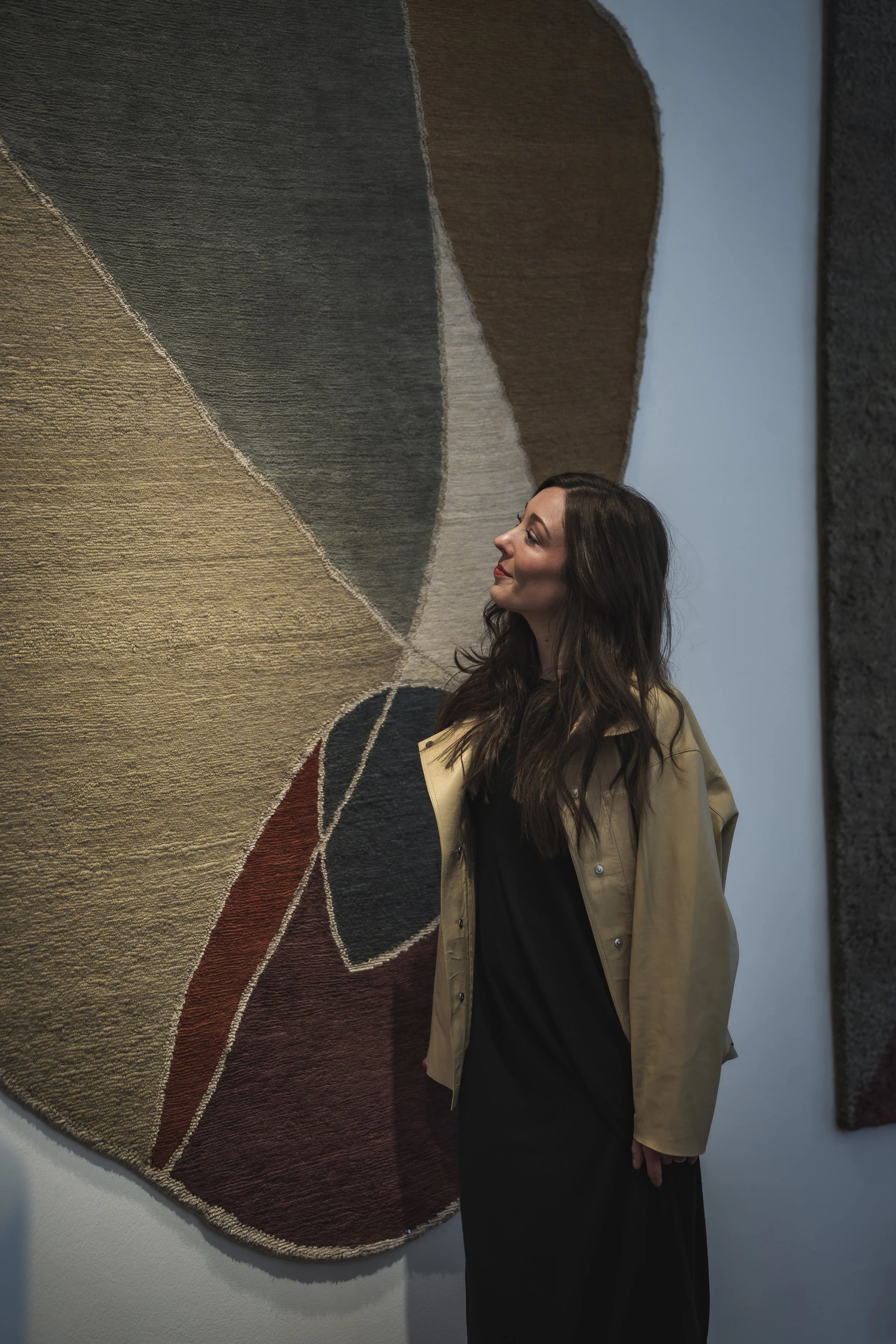
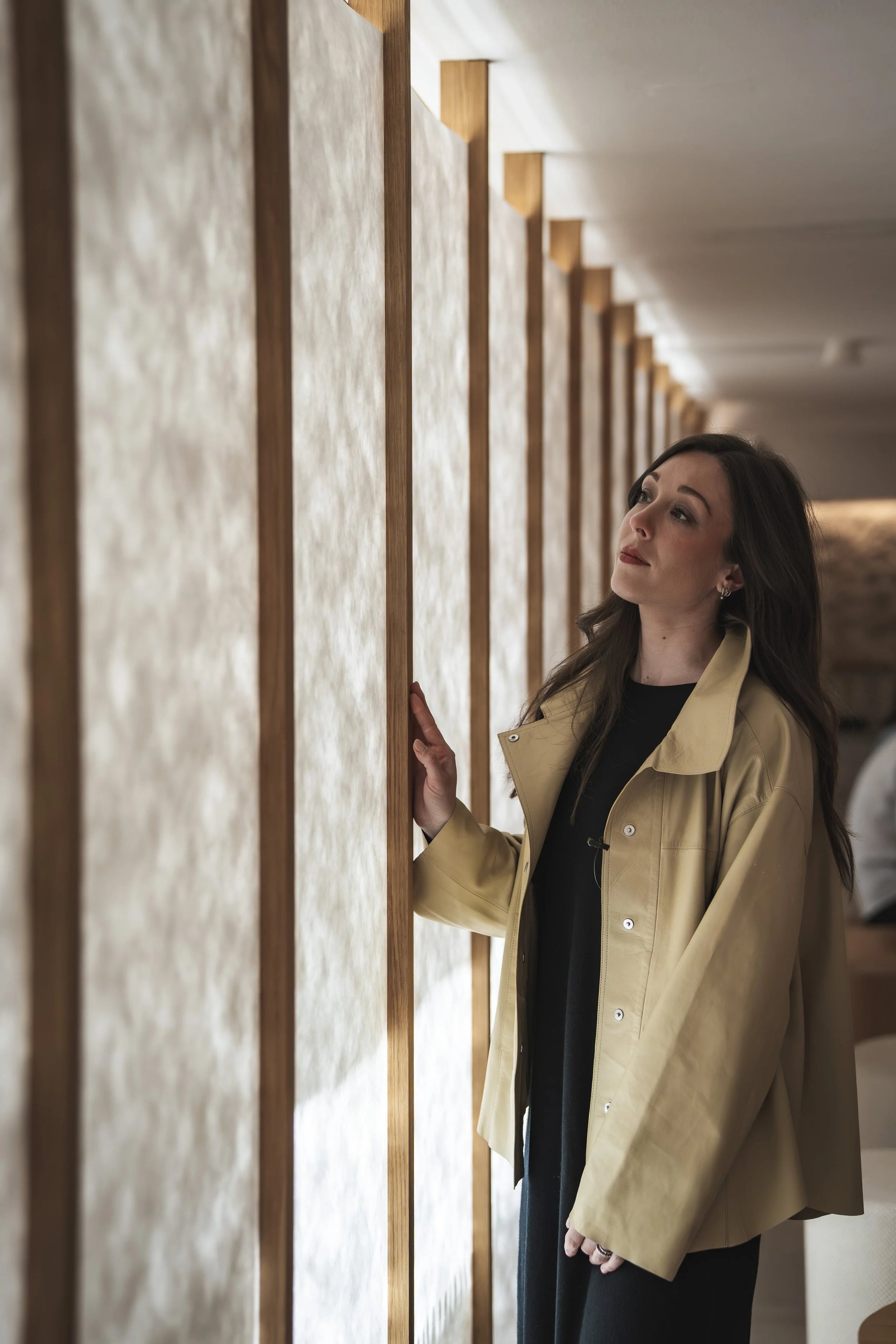
There is a particular kind of magic that happens when a city quietly becomes a gallery. During 3 Days of Design, Copenhagen does not simply display furniture, lighting, objects, and interiors. It opens a door into a way of living. A way of choosing more carefully. A way of paying attention to materials, to craftsmanship, to silence, to proportion and to the small rituals that shape our everyday lives.
I arrived with a carefully planned list of studios to visit. I left with something far less organised, but much more meaningful: a feeling. A renewed connection to design that is restrained, honest, deeply crafted, and quietly emotional.
As the founder of Lou Joia, I am always drawn to objects that hold presence. Pieces that are not loud, but stay with you. Copenhagen reminded me why this matters.
The Journey Unfolds
Walking into &Tradition, I immediately understood why this event has become so important. The studio was not simply presenting new collections. It felt more like a reflection on what tradition means today.
There was a reverence for process, for the thinking behind each object, for the delicate balance between memory and evolution. Their work reminded me that tradition is not about repeating the past. It is about understanding why something has endured, and then having the courage to let it evolve.
From there, the journey unfolded almost like chapters in a story about Scandinavian design.
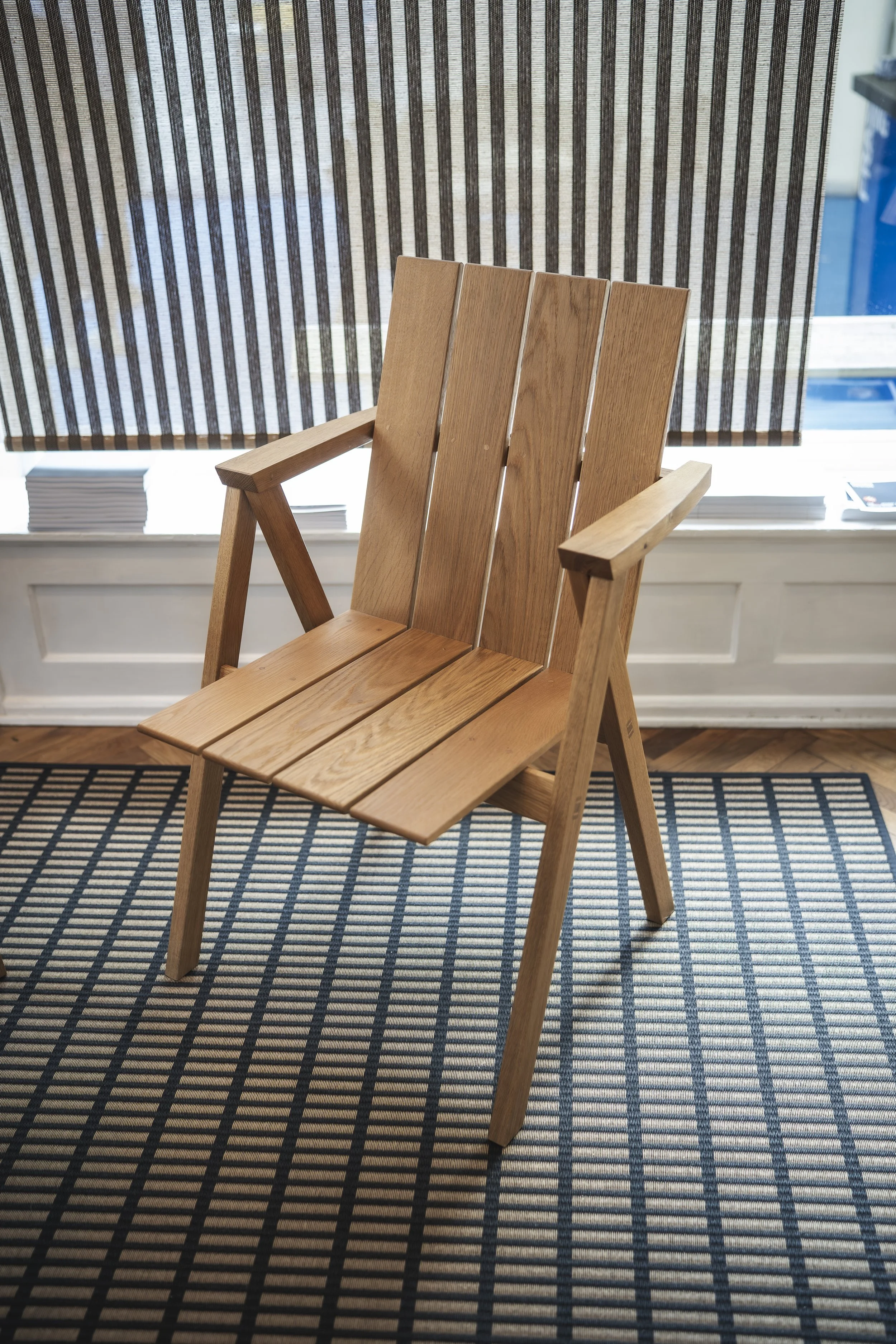
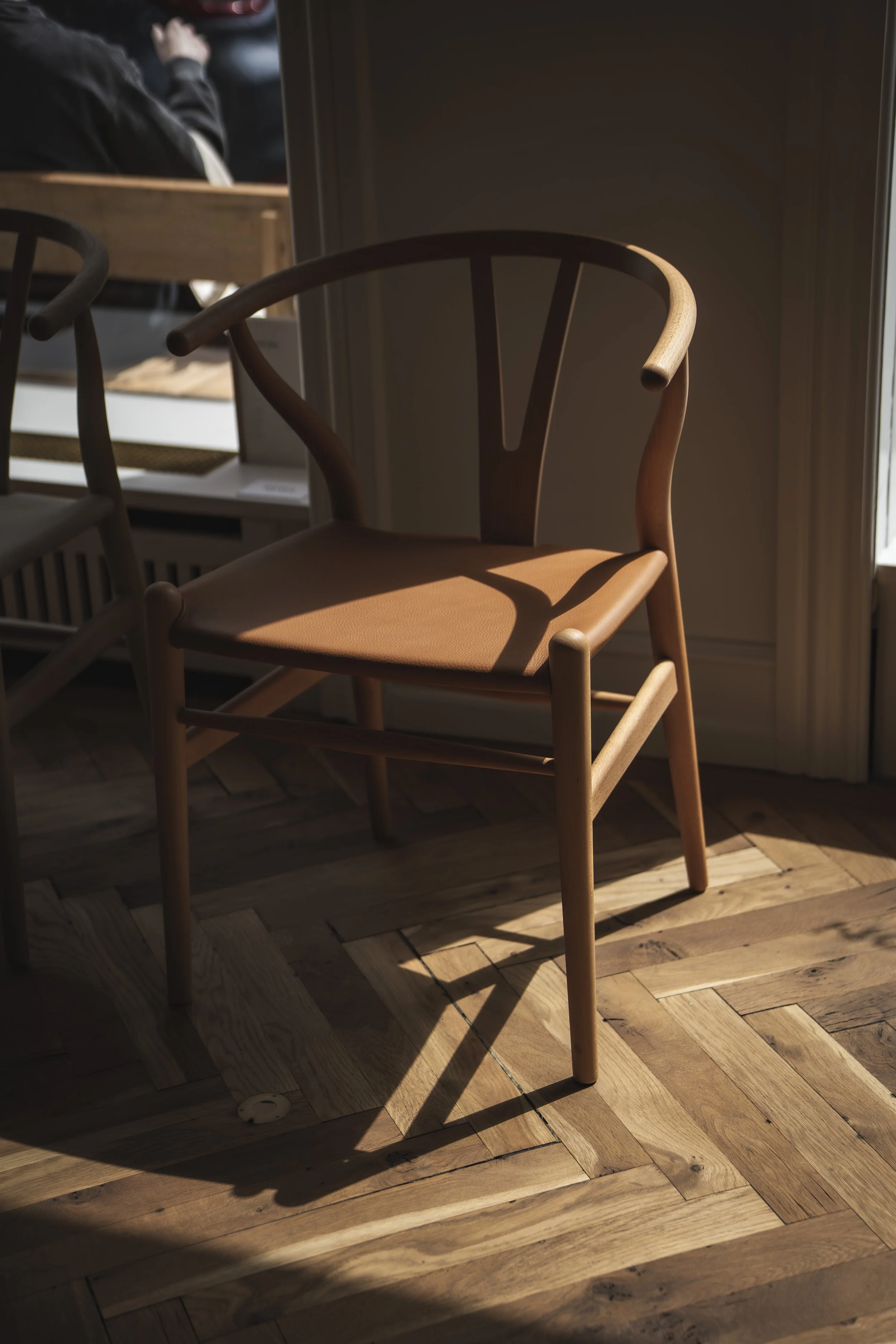
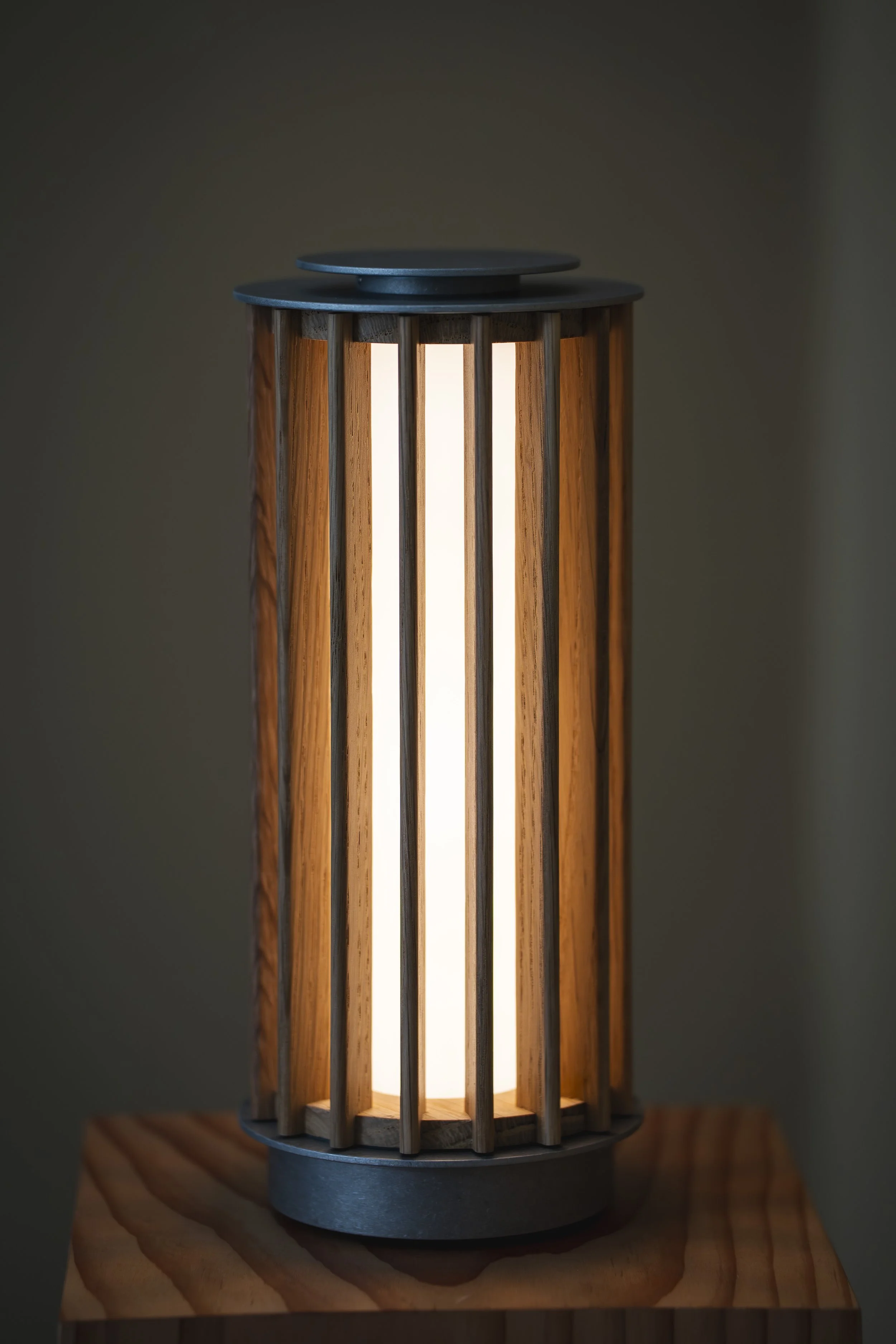
At Woud, the mood softened. There was warmth in the materials, honesty in the joinery, and a calmness in the proportions. Nothing felt overworked. Nothing was trying too hard. I found myself lingering longer than expected, looking closely at how legs met frames, how negative space gave rhythm to a silhouette, how a simple piece of wood could still feel deeply expressive.
Voices of the Makers
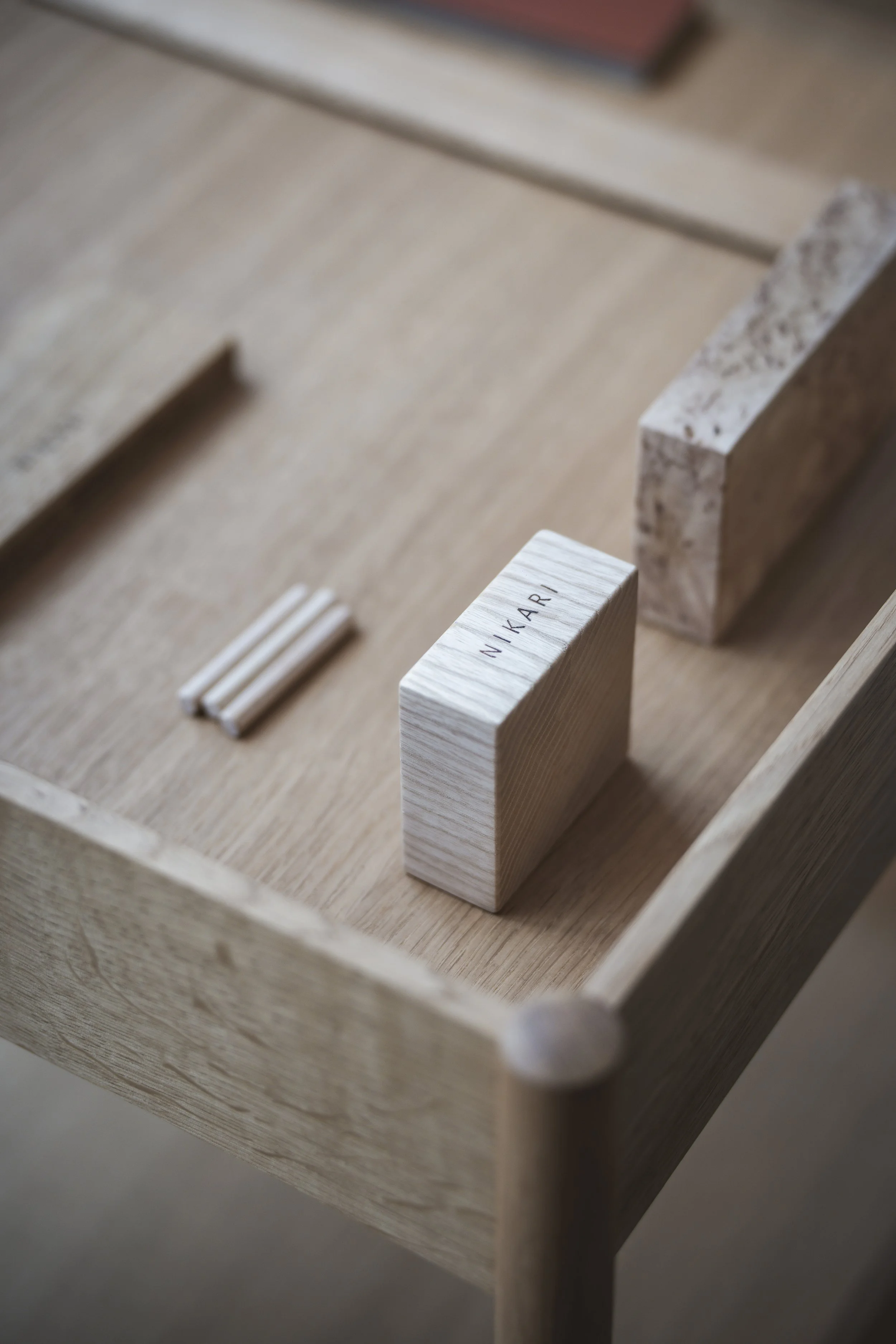
At Nikari, the language shifted slightly. As a Finnish studio, its voice felt distinct, yet completely connected to the same world of discipline and care.
Minimalism here was not about emptiness. It was about precision. Every millimetre had a reason. You could feel the workshop behind the work. The hands, the time, the patience. There was something deeply moving about that.
Audo Copenhagen brought another kind of beauty: intimacy at scale. Their spaces felt considered but never cold. I kept thinking about how difficult it is to create pieces that can live in many homes while still feeling personal. Somehow, Audo does this. Their work feels designed for real people, for real rooms, for real life.
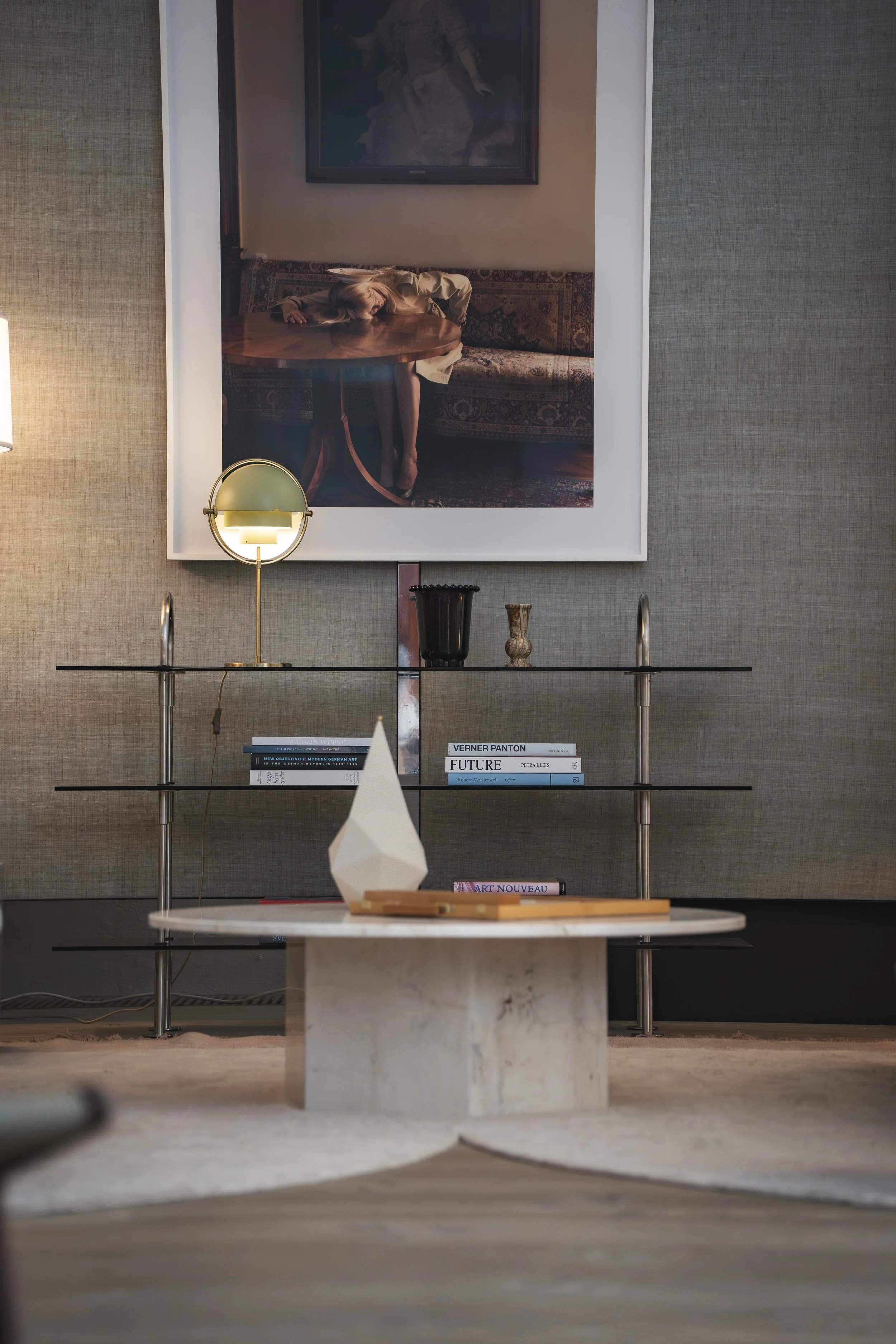
Gubi, on the other hand, brought playfulness and confidence. Bolder forms, unexpected colours, materials that should not necessarily work together but somehow absolutely do. Their presence felt joyful. A reminder that serious design does not have to be severe. It can be rigorous and still make you smile.
The Masters Still Teaching
Walking into Carl Hansen & Søn felt almost emotional.
There is something powerful about being in the presence of a house that carries so much history, yet still feels alive. The craftsmanship is not treated as something nostalgic. It is active. Present. Practised every day.
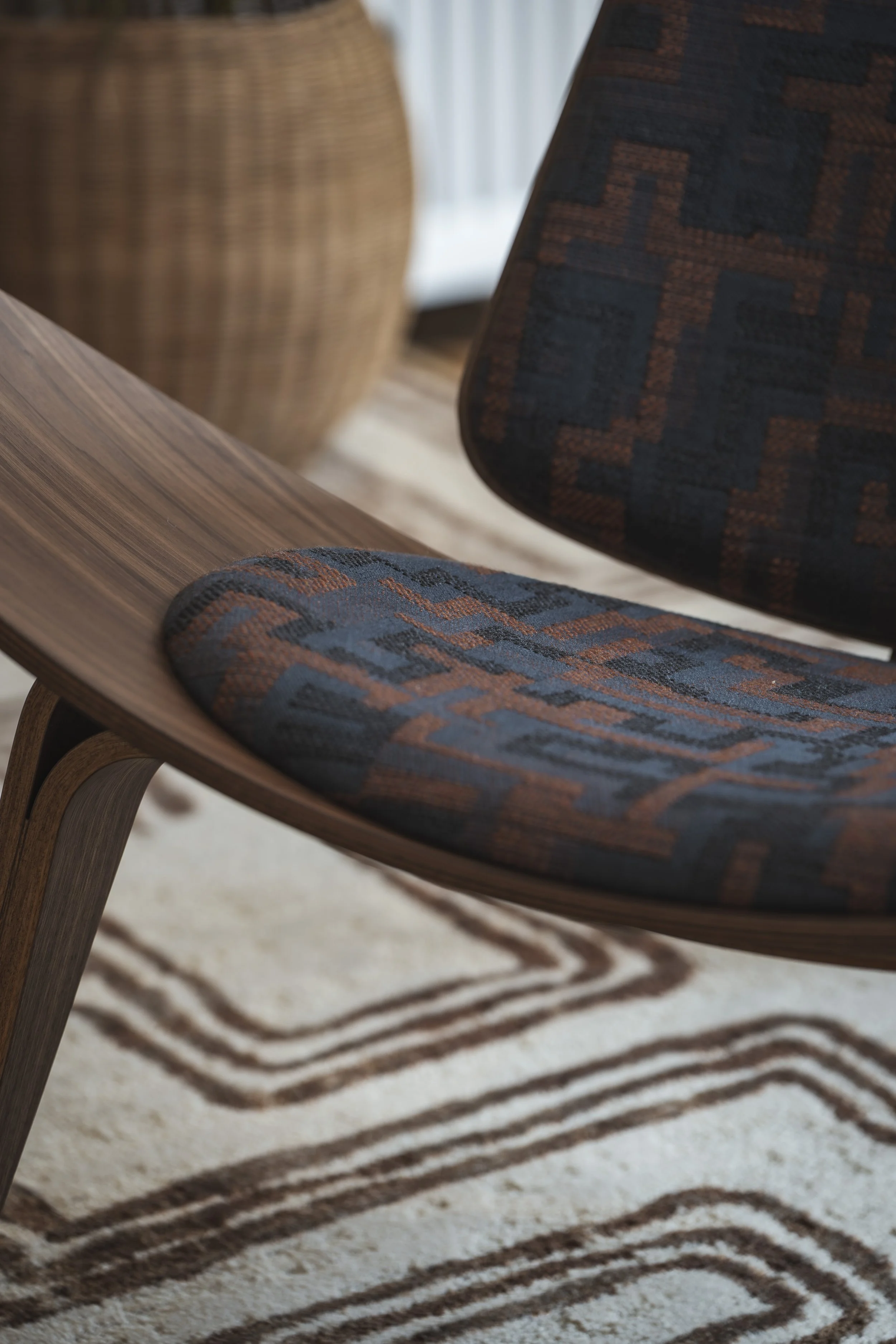
Of course, I was moved by the Hans Wegner pieces. How could one not be? But I was also deeply touched by the newer work. It showed me that a legacy studio does not have to live only through its icons. It can continue to ask questions. It can keep moving.
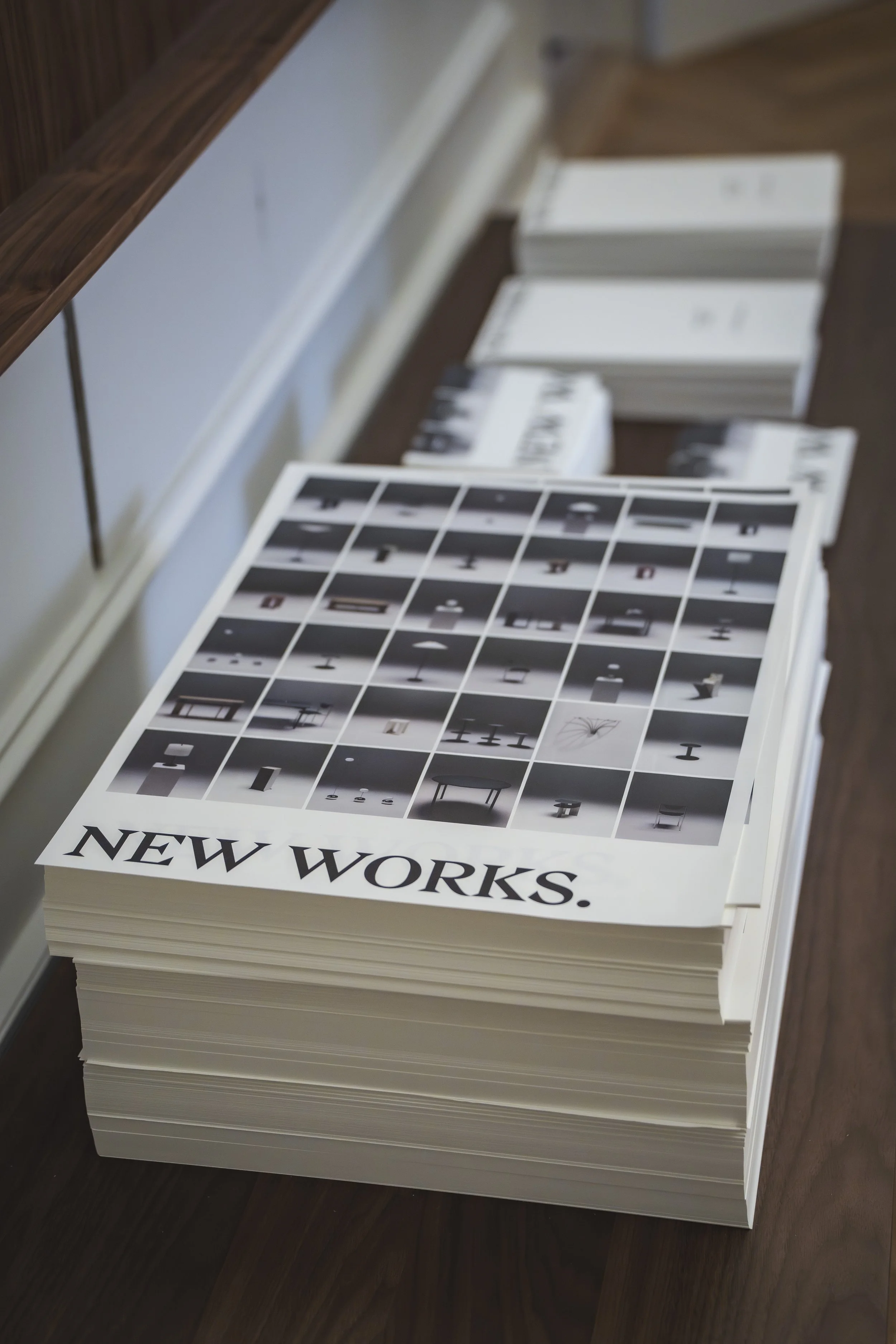
Linie Design and New Works occupied a similar space for me. Both felt confident enough to honour Scandinavian design principles while still creating something of their own. There is a quiet assurance in that kind of work. No need to shout. No need to break every rule just to prove a point.
The New Voices
Brandt brought an intimacy that felt almost residential. Their pieces were easy to imagine in a home immediately, which is much harder to achieve than it sounds. The most effortless work is often the result of years of refinement.
Astrid, Norr11, 101 Copenhagen, and Hay House each brought their own rhythm to the experience.
Astrid felt handmade in the best possible way: not precious, but personal. Norr11 showed that Scandinavian design can be sculptural without becoming self-conscious. 101 Copenhagen had that exciting energy of a studio still pushing, still refining, still defining its voice. Hay House offered a more editorial lens, mixing colour, utility, and curation with its usual sense of ease.
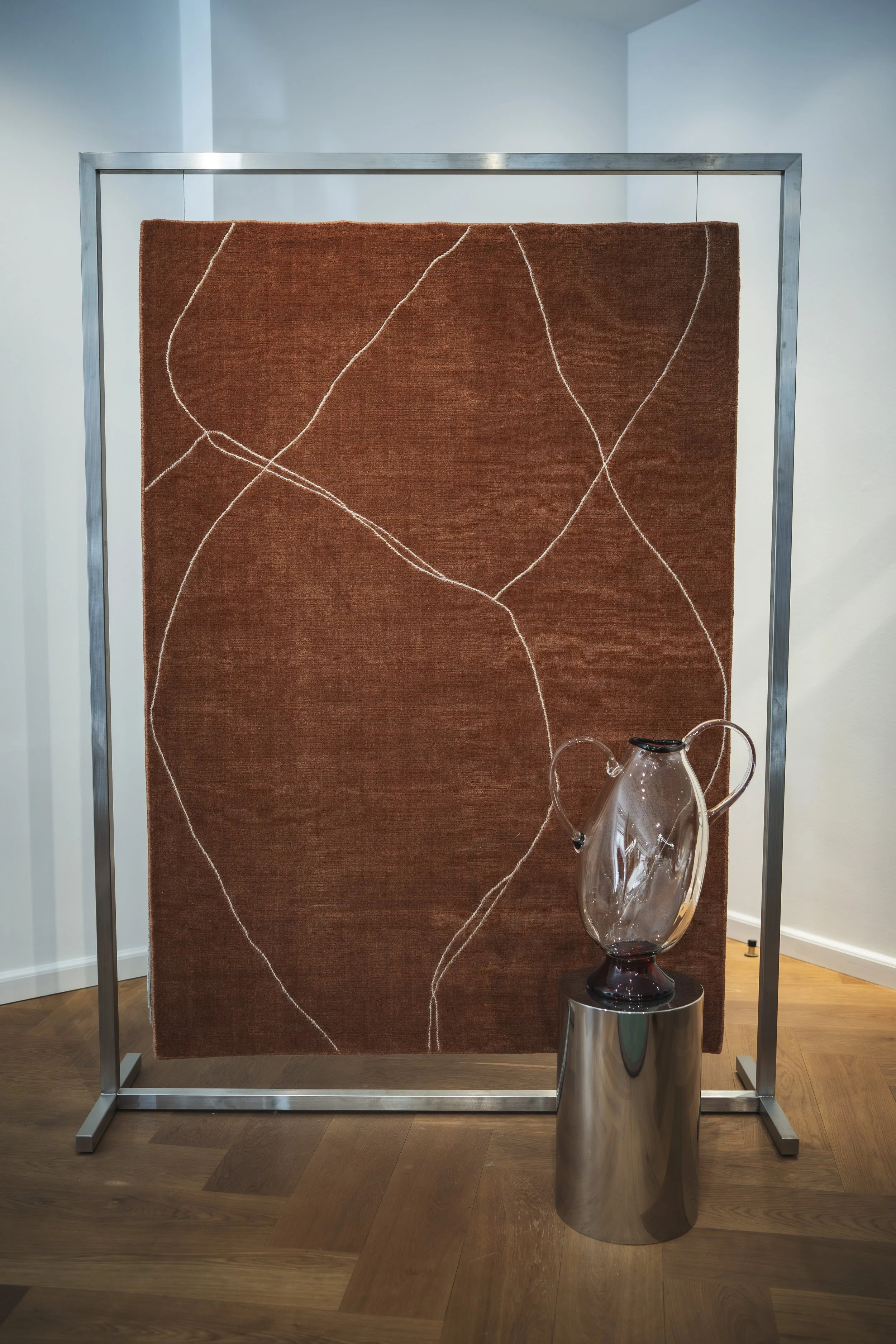
And Louise Roe stayed with me in a different way. There is something very special about a studio that understands colour, light, and the psychology of space all at once. Her work feels thoughtful, but also warm. Considered, but never distant.
What I Realized
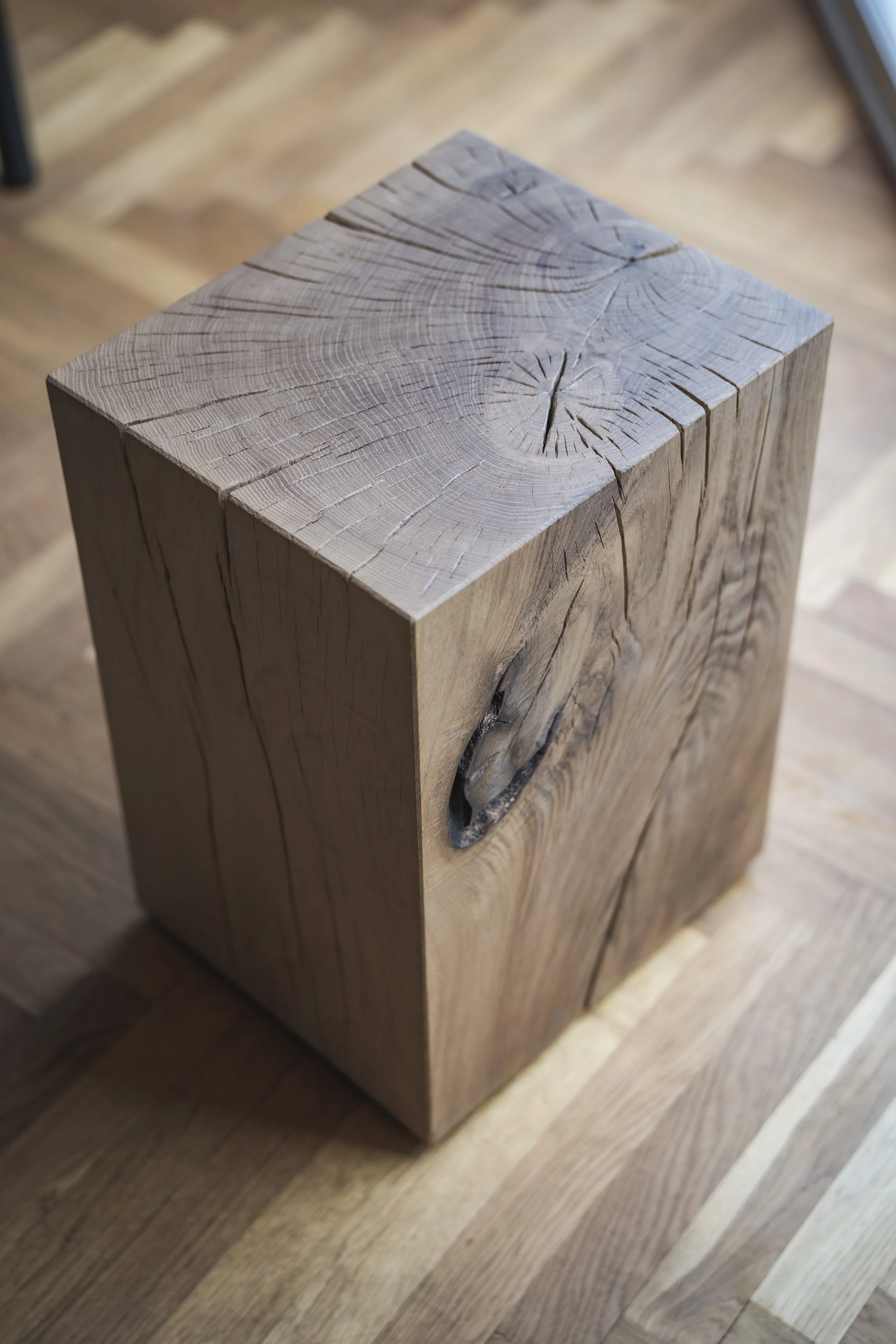
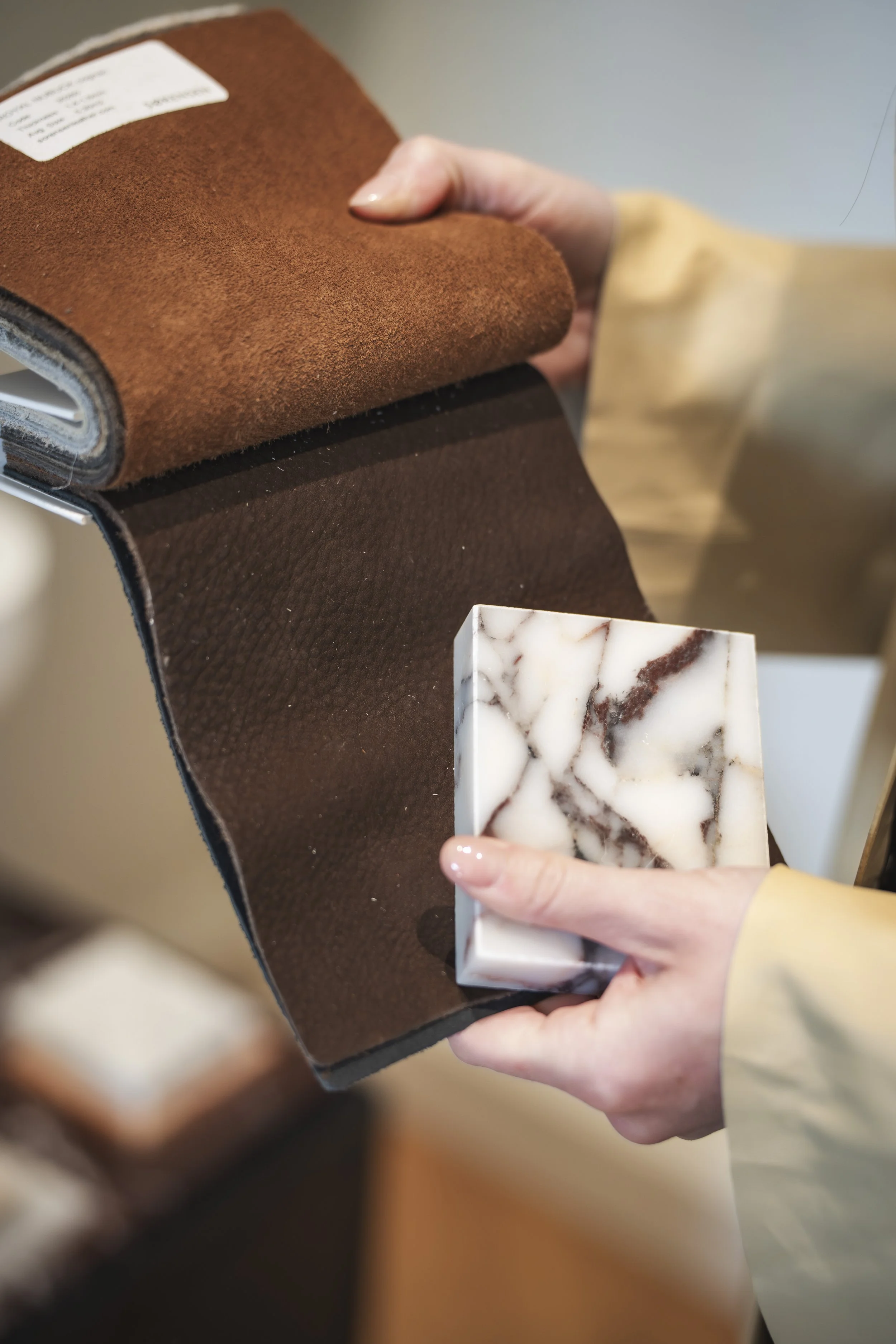
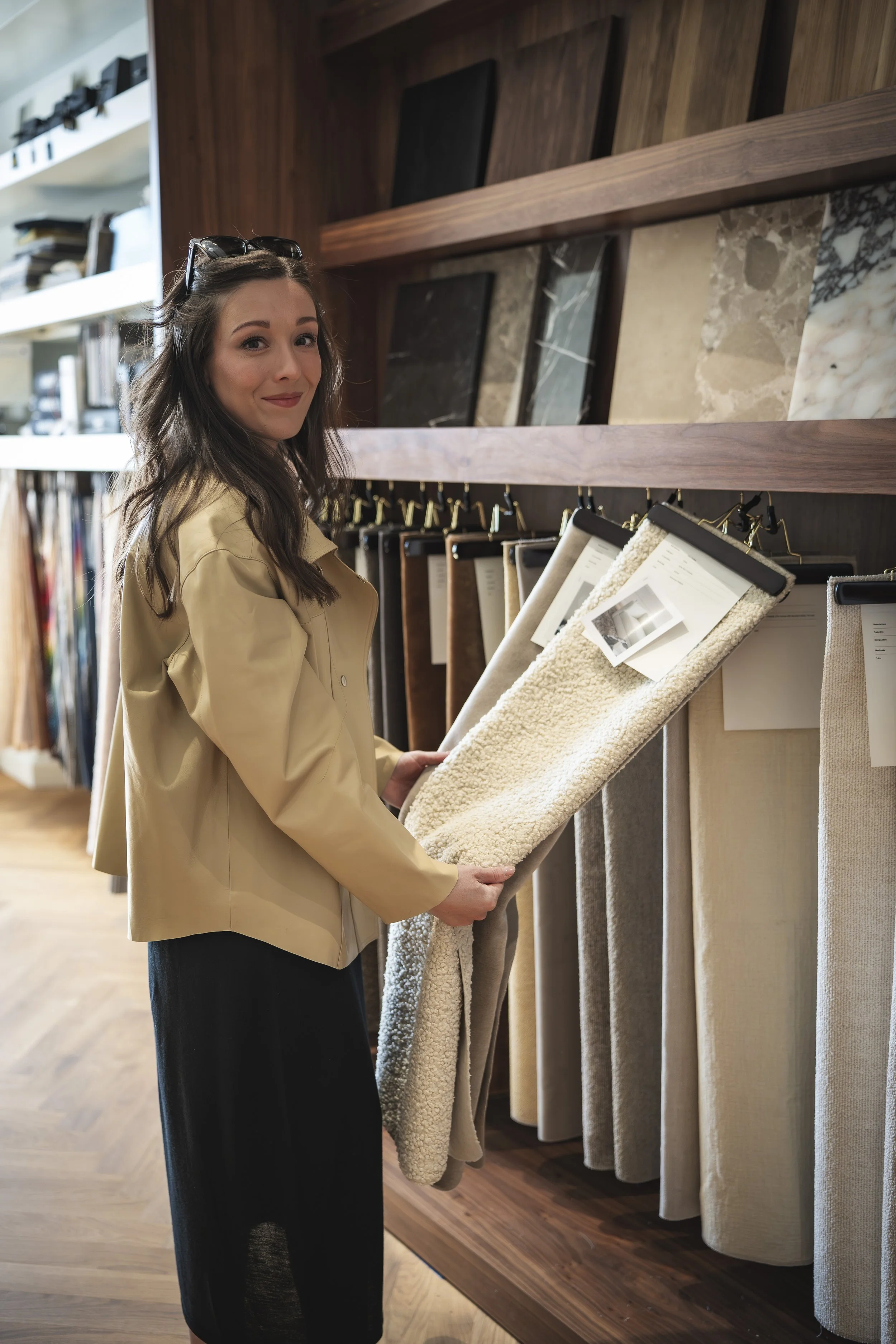
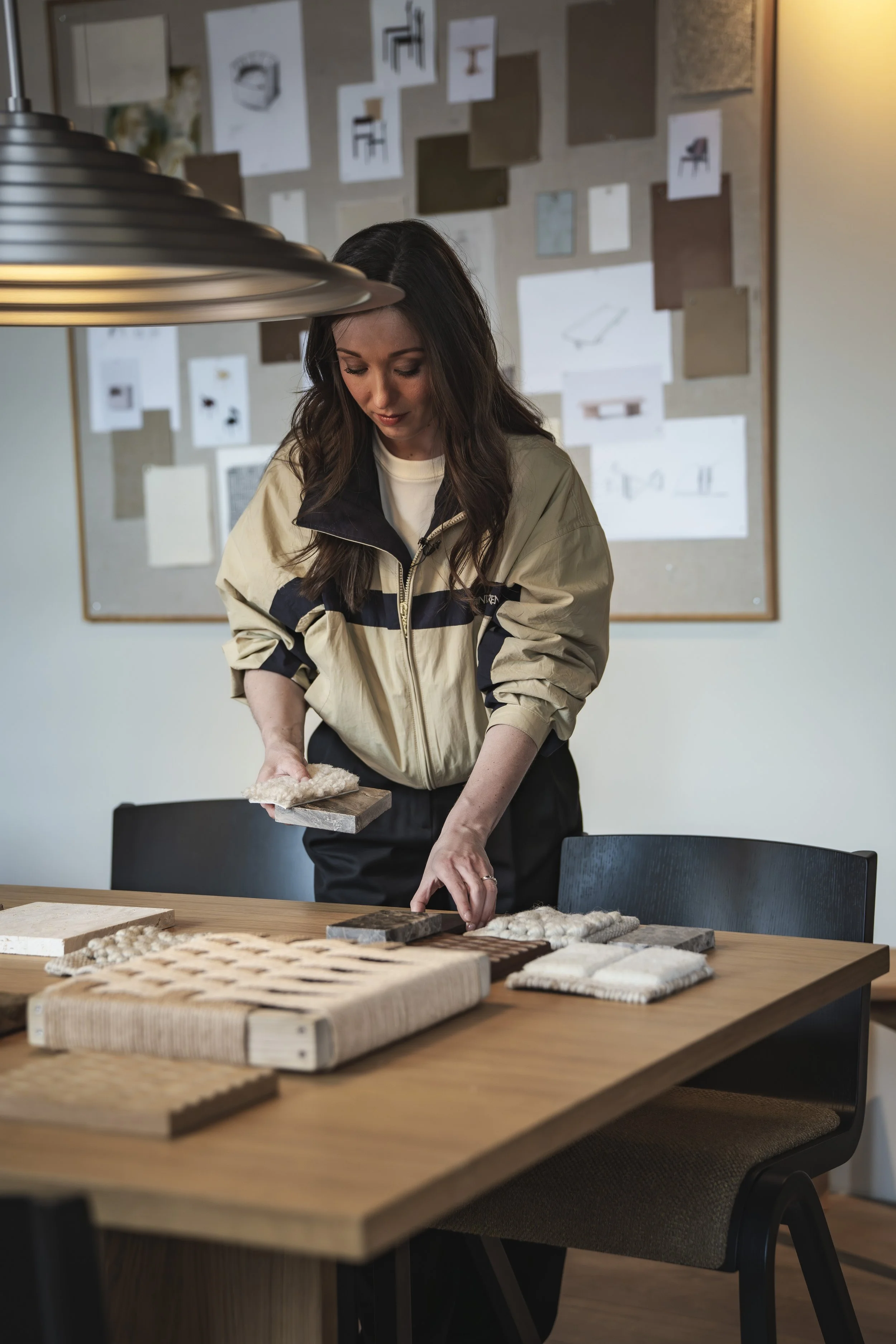
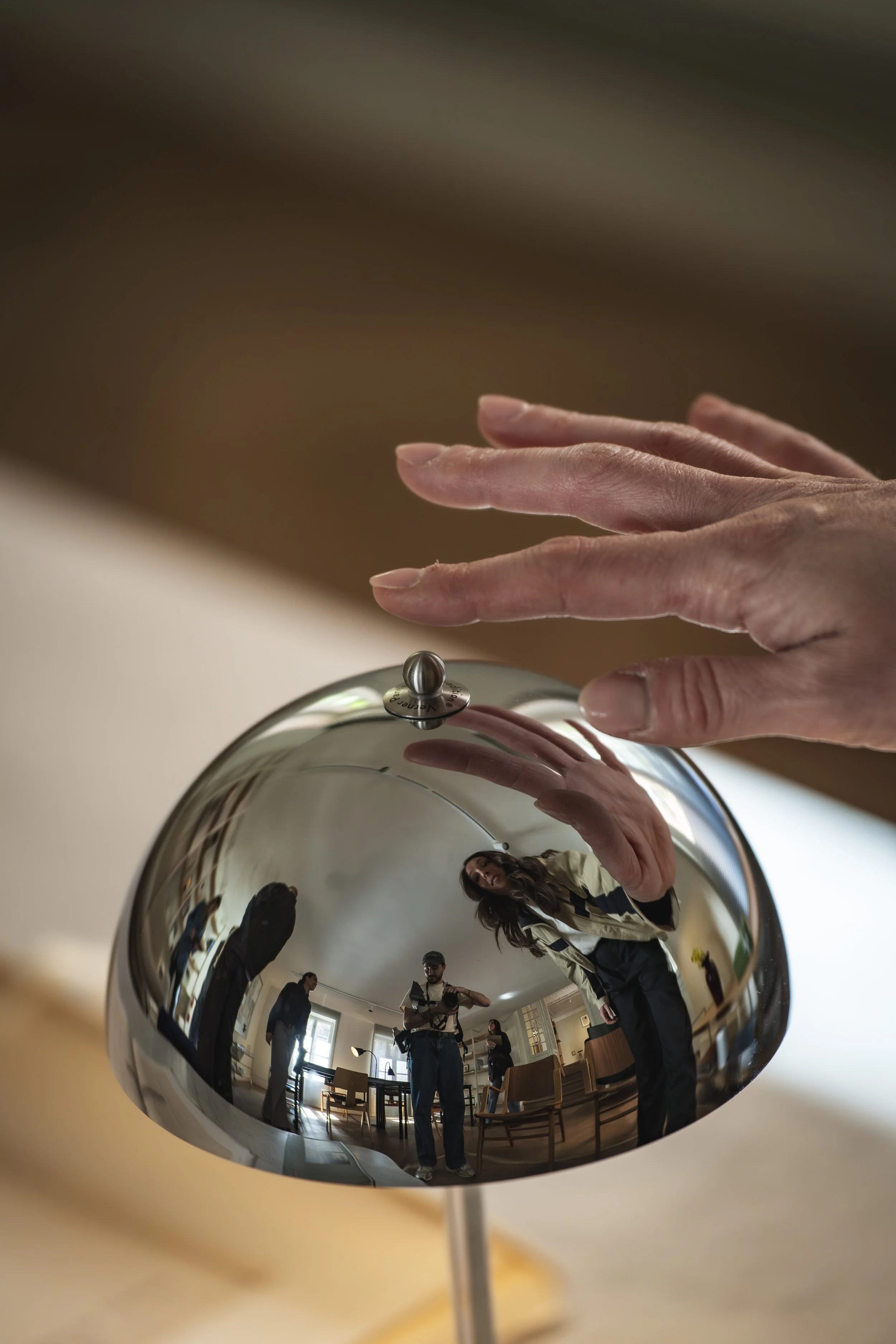
One of the most unexpected gifts of this trip was having Eddie, my photographer, there with me. He captured the details: the joints, the textures, the way the light touched a surface, the quiet gestures I might have missed if I had been trying to document everything myself. And because he was there, I could be fully present.
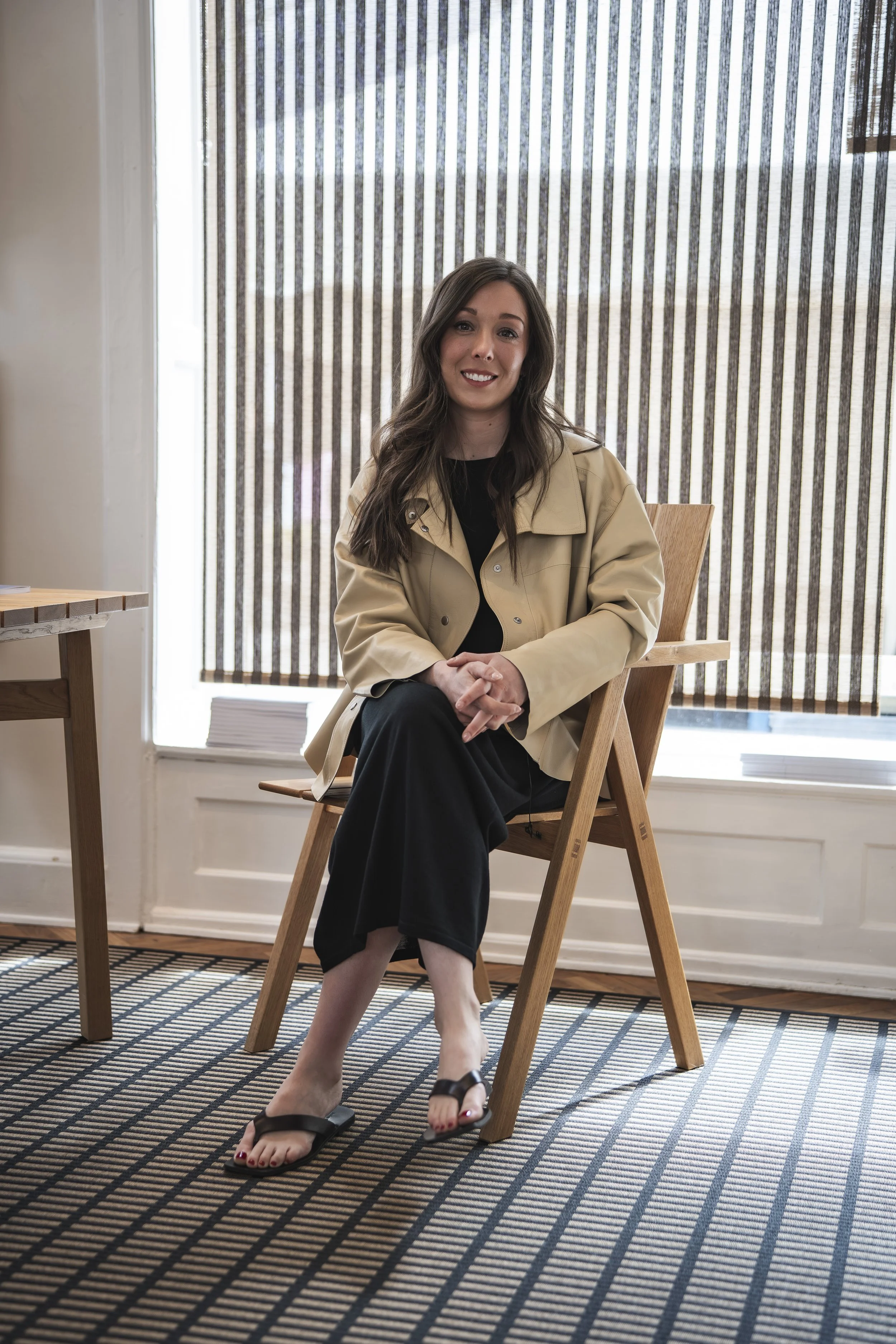
I could sit in a chair for ten minutes without wondering whether I had photographed it properly. I could run my hands across wood without searching for the perfect angle. I could speak with founders, designers, and makers without mentally composing captions in my head.
By the second day, I realised that this is how design is meant to be experienced.
Not only as an image.
Not only as content.
But as a relationship.
You touch it. You live with it. You return to it. You understand it slowly.
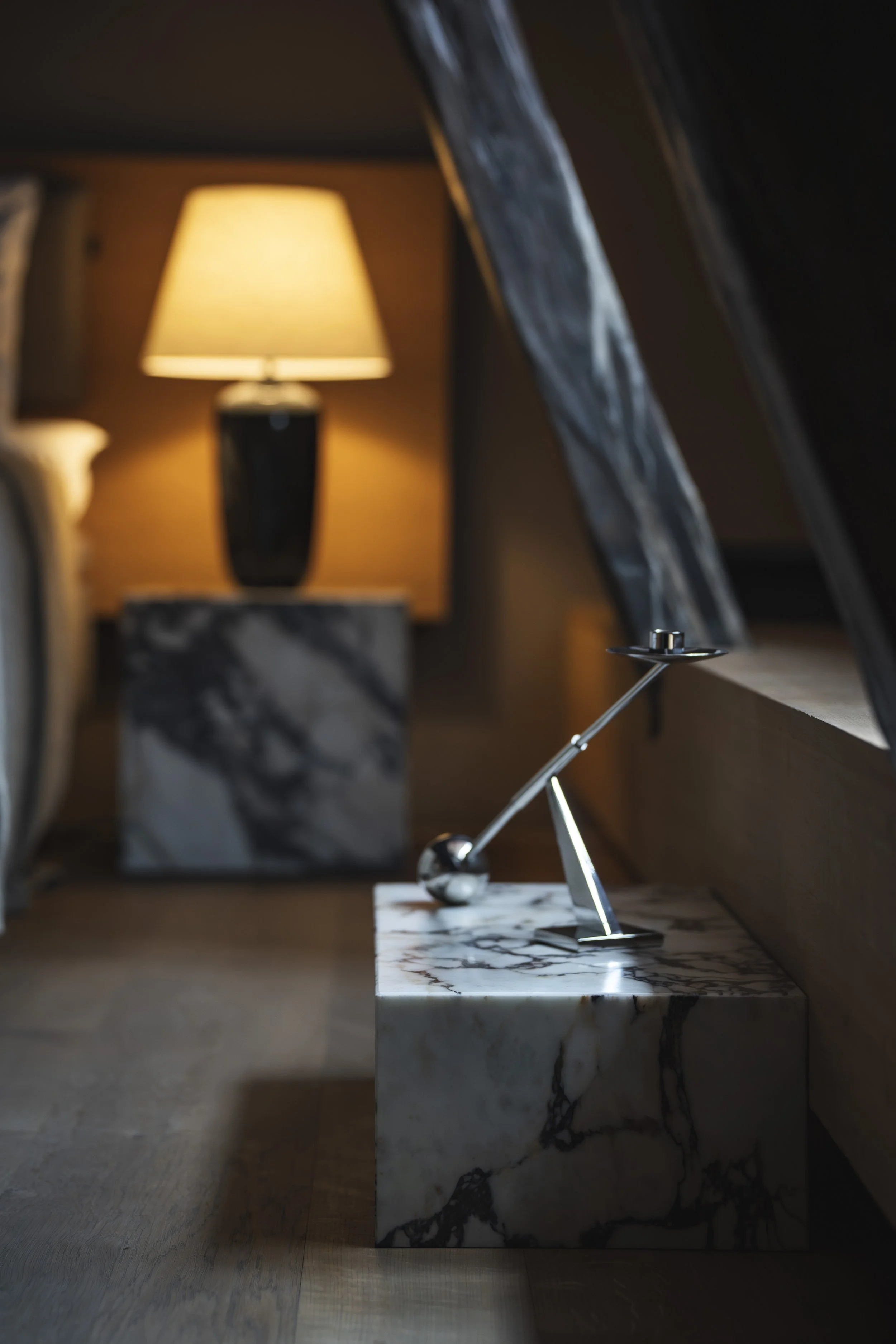
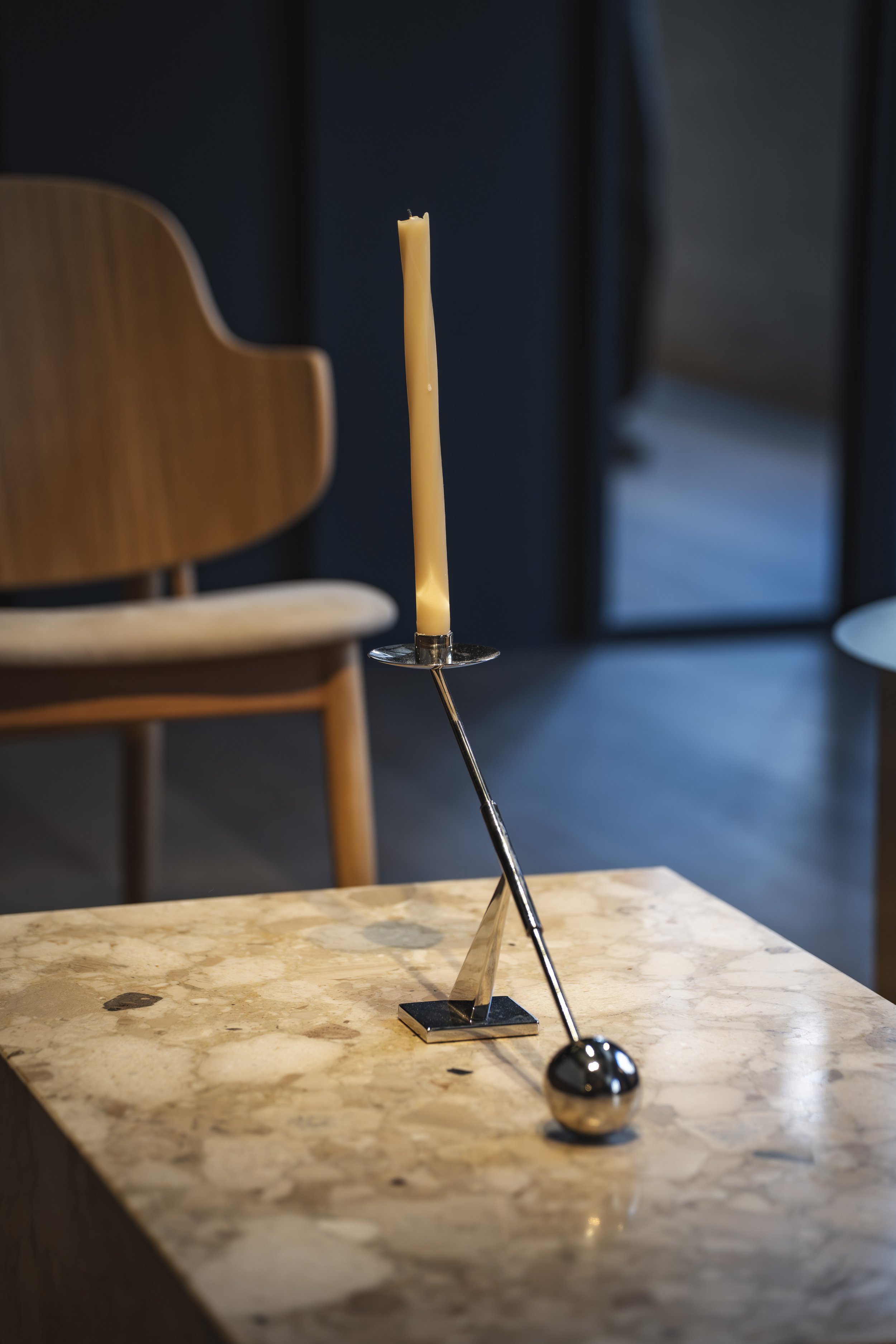
That thought stayed with me, especially because it connects so deeply to what I am building with Lou Joia. A marble candle is not just an object. It is something you place in your home, light in a quiet moment, return to at the end of a day. It becomes part of a ritual. Part of the atmosphere of a room. Part of how you feel in your own space.
In Copenhagen, I felt that same respect for objects that are meant to stay.
Each studio had its own voice, yet there was a shared language running through the city: restraint, material honesty, proportion, durability, care. Within that shared language, there was infinite variation. That is what made it so inspiring.
Great design traditions do not limit creativity. They give it depth.
The Feeling
I left Copenhagen with sketchbooks full of angles, proportions, materials, and ideas. But more than that, I left with a renewed sense of why this work matters.
In a world increasingly comfortable with speed, disposability, and trends, these makers are choosing something slower. They are choosing value, permanence, and intention. They are asking what it means to live with objects that have been properly considered.
3 Days of Design is not about wanting more things. It is about witnessing the care behind them.
It is about standing in front of work that took time, patience, and real craft, and feeling something in you become quieter, sharper, more attentive.
And the best part is that this feeling is not confined to those three days. It lives in the studios, in the workshops, in the city, and in the daily choices of designers who believe that how we live matters. And therefore, what we live with matters too.
Copenhagen reminds you of this gently.