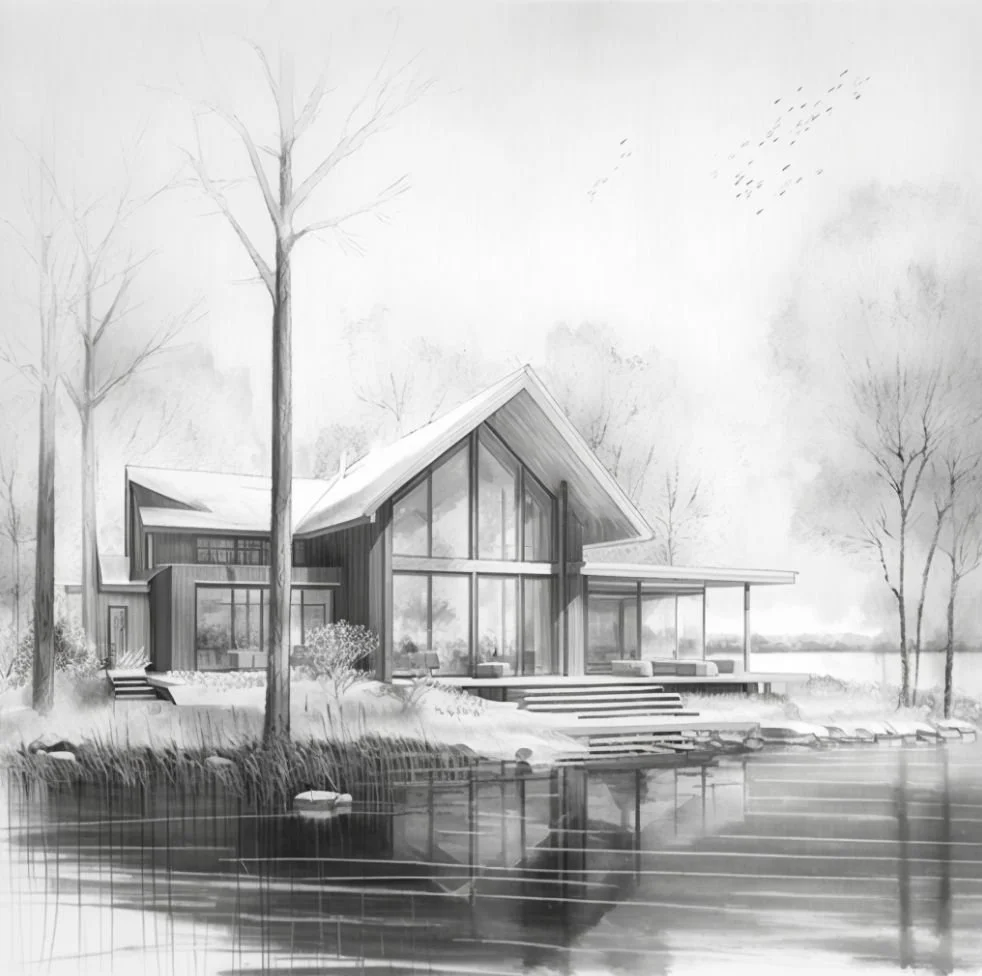
The Future of Interior Design Is Still Human
Artificial intelligence is transforming the creative industries at remarkable speed. Interior design is no exception. Today, concepts can be generated in seconds, layouts explored instantly and photorealistic visuals created with remarkable ease.
I grew up in Silicon Valley with a father who was an engineer before becoming Chief Technology Officer for one of the world's largest technology companies. I held one of the first computers as a child. I watched the internet evolve from curiosity to necessity. Later, I spent fourteen years building my own career in the technology industry.
Technology has never been something I have had to learn to embrace. It has always been woven into who I am.
I understand its potential because I have lived through multiple waves of innovation. I have seen how technology can transform industries, create opportunities and change the way we work.
So when I say that the future of interior design still belongs to human hands and human conversations, I say it not as a rejection of technology, but as a conscious choice.
At Lou Joia Studio, we embrace technology wherever it genuinely improves our work. It helps us explore ideas more efficiently, communicate complex concepts more clearly and visualise possibilities for our clients. These tools are incredibly powerful.
But they are still tools.
The designer remains the author.
The Question That Matters
As technology becomes increasingly capable, an even more important question emerges. What makes a home truly feel human?
In a world where we scroll endlessly, where trends appear and disappear overnight, and where instant gratification has become the norm, I find myself asking a different question.
How do we slow down?
How do we choose craftsmanship over convenience? Conversation over automation? Presence over perfection?
A home is not defined by a beautiful rendering.
A home is defined by what happens within its walls.
It is shaped by morning light falling across a kitchen counter where coffee is made every day. By the rituals of a family. By the place where your child curls up with a book. By the dining table where conversations stretch late into the evening. By the materials you reach out and touch without thinking.
A home is built through memories, routines, emotion and meaning. No algorithm can feel any of this.
Our Philosophy
Every project at Lou Joia Studio begins in exactly the same way.
Not with trends. Not with software. Not with algorithms.
With people.
This is what defines our practice. Before we draw a single line, we listen.
We observe how our clients actually live, not how they believe they should live, but the genuine rhythms of everyday life. We ask questions that often have nothing to do with furniture or finishes. We want to understand what brings calm. Which rituals matter. Which memories deserve to be carried into a new home.
A kitchen is never simply a kitchen. It is where children complete homework while dinner is being prepared. It is where birthdays are celebrated and quiet conversations happen over coffee. A bedroom is not just somewhere to sleep. It is where someone recovers after a difficult day. Where silence becomes restorative. Where tomorrow begins.
Design does not begin with aesthetics. It begins with understanding. Only once we understand the people do we begin shaping the space around them.
Our clients rarely come to us because they need more ideas. Most already have hundreds.
Pinterest boards. Saved Instagram posts. Magazine images. AI-generated inspiration.
What they are searching for is not more possibilities. They are searching for clarity.
Our role is not to generate endless options. Our role is to edit thoughtfully, make considered decisions and create a home that feels deeply personal rather than endlessly inspired by everyone else.
Sometimes the greatest act of design is knowing what to leave out.
Why Craftsmanship Still Matters
Great interiors are never created by one person alone. They are the result of collaboration.
Recently, Lou Joia Studio welcomed a technical designer into the studio. It was a deliberate decision that reflects how we believe the best work is created, not in isolation, but through conversation between different disciplines.
Every project brings together architects, technical designers, photographers, joiners, stonemasons, curtain makers, upholsterers and skilled artisans. Each contributes something no technology can replace.
Judgement shaped by experience. Intuition developed over decades.
The ability to adapt when reality presents something unexpected. This collaborative approach sits at the heart of Scandinavian design philosophy.
Craftsmanship is never decorative. It is honest.
It values materials for what they are, celebrates the hands that shape them and recognises that true quality comes from care rather than speed.
Where AI Fits
Artificial intelligence is one of the most significant creative tools our profession has ever encountered.
We embrace technology where it genuinely enhances our work. Recently, I invested in advanced spatial scanning technology that allows us to capture an entire home in minutes, producing highly accurate three-dimensional measurements that once took hours to record by hand. It enables us to work more efficiently, minimise errors and spend less time measuring and more time designing.
We also use AI to explore concepts, test different spatial compositions and communicate ideas more clearly to our clients. Used thoughtfully, these technologies allow us to accelerate the parts of the process that should be efficient. But there are things technology cannot do.
It cannot build trust. It cannot notice the hesitation in a client's voice when something doesn't feel right. It cannot read body language across a dining table.
It cannot understand family dynamics, childhood memories or the emotional significance attached to a particular object.
Most importantly, it cannot create genuine human connection.
That remains the designer's responsibility.
As artificial intelligence becomes available to everyone, technical execution becomes increasingly accessible.
What becomes rarer and therefore more valuable is judgement.
Taste. Restraint. The confidence to recognise when a room has enough.
The future will not belong to the studios that use the most artificial intelligence.
It will belong to the studios that know when not to use it.
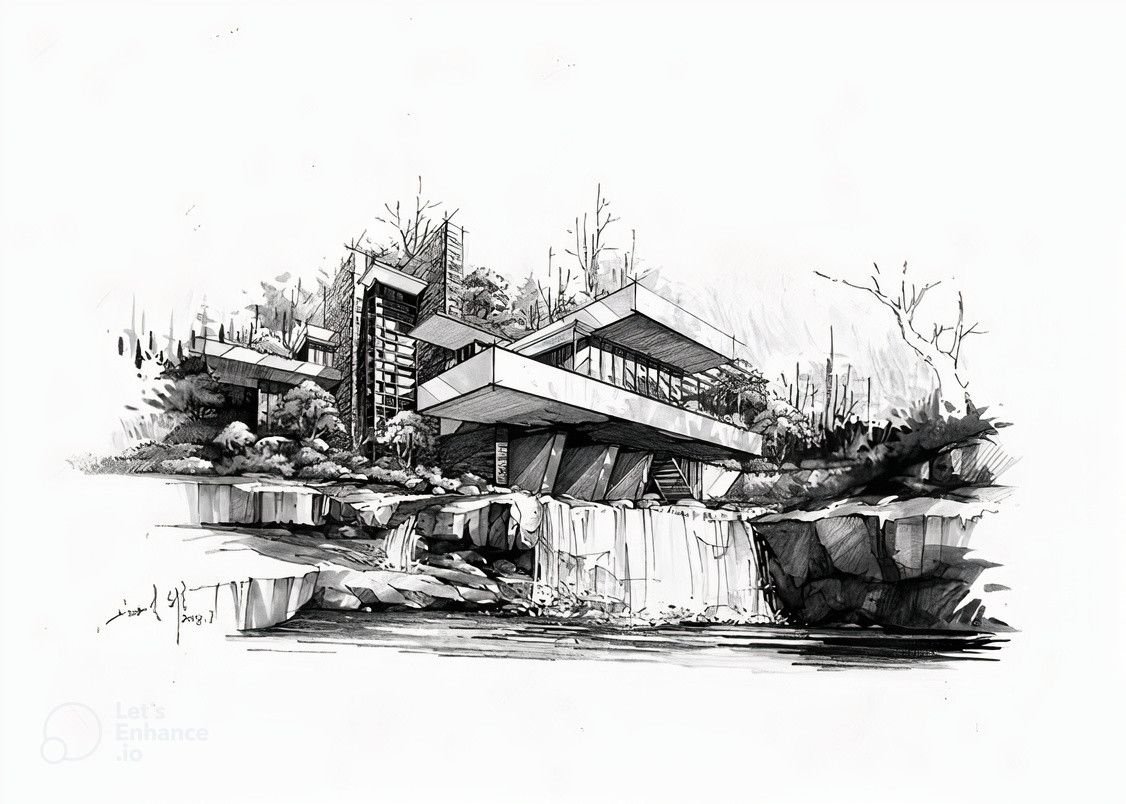
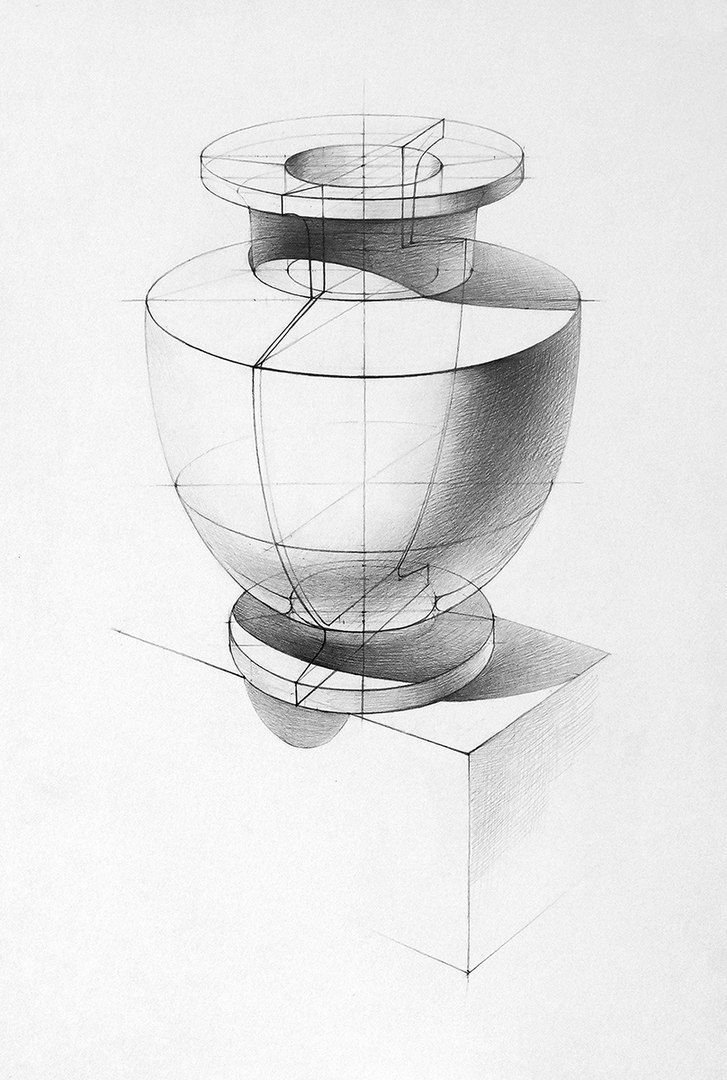
Why Hand Sketches Still Matter
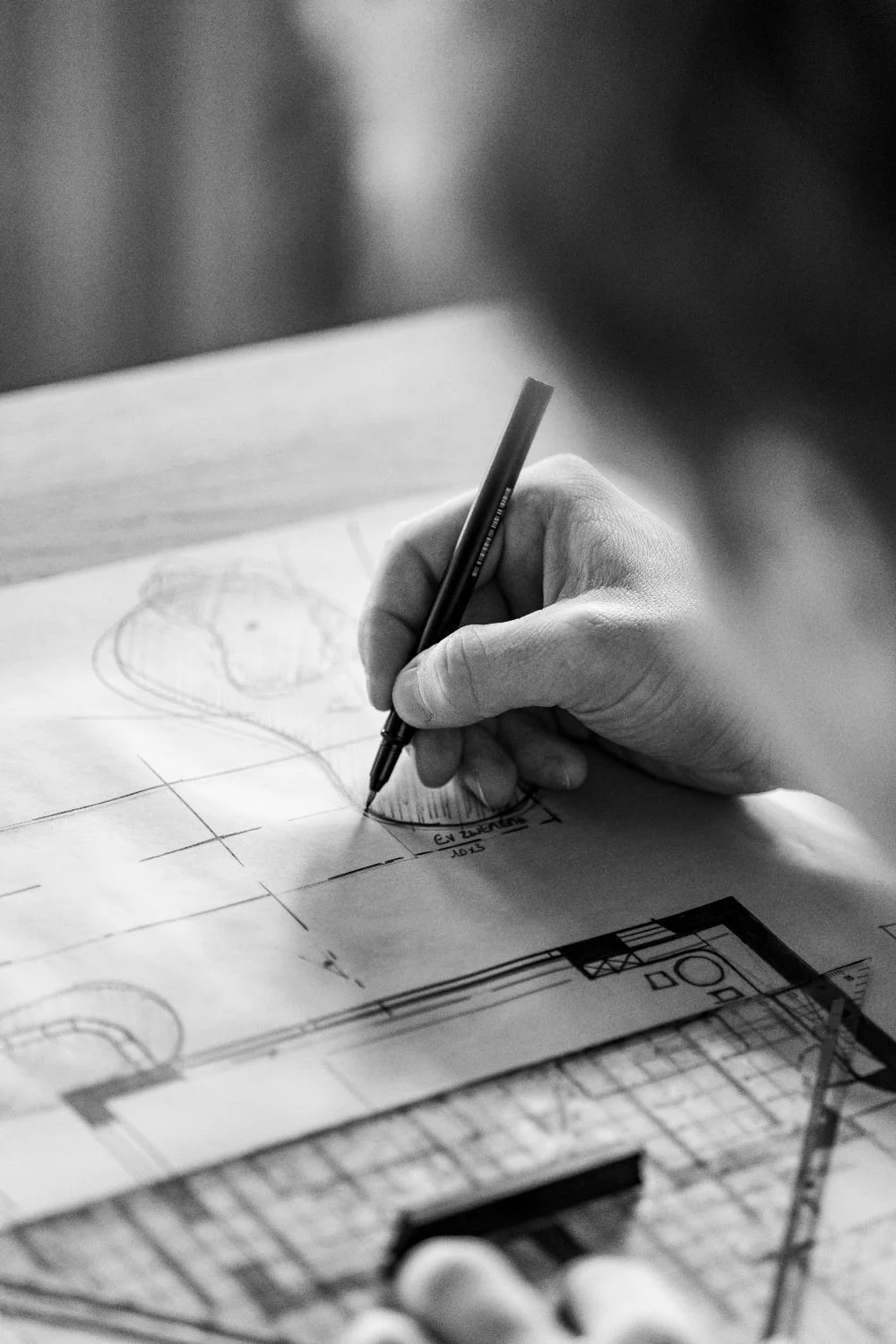
We still sketch by hand. Not because we reject technology.
Because we are artists.
A sketch is slower than generating dozens of concepts in seconds. And because it is slower, it creates space to think.
Ideas develop gradually. Questions emerge naturally. Possibilities reveal themselves through the movement of pencil across paper.
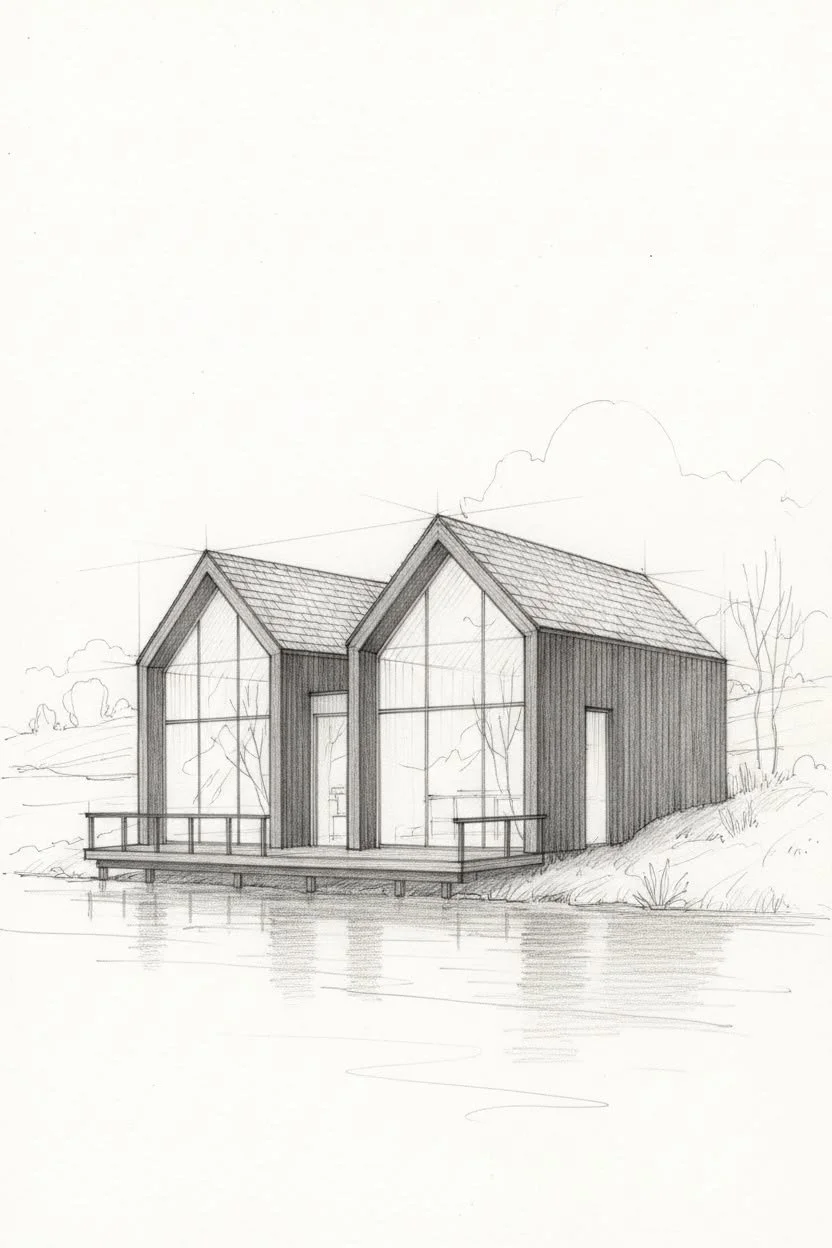
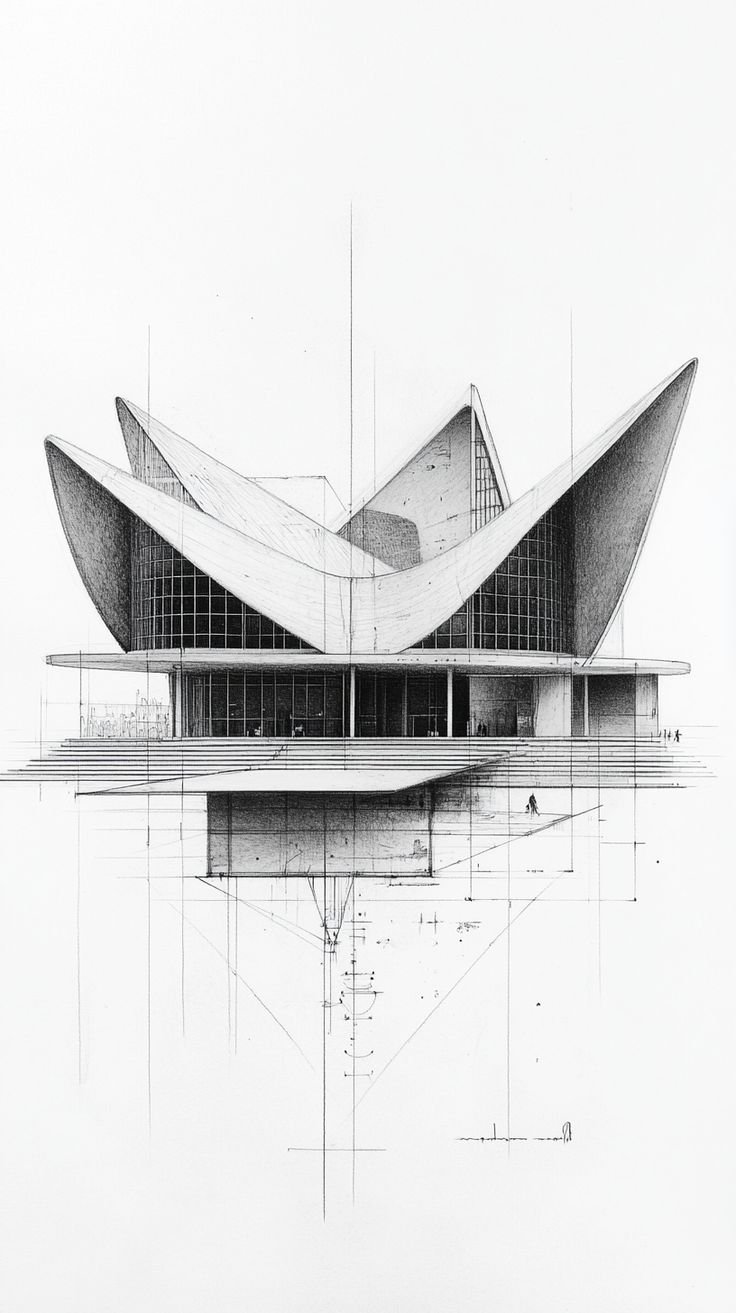
A hand sketch is not simply a drawing, it is part of the thinking process and its imperfections invite conversation.
Unlike a finished rendering, a sketch tells a client that the design is still evolving, that we are exploring ideas together rather than presenting a predetermined answer.
There is something profoundly human about that.
A Scandinavian Perspective
Scandinavian design has never been about perfection. Nor has it ever been about luxury for the sake of luxury.
It is built upon craftsmanship. Natural materials that improve with age. Longevity rather than disposability. Honesty in construction.
Simplicity achieved through discipline. Objects and spaces that quietly improve daily life.
These principles feel even more relevant today.
As our world becomes increasingly digital, Scandinavian design reminds us that beauty is not found in excess, but in authenticity.
A home designed this way does not seek attention. It supports life.
Quietly.
Every single day.
What the Future Holds
Artificial intelligence will undoubtedly become an increasingly important part of interior design and it should.
Innovation has always moved our profession forward and we will continue to embrace technologies that strengthen our work and improve the experience we create for our clients.
But the homes we remember will never be remembered because of the software that helped create them.
They will be remembered because someone listened carefully enough to understand the people who lived there.
Because an artisan shaped a piece of oak by hand. Because natural stone carried the marks of the earth rather than the perfection of a screen. Because a designer chose empathy over efficiency.
Technology will continue to evolve. Our commitment to people will not.
We believe technology should enhance creativity, never replace it.
Because technology may help us design houses.
Human connection is what creates homes.
Lou Joia Studio is a Scandinavian-inspired interior design practice focused on spaces that honor both beauty and the people who inhabit them.
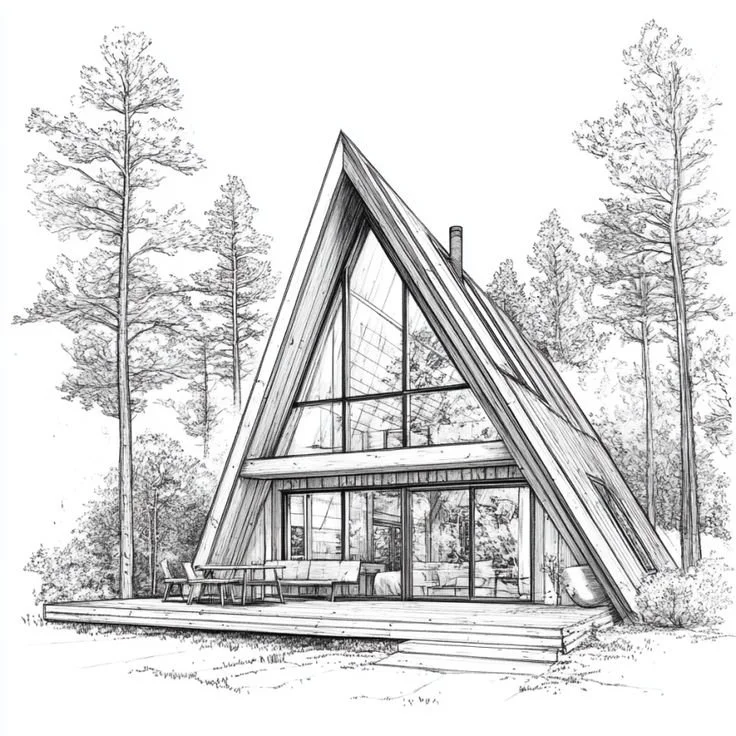
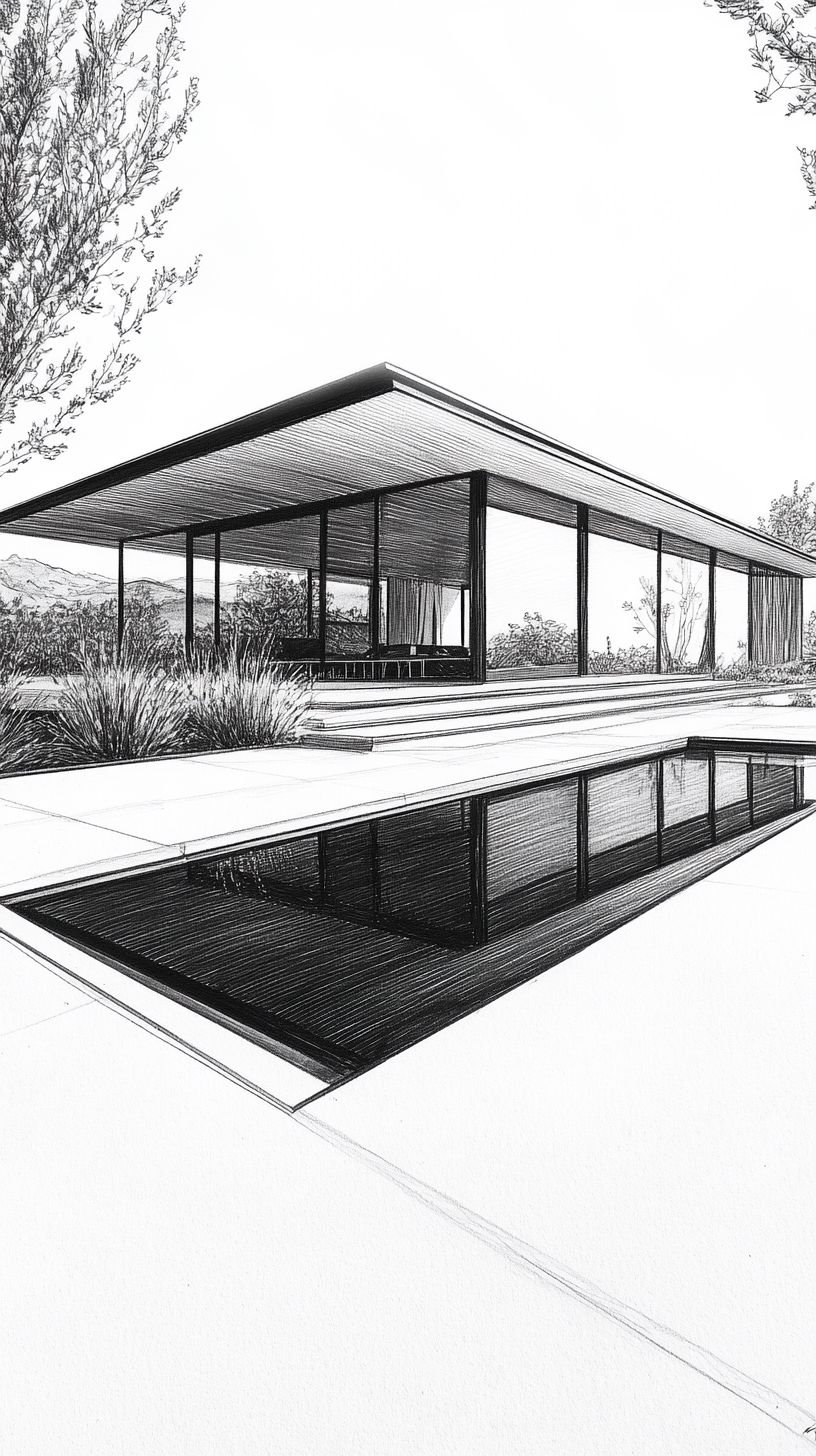
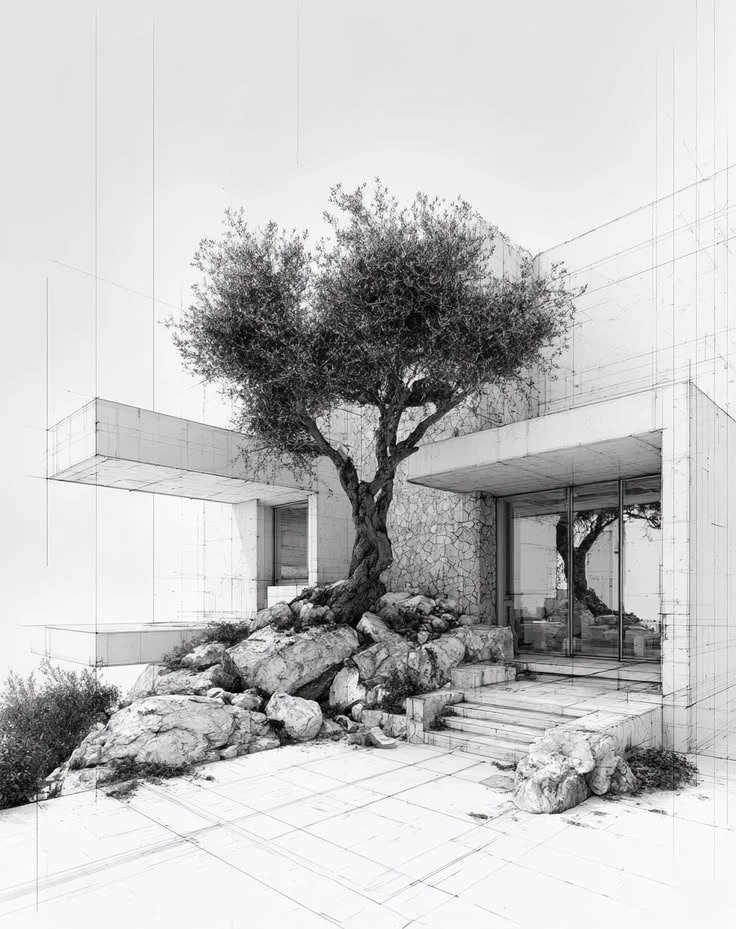
Sketches by Chloe, Lou Joia Studio
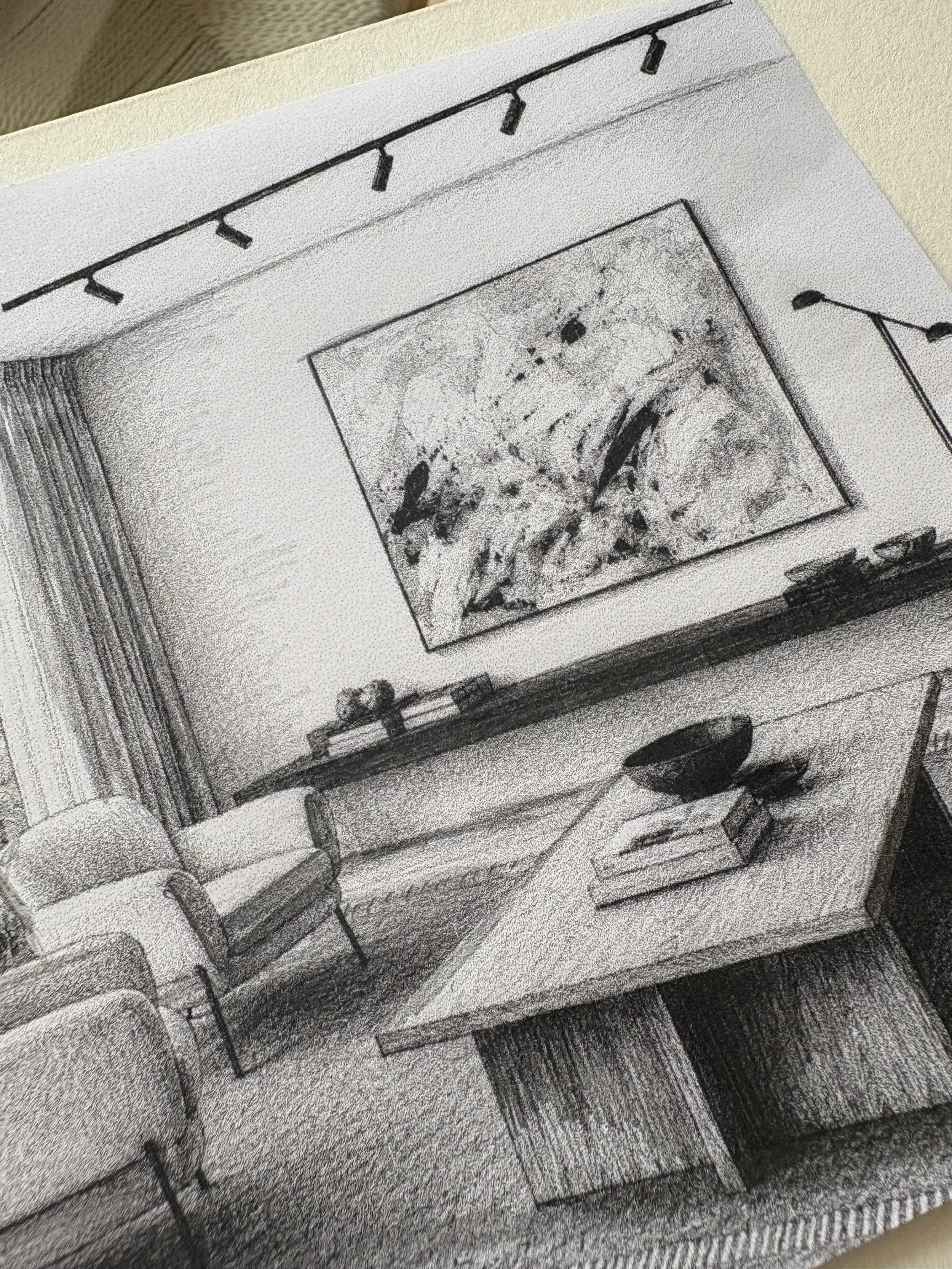
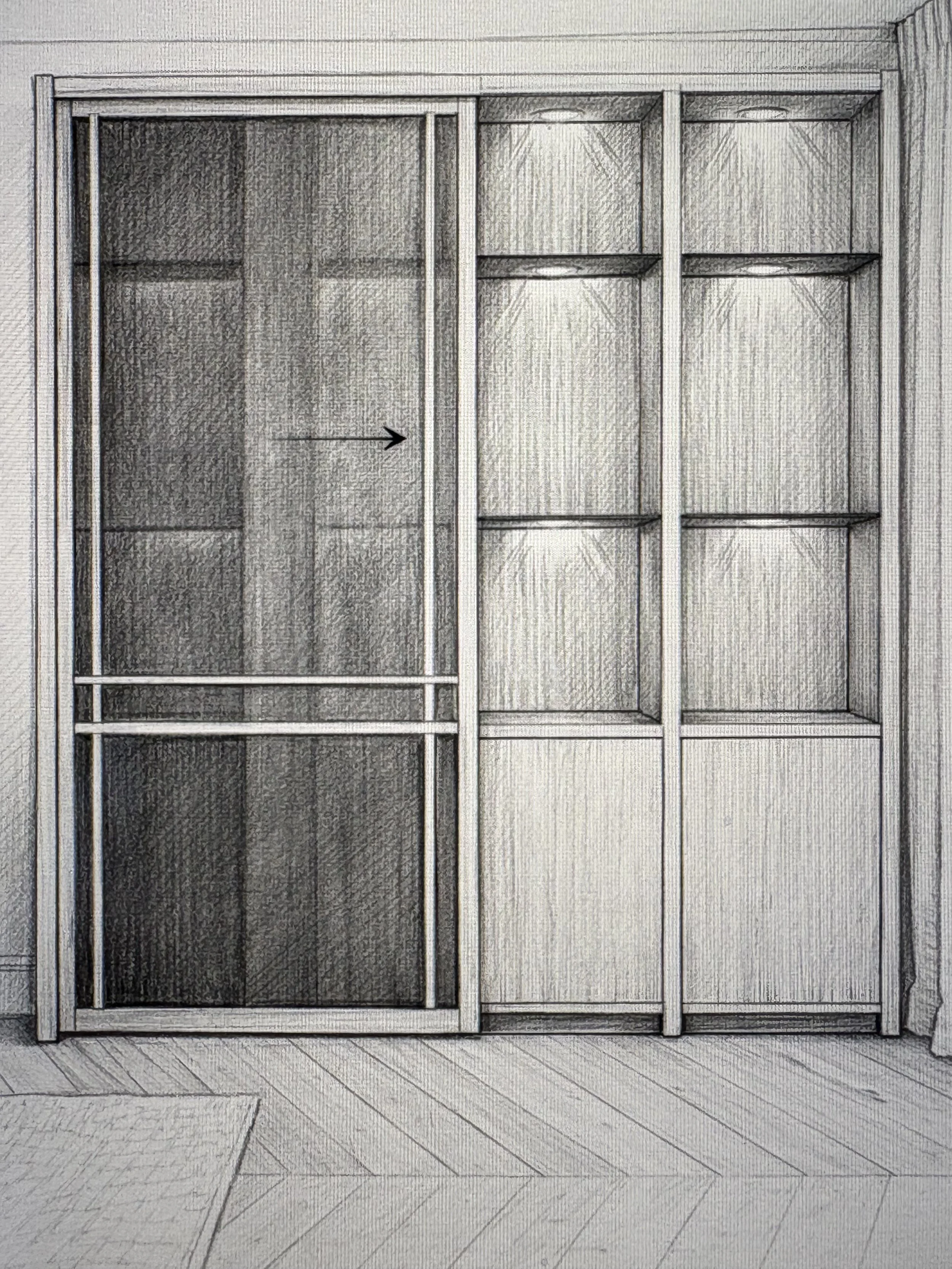
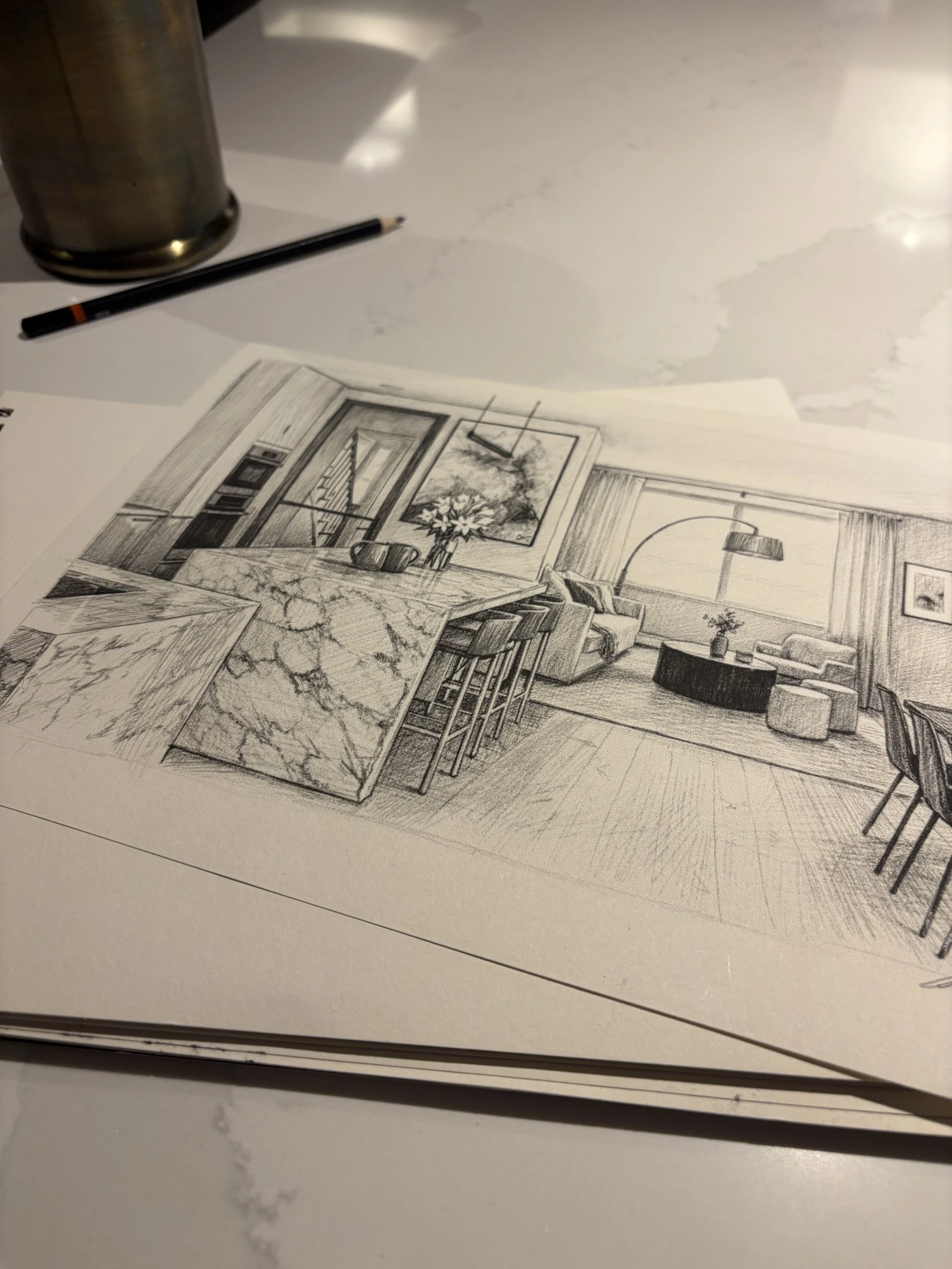
Sketches by some of my favorite designers & architects