Ma: The Japanese Art of Empty Space
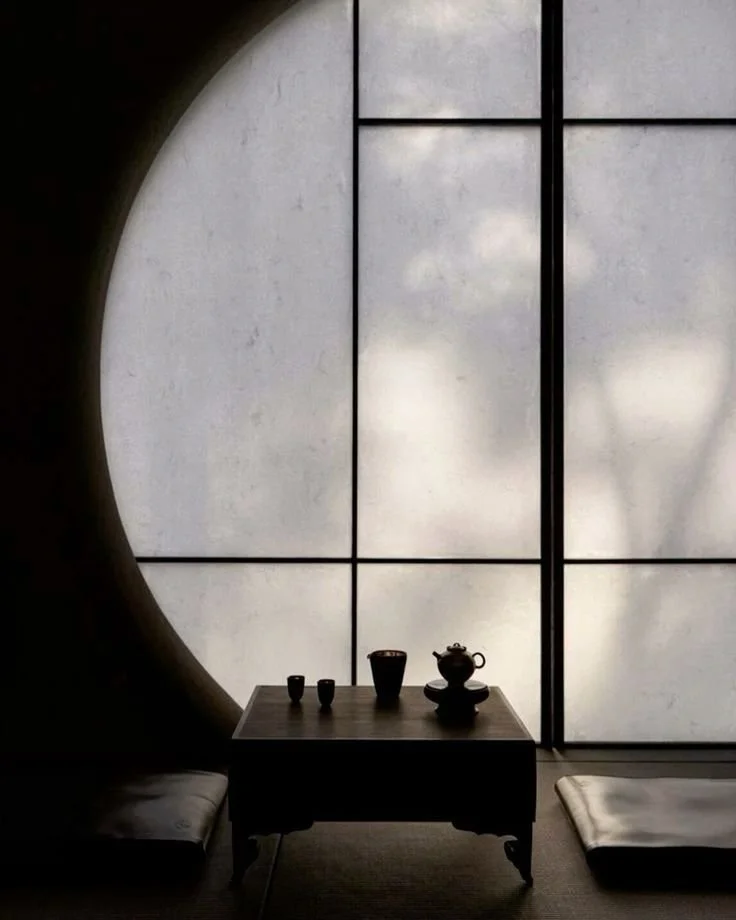
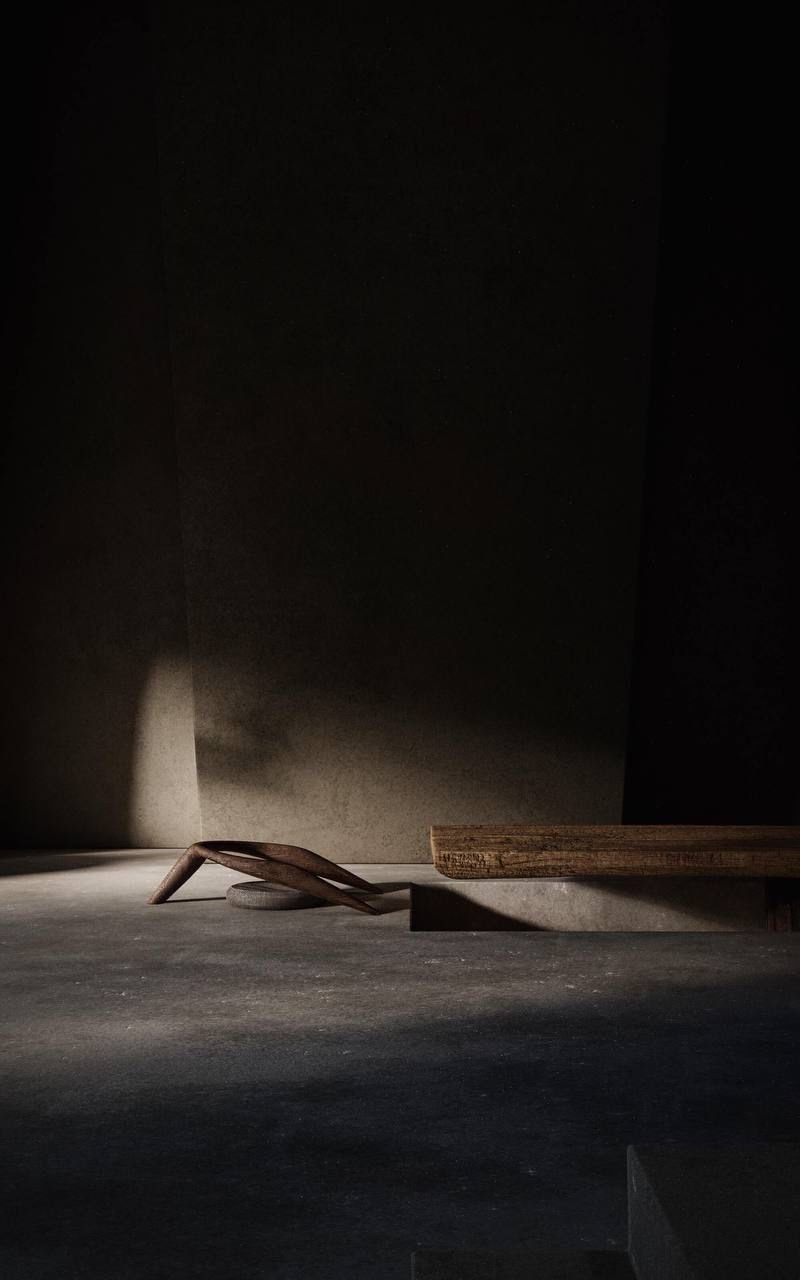
In a traditional Japanese room, the most important element is often the part that holds nothing at all. A single scroll on the wall. A low table. Around them, space that is deliberate, unhurried, allowed simply to be. To a Western eye trained to fill, this can feel like something missing. To the Japanese sensibility, it is the opposite. The emptiness is the point. This is ma.
Ma (間) is one of the most quietly profound ideas in Japanese culture and one of the hardest to translate. It is usually rendered as negative space, gap, or interval, yet none of these quite hold it. Ma is not empty in the sense of lacking. It is the space between things that allows them to exist in relationship to one another, full of pause, of potential, of meaning.
The Space That Gives Form Its Meaning
We tend to think of objects as the things that matter, and the space around them as incidental, leftover, unimportant. Ma reverses this. It proposes that the interval between two things is as meaningful as the things themselves.
Consider a piece of music. The notes matter, but so do the silences between them. Remove the pauses and you no longer have music. You have noise. The rests give the notes their shape, their rhythm, their emotion. Ma is that rest, applied to everything: to space, to time, to conversation.
The character itself is telling. It once depicted a gate, with the sun or moon visible through the opening. Light arriving through a gap. Something becoming perceptible precisely because of the space that frames it.
A Way of Perceiving, Not Just Arranging
Ma runs through every traditional Japanese art form as the same underlying instinct: restraint, and trust in the eloquence of what is left out.
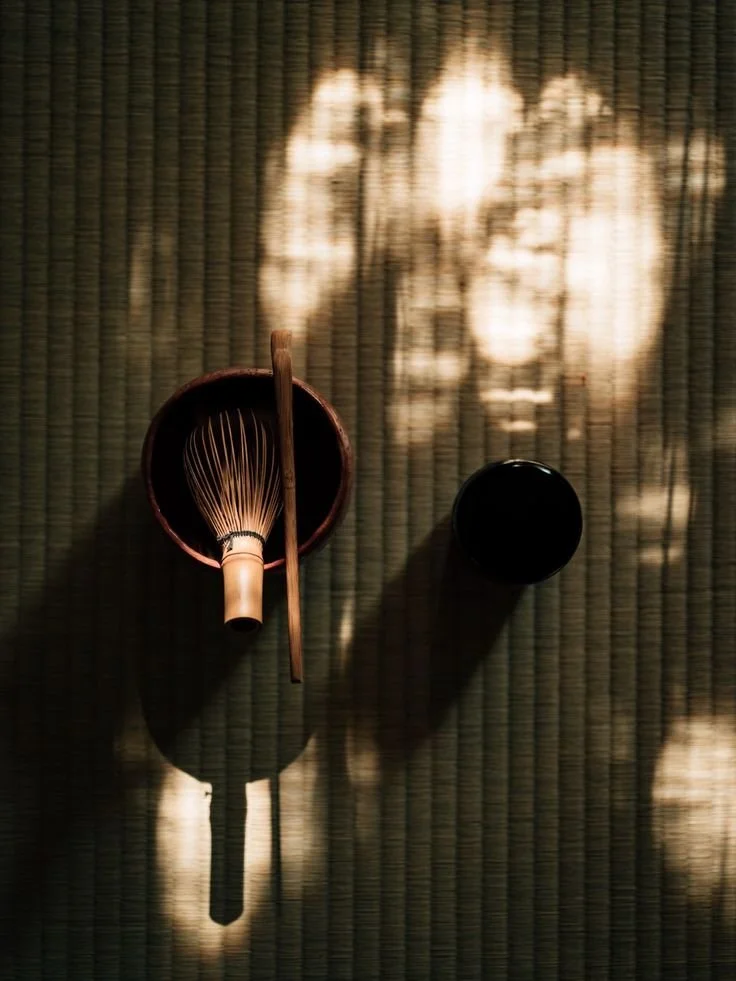
In architecture, it appears in the considered intervals between structures, in the screens that open a room onto a garden. In the tea ceremony, it is the unhurried timing, the pauses that turn a simple act into a meditation. In ink painting, it is the expanse of untouched paper that makes a few confident brushstrokes sing. In gardens, it is the careful distance between stones that lets a single tree become the entire composition. Even in conversation, a pause is not an awkward absence to be filled, but a space for thought, for weight, for what cannot be said directly.
This is where ma differs so sharply from much of Western design, which has historically prized abundance and ornament as evidence of care. Ma suggests the reverse. The highest care is shown in what you choose to leave out.
How Ma Lives in a Home
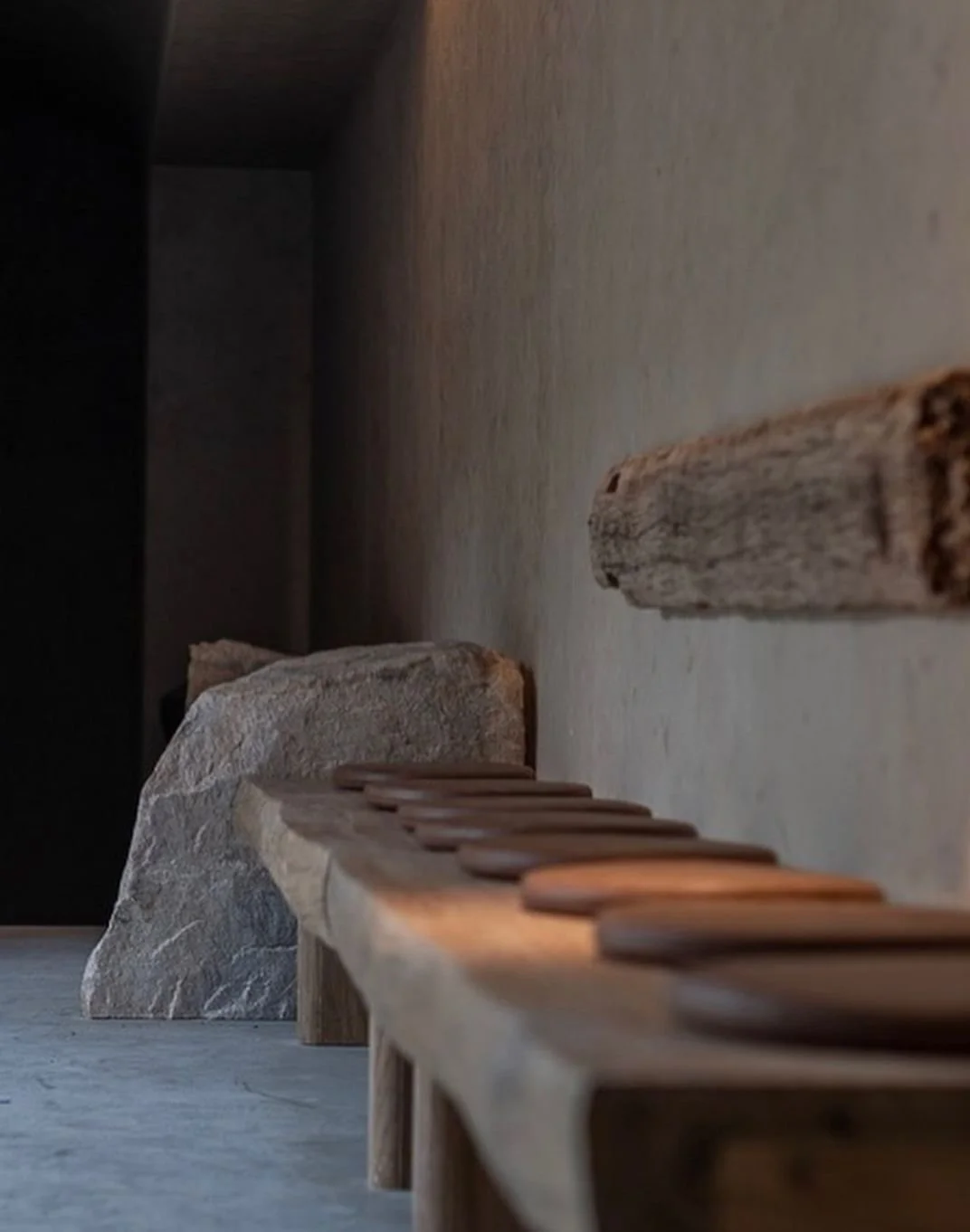
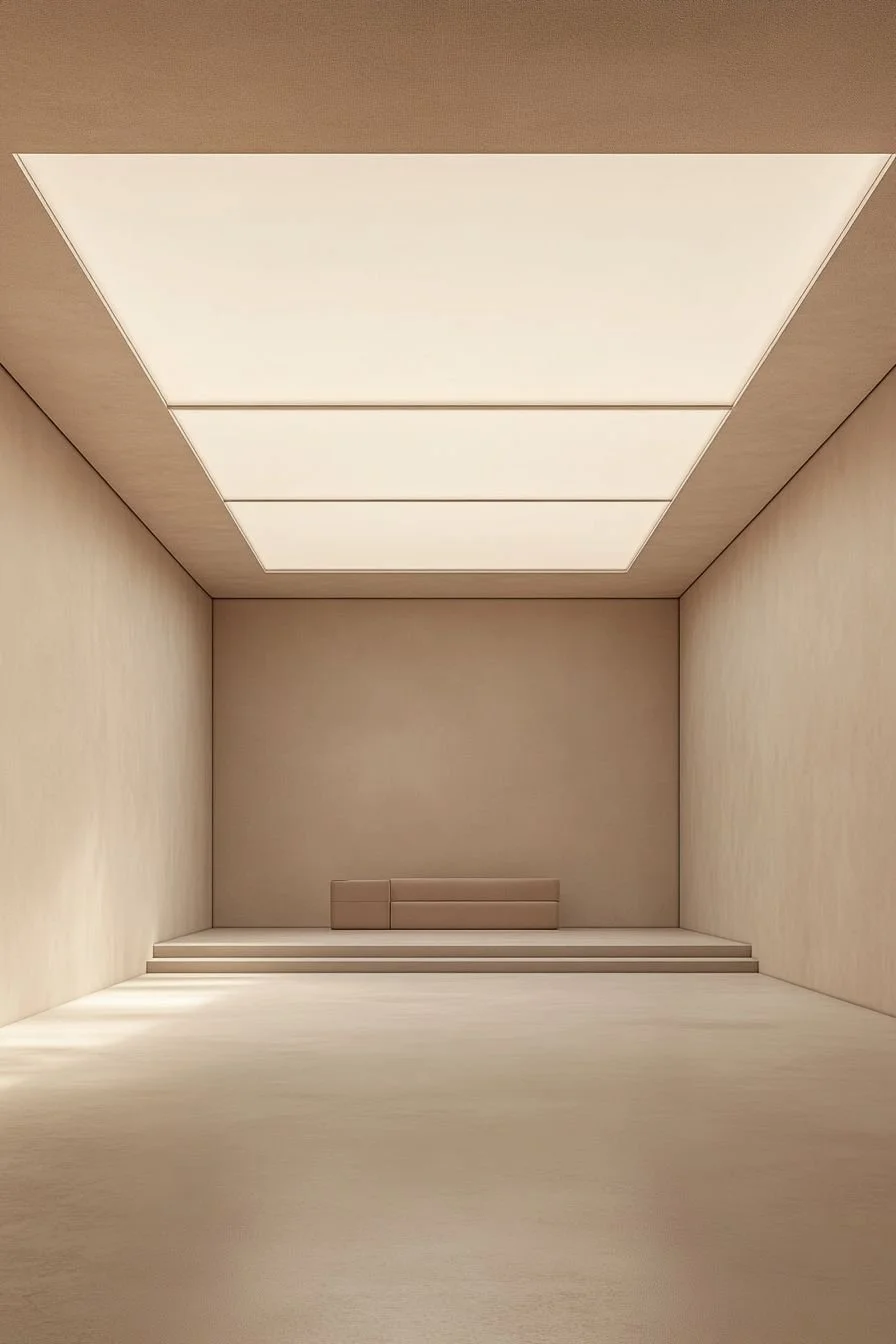
To bring ma into a home is to treat emptiness as a material in its own right, as deliberate as the furniture, the light, the wood.
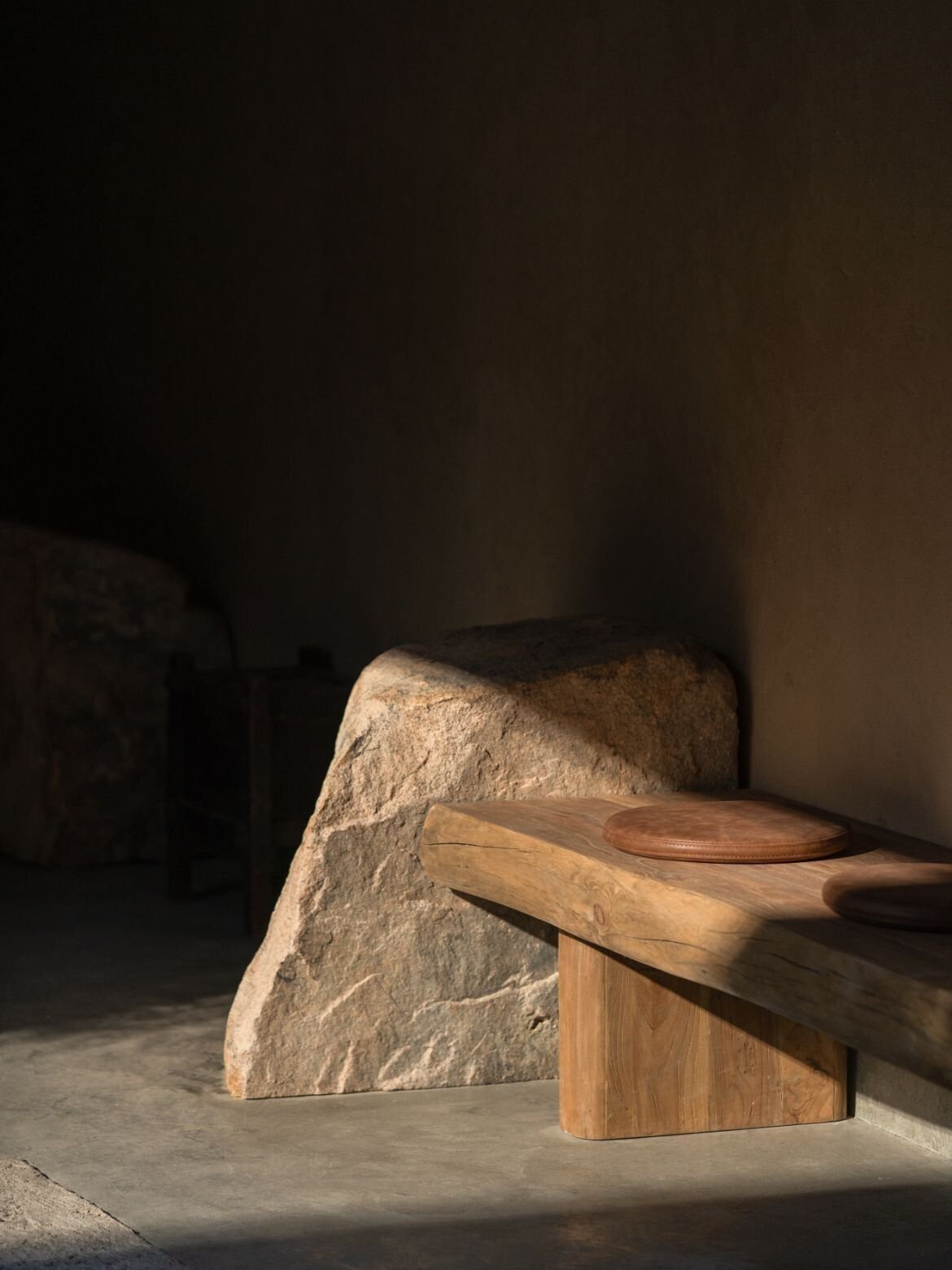
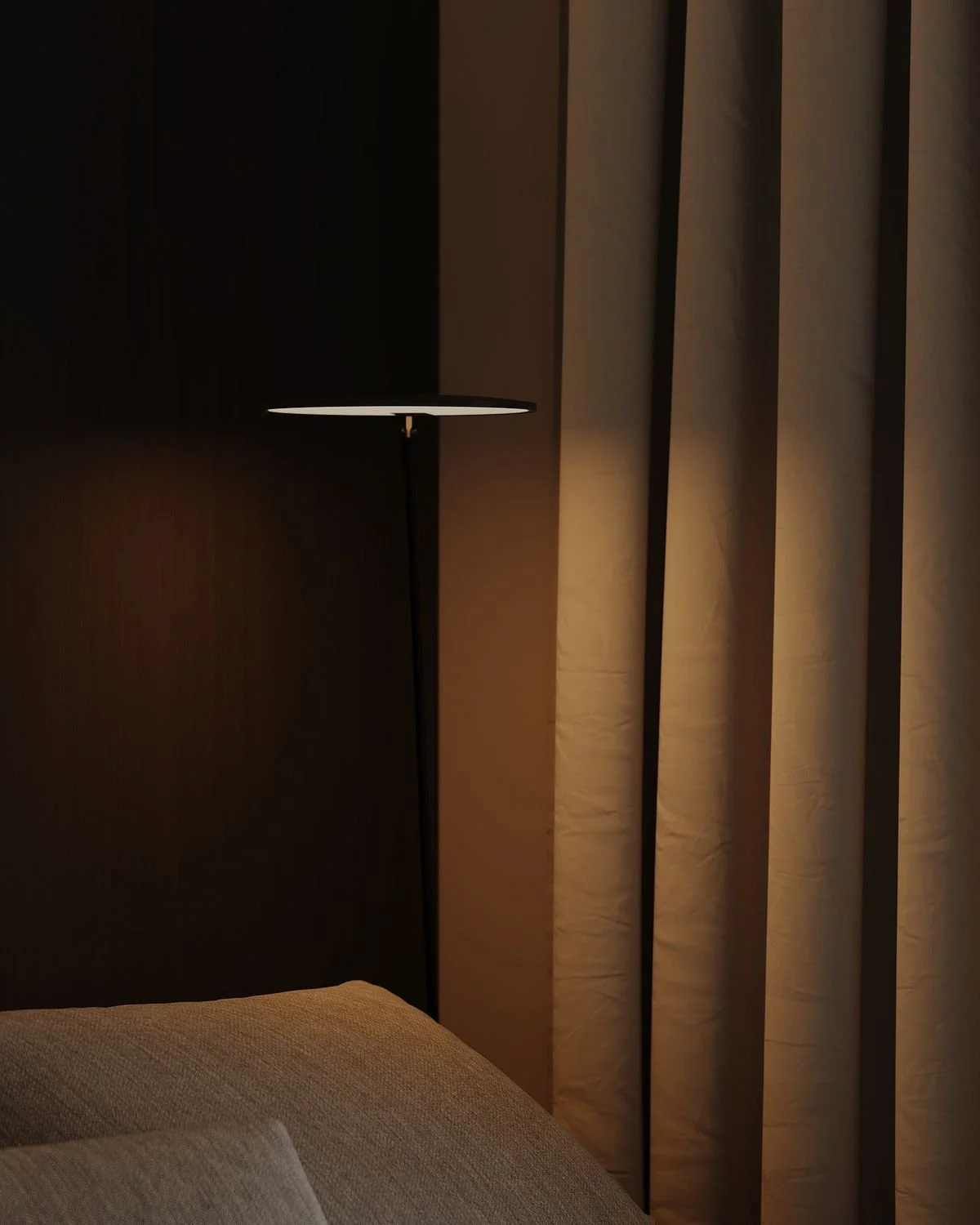
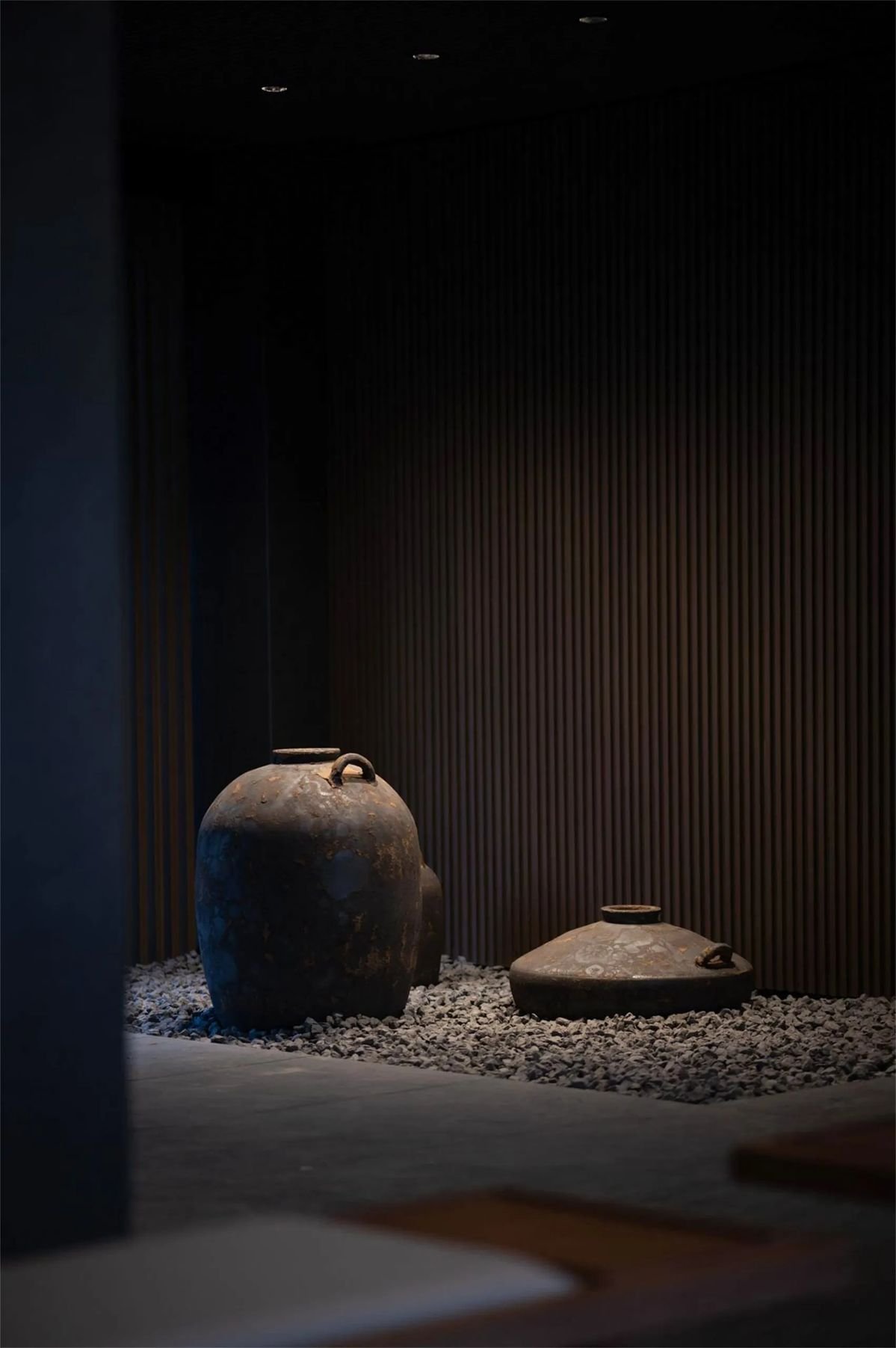
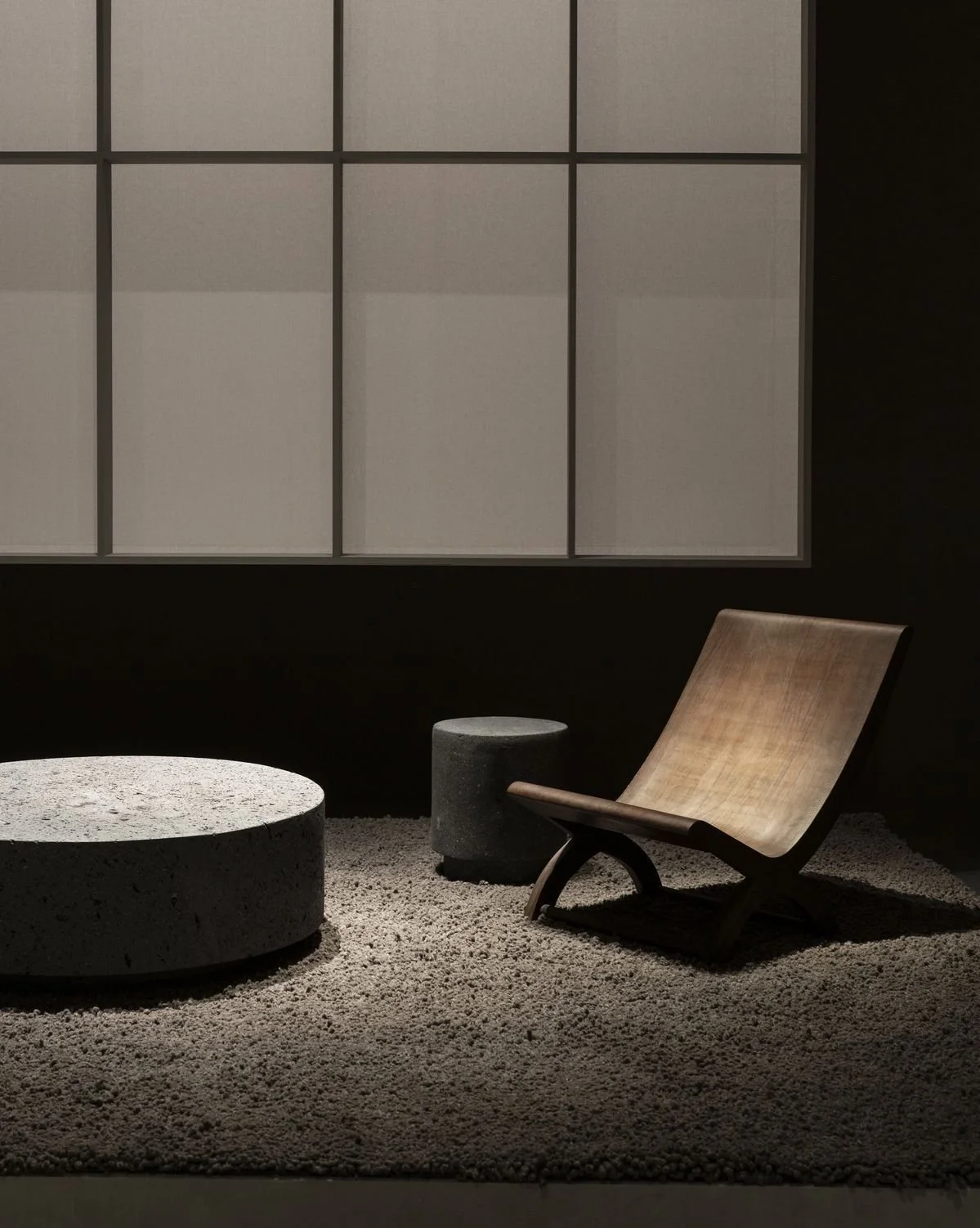
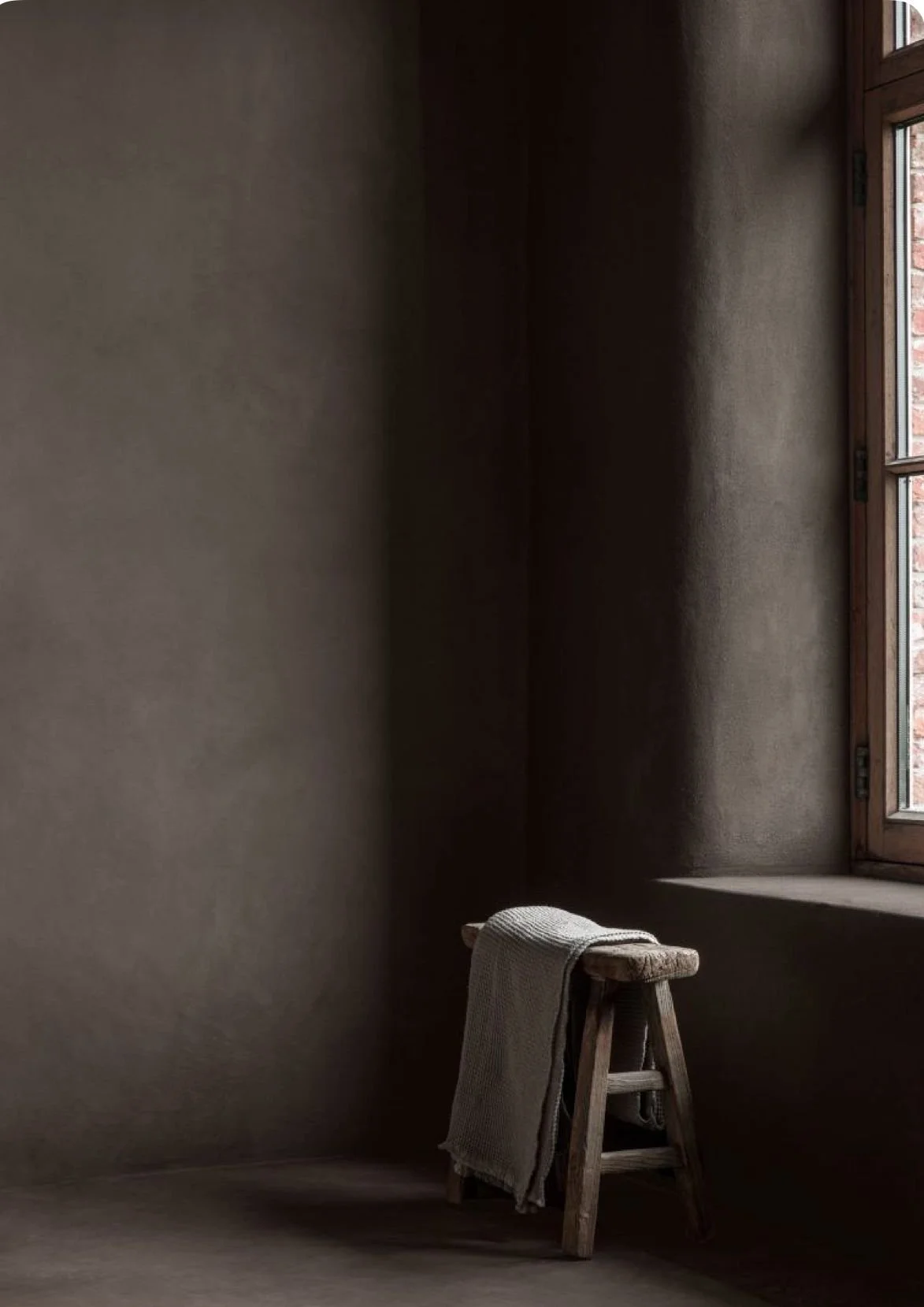
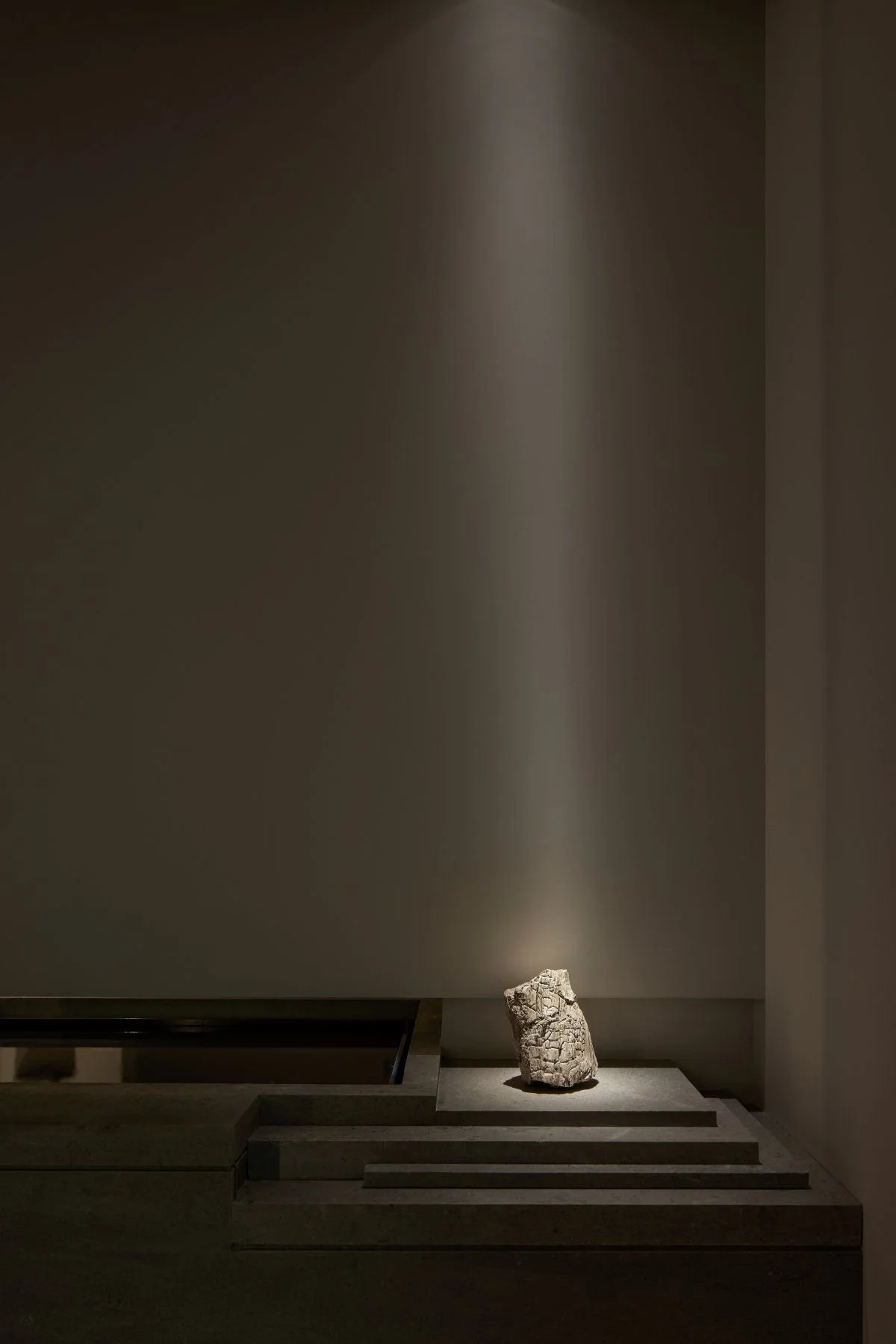
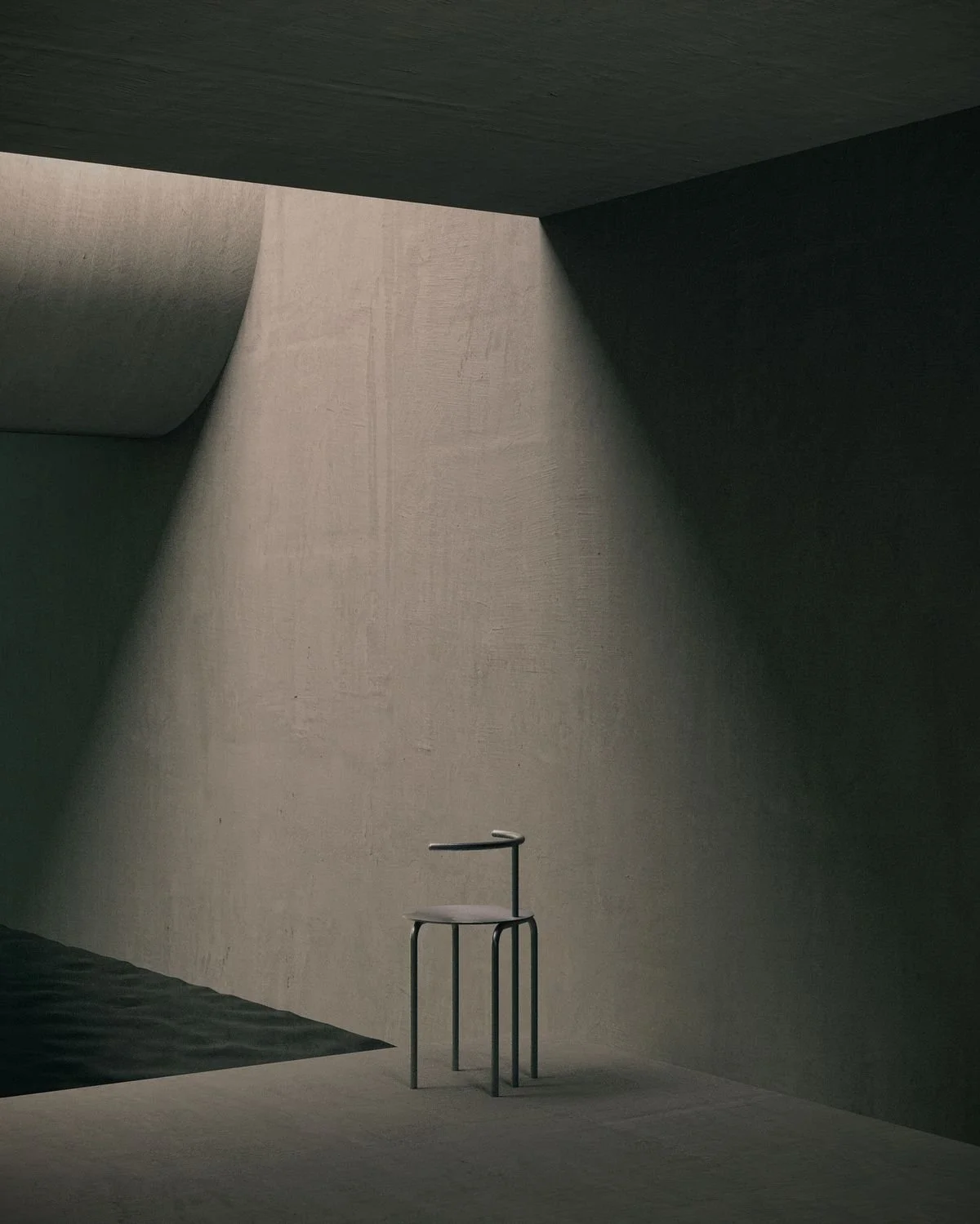
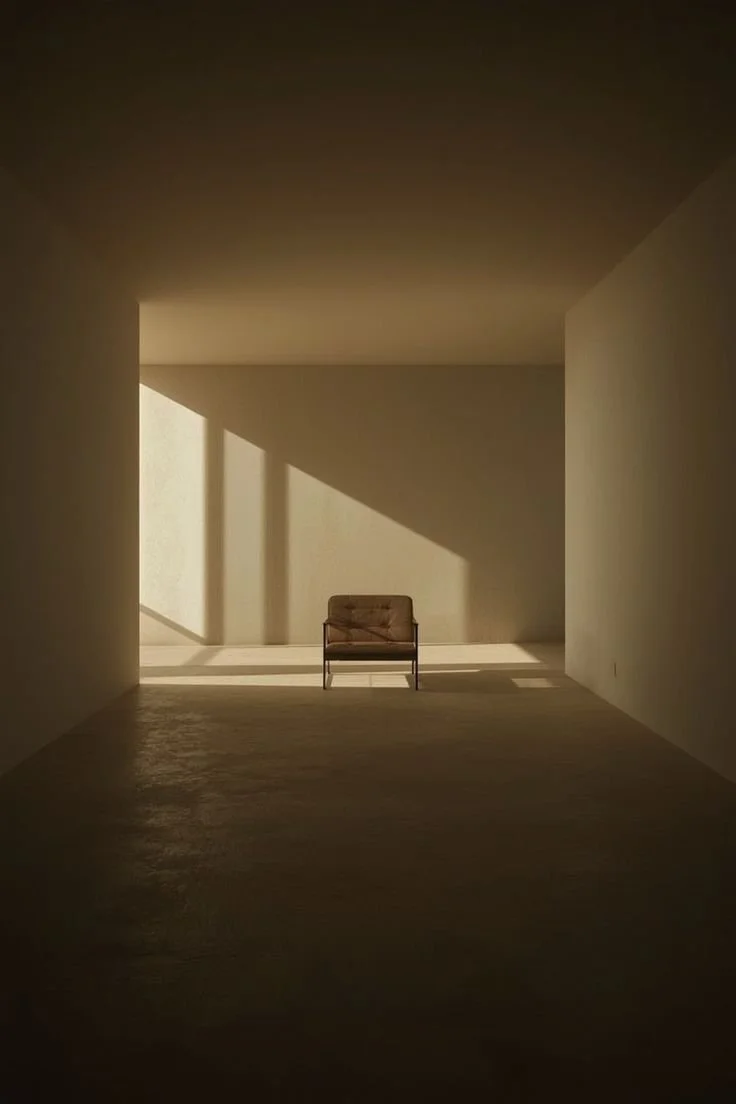
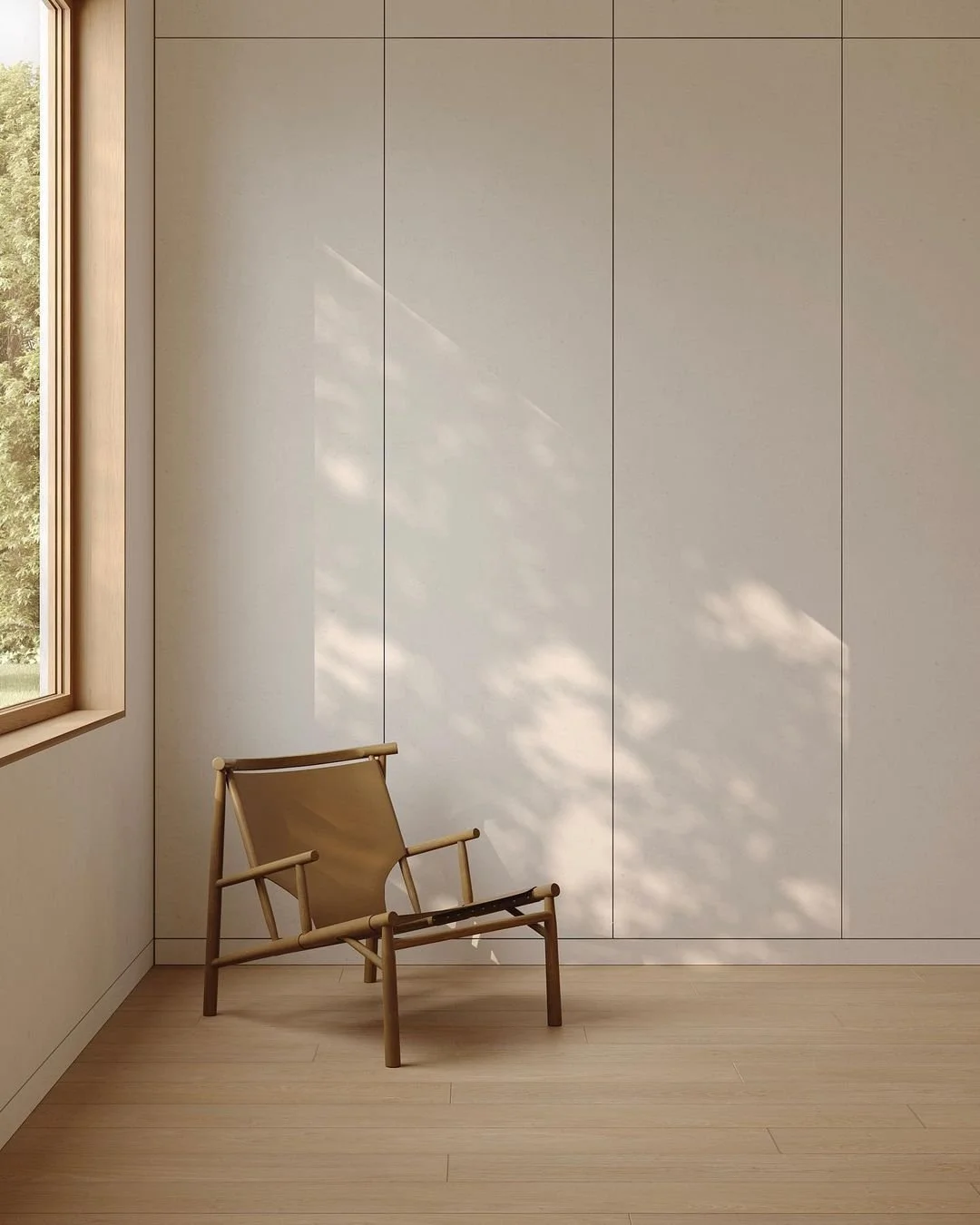
A room shaped by ma is not lacking in furniture. It is precisely furnished. A single chair by a window, with space around it, carries more presence than a room of beautiful things competing for attention. A shelf holding three carefully chosen pieces, with quiet stretches between them, lets each one be truly seen. A bare wall becomes a place for the eye to rest.
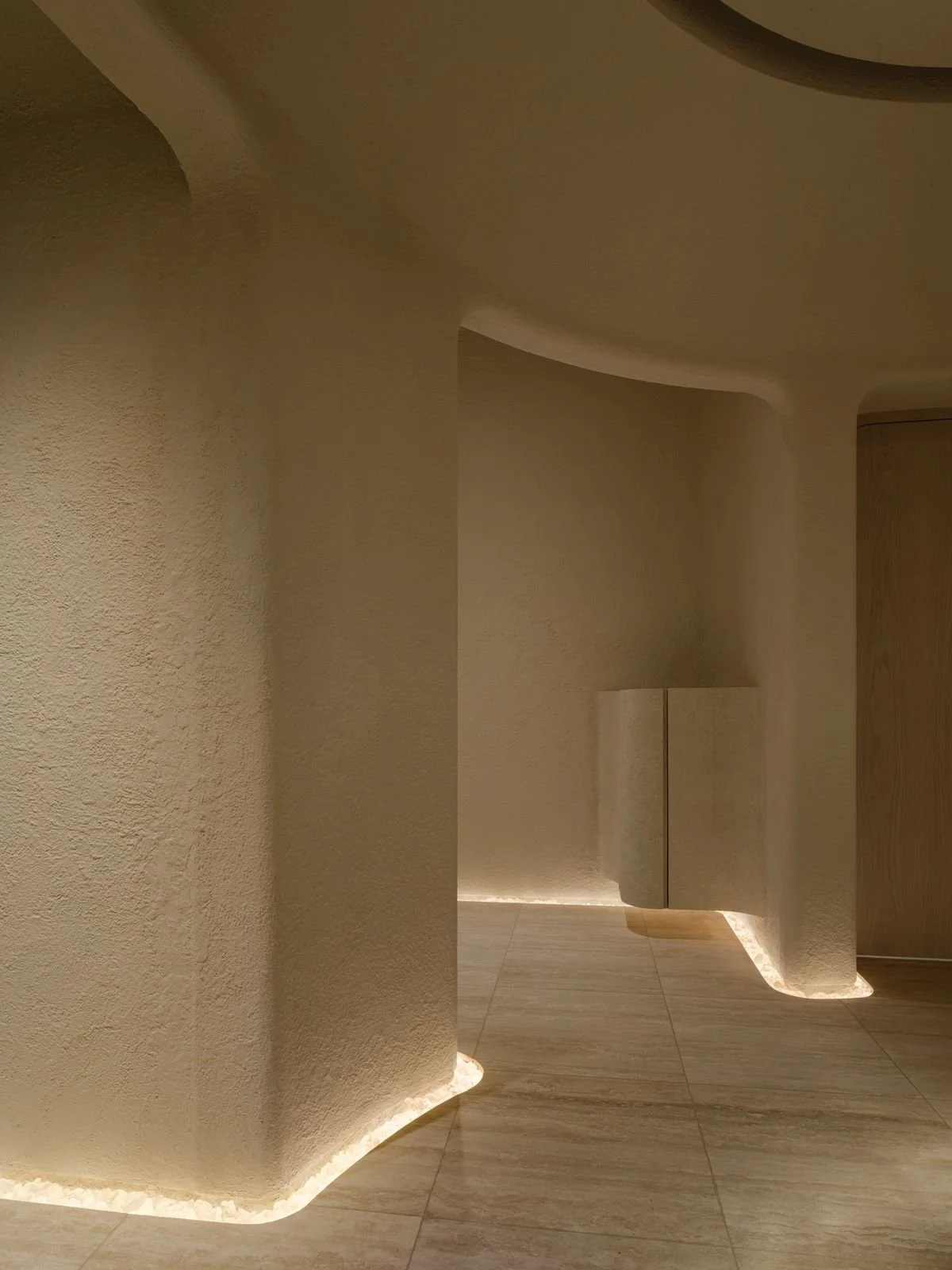
It shapes how we move, too. A home designed with ma considers the journey through it: the threshold, the corridor, the moment of arrival. These transitional spaces are not wasted. They are breaths between one experience and the next, preparing you, slowing you, letting you arrive properly.
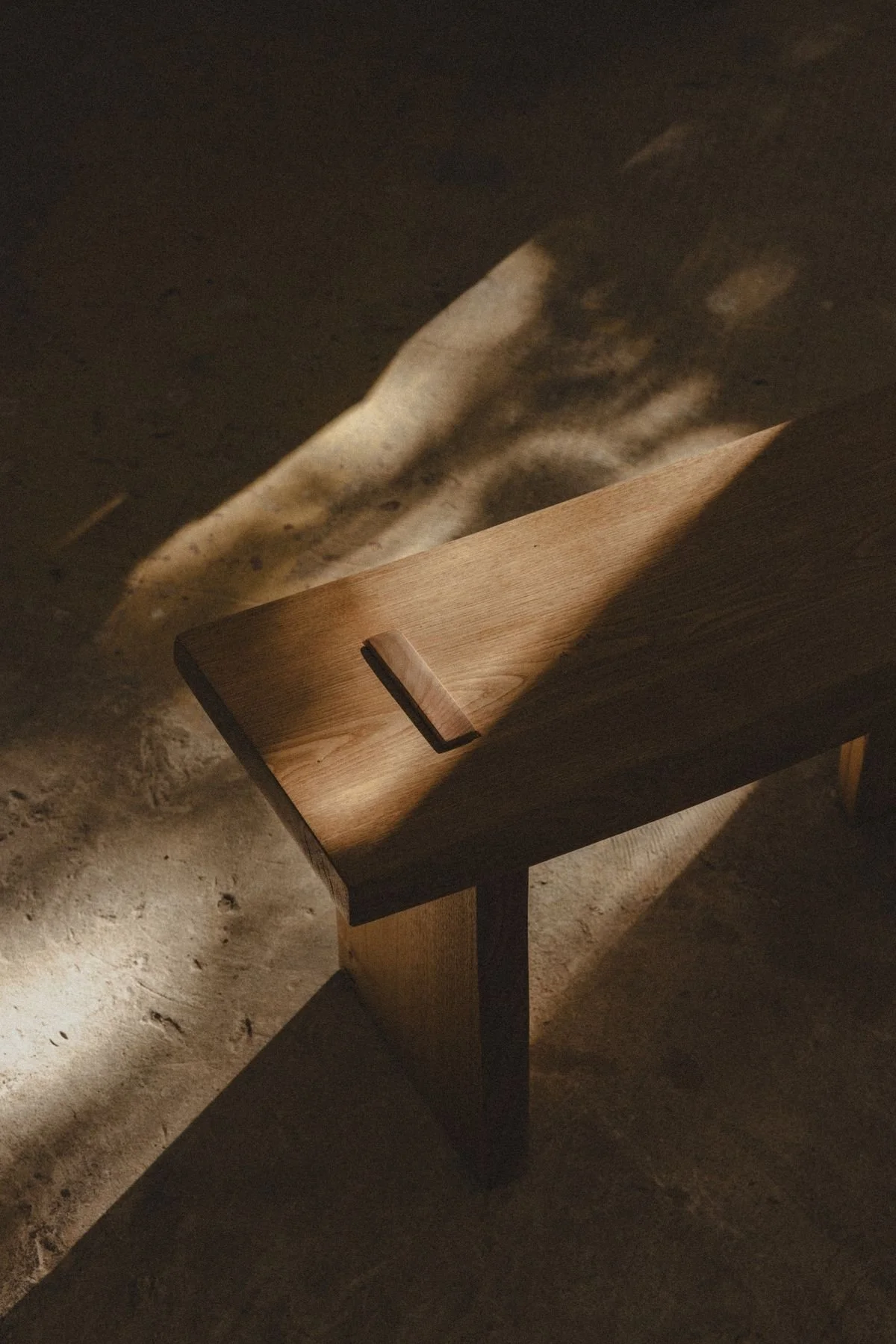
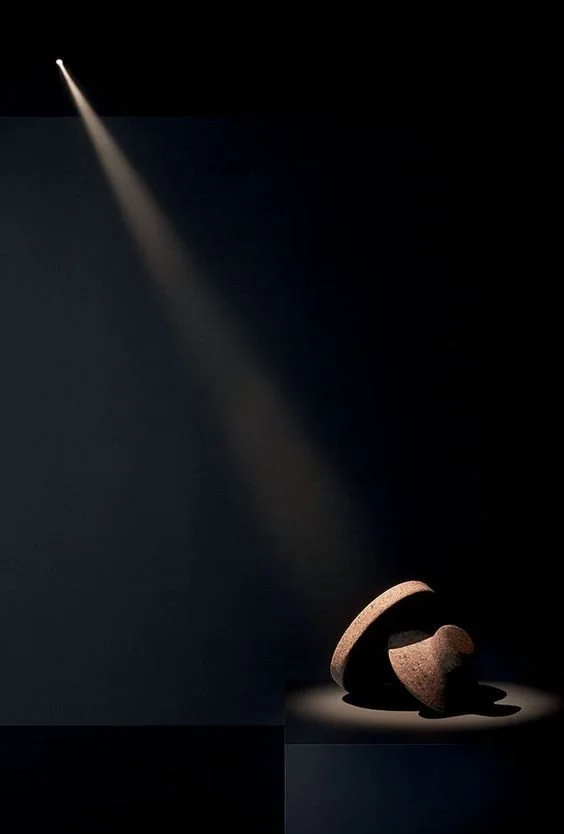
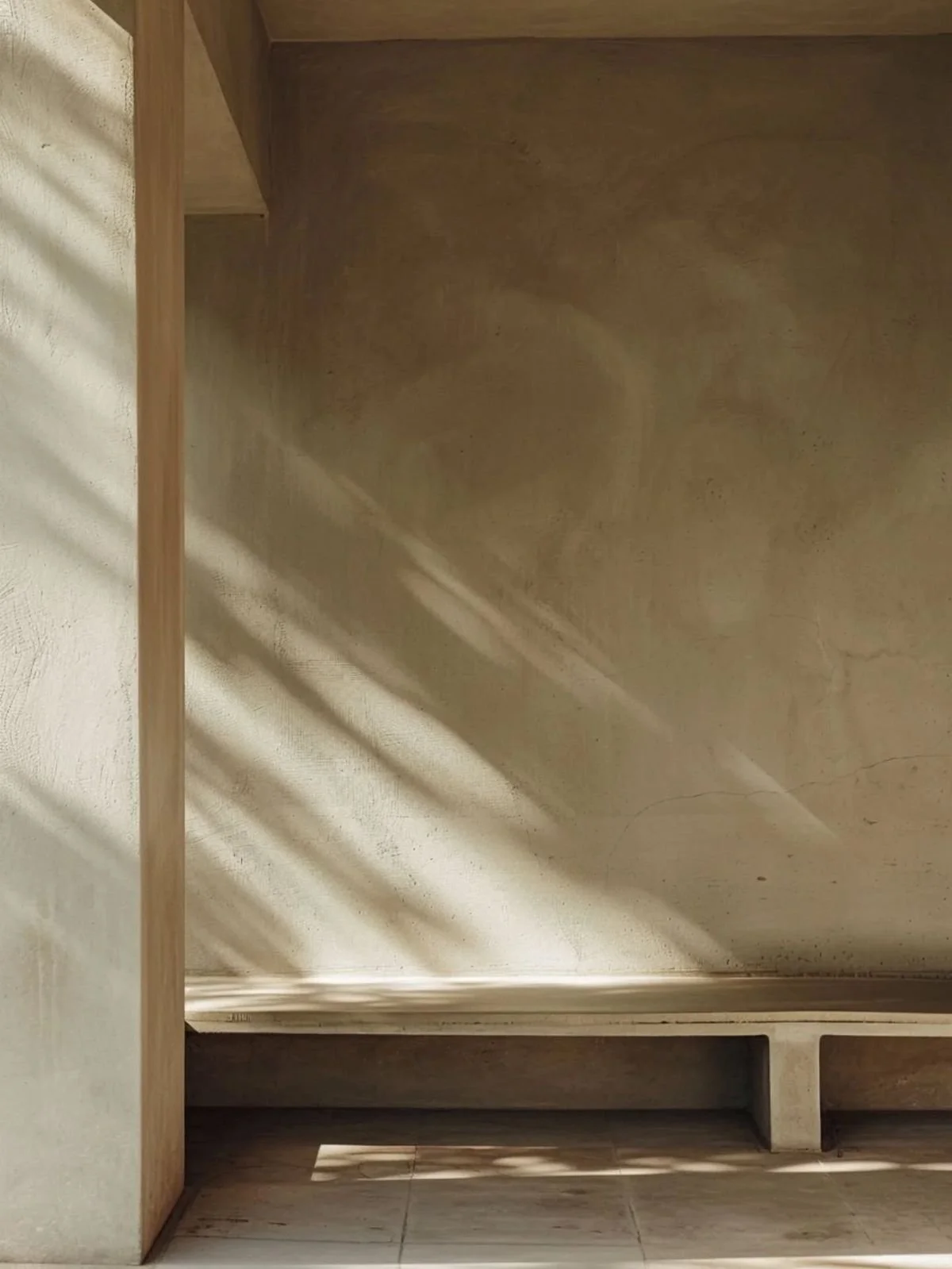
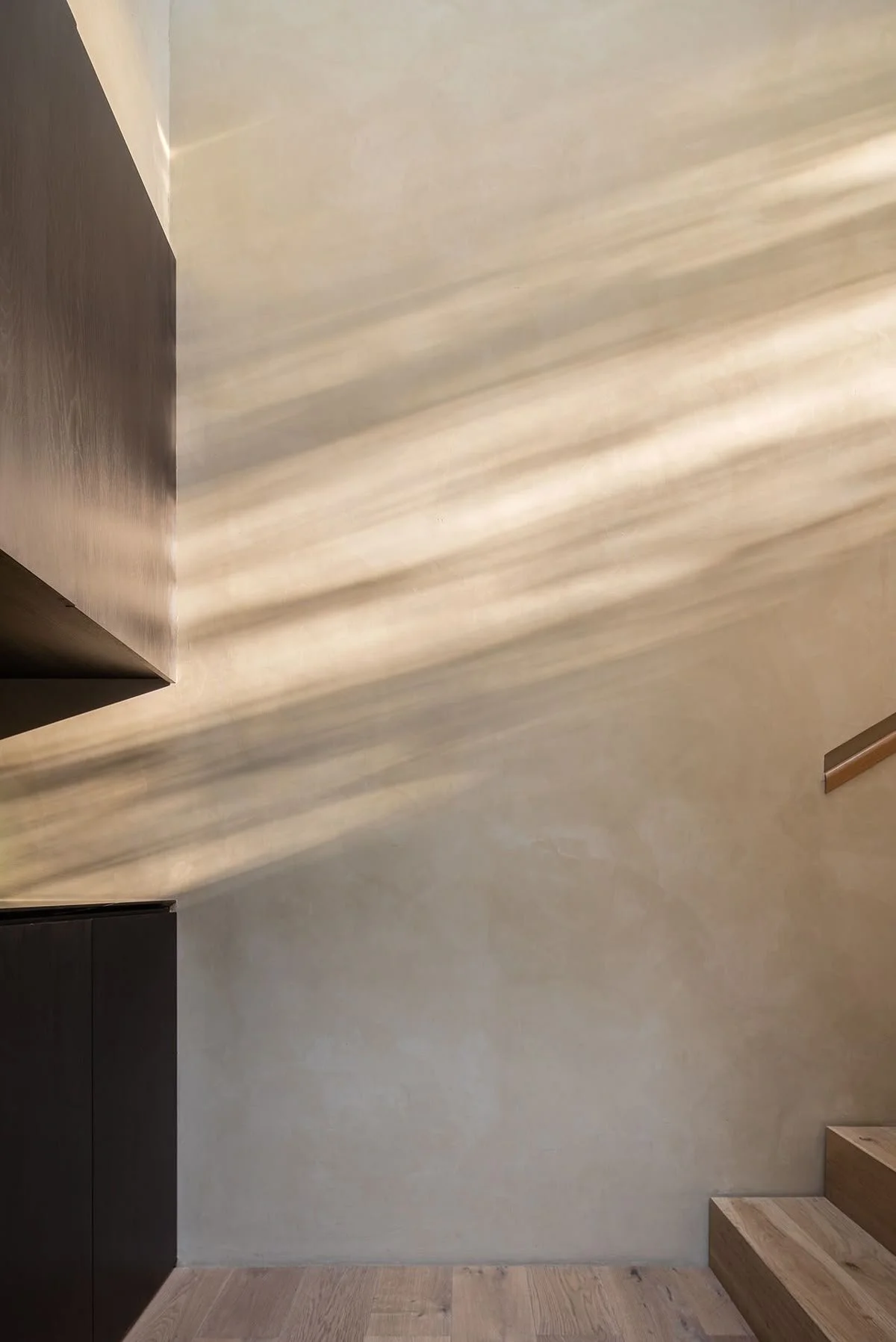
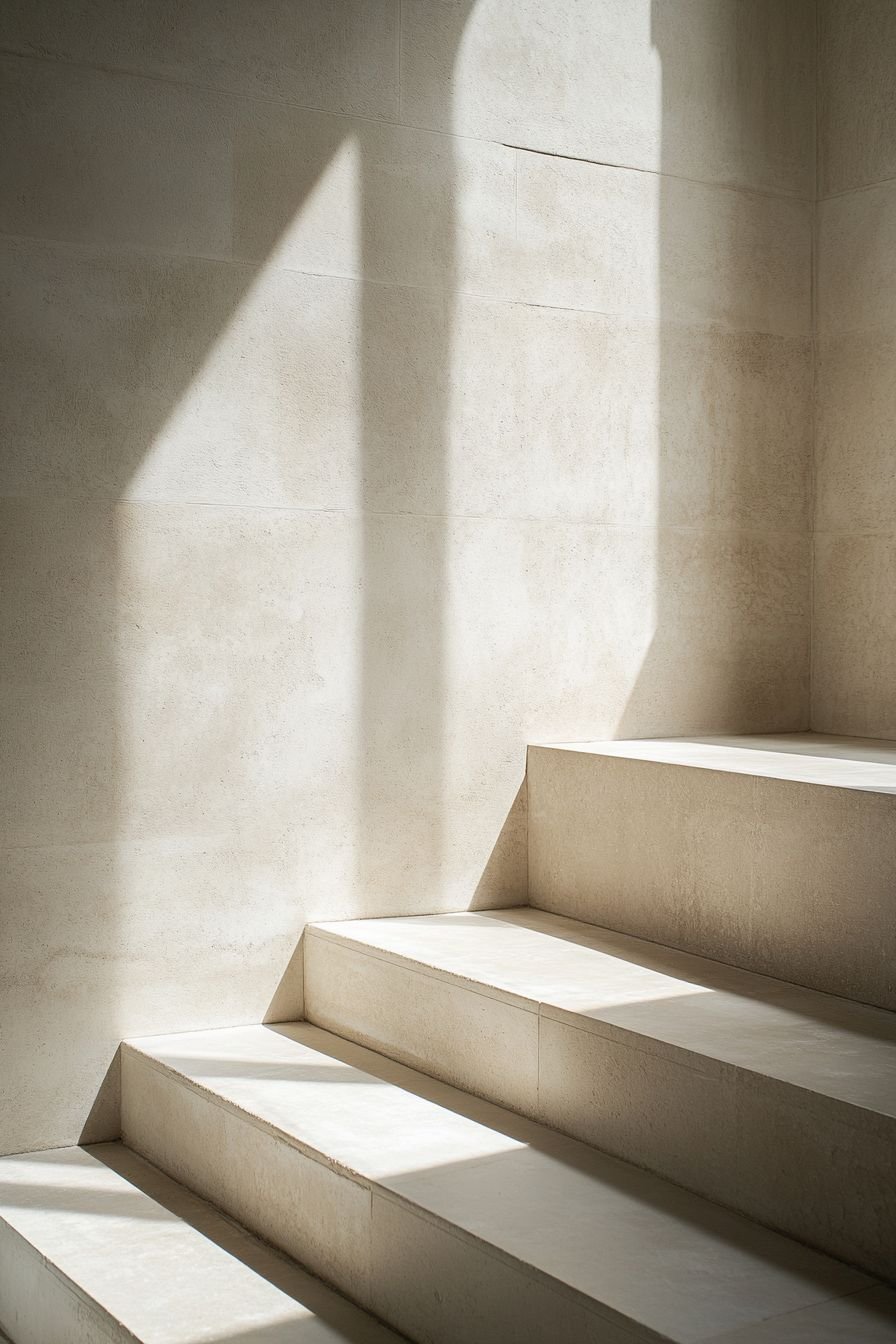
And it lives in light and stillness. The way afternoon light falls across an open floor. The soft flicker of a single candle given room to matter. There is a profound difference between a room that is empty and a room that holds emptiness with purpose. The first feels unfinished. The second feels complete, and quietly alive.
Bringing Ma Into Your Life
There is a reason ma feels so resonant now. We live amid a constant pressure to fill every wall, every shelf, every hour. Ma is a gentle correction. A home built on it gives you somewhere to exhale. It asks nothing of you, and simply makes room.
The practice begins not with adding, but with subtracting, and then with leaving the space you have created untouched. Look at a room and resist the urge to fill it. Choose fewer objects, and give them distance. Treat the transitions as places of pause rather than passage. Then extend the instinct beyond your interiors. Leave gaps in your day. Allow silences in your conversations. Resist the reflex to fill every moment as you resist the reflex to fill every surface.
Ma is not a style. It is a way of seeing in which the pause has meaning and the space between things is where life quietly happens. In a culture that never stops filling, there is something deeply restorative in learning, once again, to leave a little room.