Home as Sanctuary: The Architecture of Emotional Safety
Your home is not just a building. It is a threshold between the world and yourself. It is where you shed the roles you play elsewhere. It is where you let your guard down. It is where you become most fully yourself.
This is not sentimental. This is neurological. Our nervous systems are designed to feel safe in certain conditions, and when those conditions are met, something shifts in us. Our shoulders drop. Our breathing deepens. We rest in a way that is impossible when we feel exposed or threatened.
To create a true home is to design for this fundamental human need for refuge. It is to understand that a sanctuary is not a luxury. It is a necessity for wellbeing.
The Neurobiology of Safe Space
When we enter a space that feels unsafe, our nervous system goes on alert. We are scanning for threats. We are prepared to respond. This state is useful when there is actual danger, but most of us live in a constant low-level activation because our homes do not feel like the sanctuaries they should be.
The opposite happens when we enter a space that is truly safe. Our nervous system calms. This is not just a feeling. It is measurable. Our cortisol levels drop. Our heart rate slows. Our ability to think clearly, to rest, to heal, returns.
This is why the home matters so much. We spend most of our waking life somewhere. If that somewhere is not a refuge, we are essentially living in a state of chronic low-level stress. Our bodies never fully relax. Our minds never fully settle. We cannot heal what we do not rest from.
A sanctuary is a space where you can finally stop bracing. Where you can finally trust that you are held.
The Elements of Sanctuary
Sanctuary is built through the convergence of several design elements. None of these alone creates it. Together, they create the conditions in which safety naturally arises.
Enclosure and Containment
We instinctively configure our homes to feel enclosed. We want walls around us. We want our most private spaces to be solid and sheltered from public view. This is not neurosis. This is the deep human wisdom of knowing that we are vulnerable and need protection.
The entry of your home creates a psychological boundary between the outside world and your personal refuge. A secure door, a vestibule that separates you from the street, a threshold you must cross. These are not just physical barriers. They are signals to your nervous system that you are leaving one world and entering another.
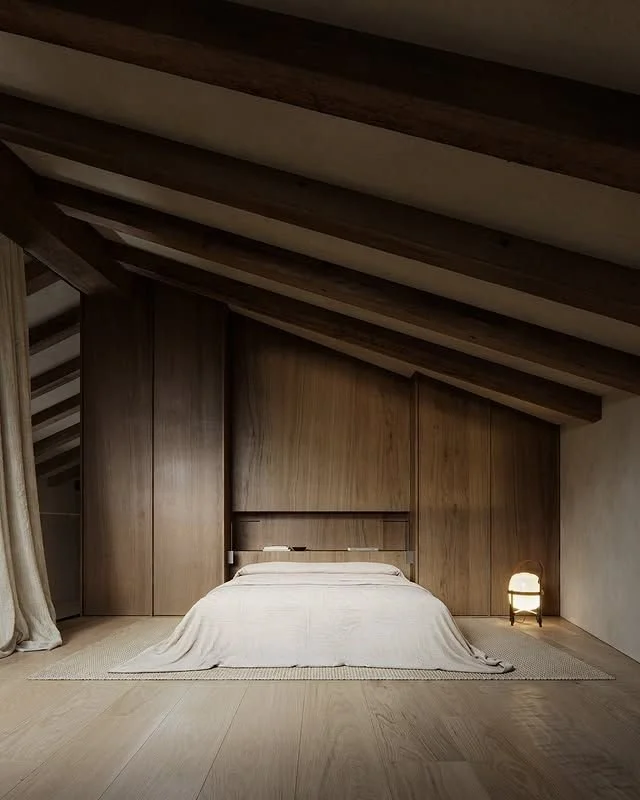
Even within a home, you can create zones of deepening privacy. A living room that faces inward rather than toward the window. A bedroom that does not face the street. A corner where you cannot see the door. These create spaces where you can finally let your guard down completely.
Sensory Coherence
A sanctuary does not assault your senses. It speaks gently to each one. It is visually harmonious, softly tactile, acoustically balanced. Nothing is demanding attention. Everything is working together to create a unified feeling.
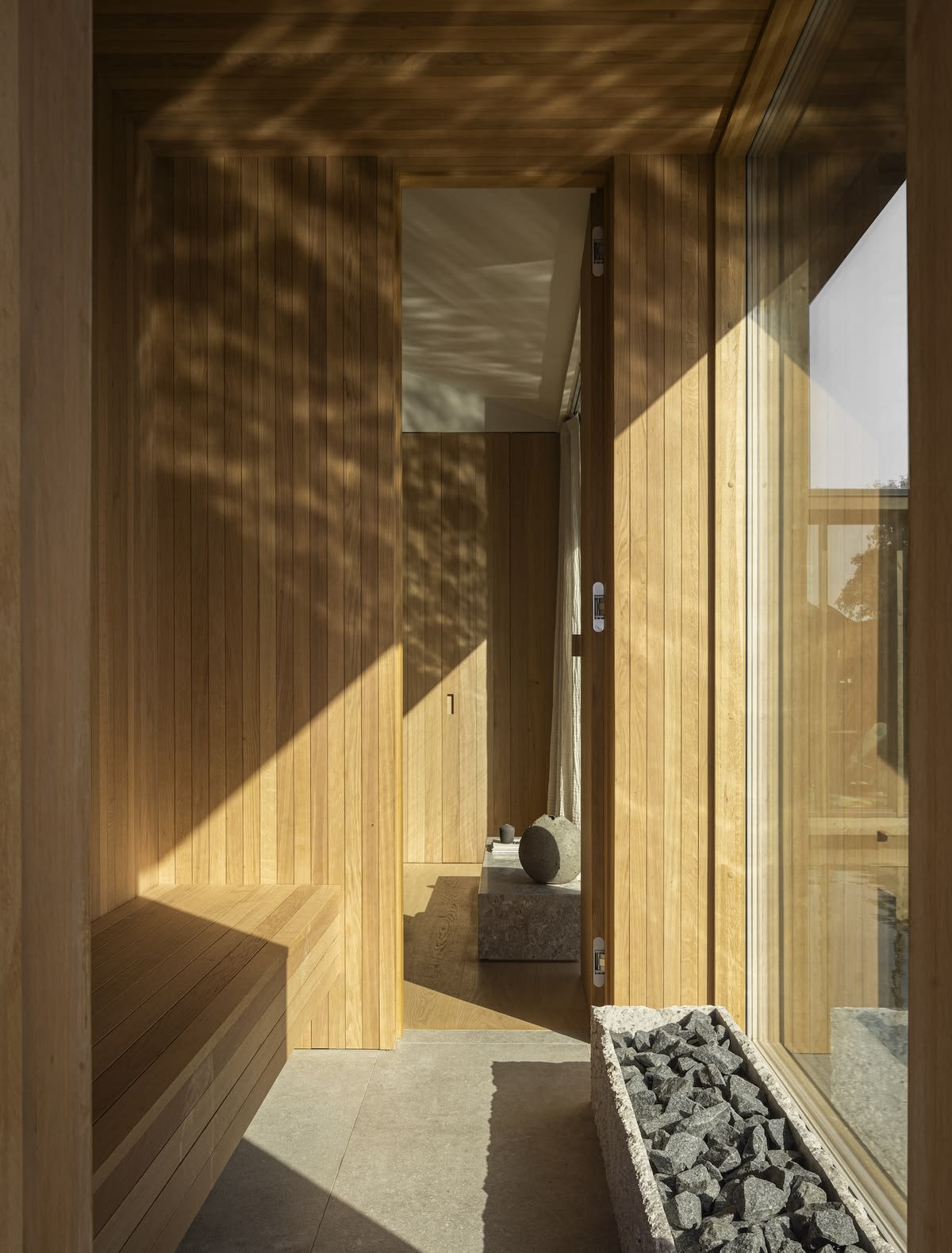
This means choosing a colour palette that feels coherent rather than chaotic. It means selecting materials that feel good under your hand: worn wood, soft linen, smooth stone. It means attending to sound: the gentle echo of footsteps, the absence of harsh noise, the quality of silence in a room.
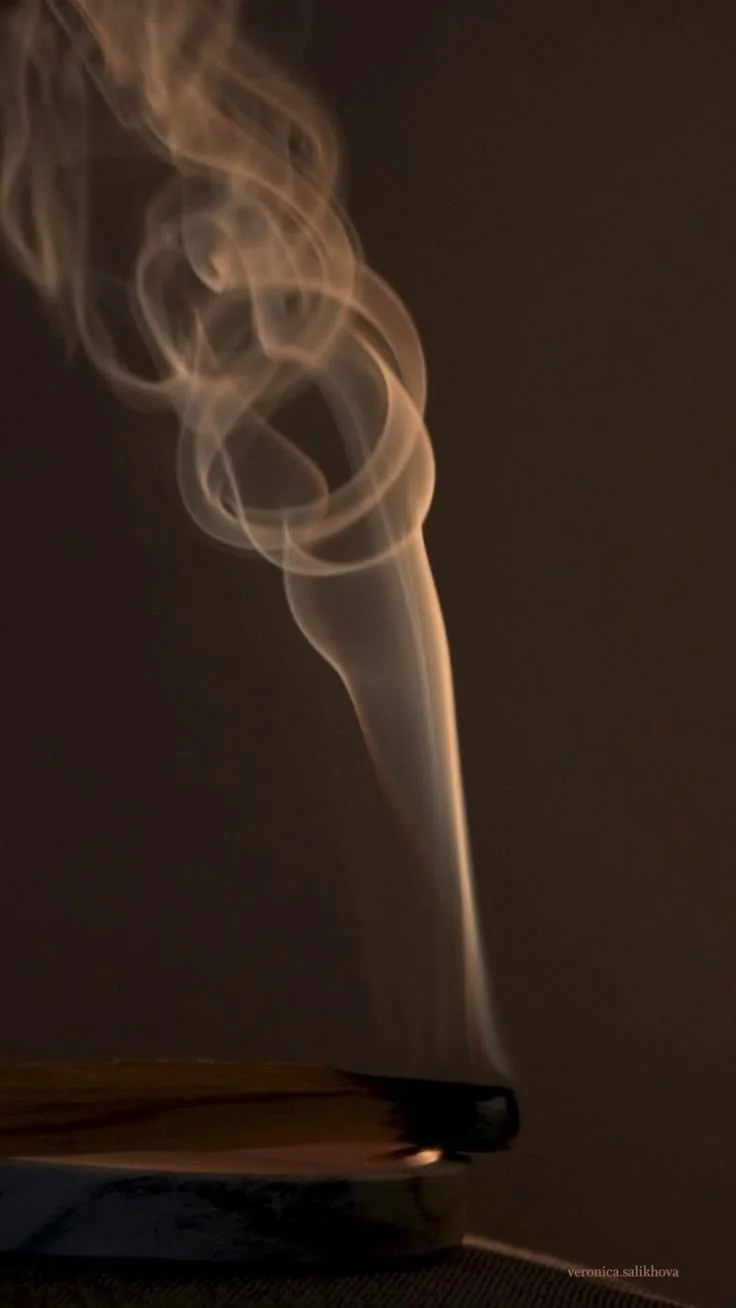
It means considering scent. Not overwhelming fragrance, but the subtle presence of natural materials. The smell of wood, of cloth, of air moving through an open window. These sensory elements that barely register consciously work together to create a feeling of harmony.
When your senses are coherent, your nervous system trusts. It stops bracing. It relaxes.
Ritual and Rhythm
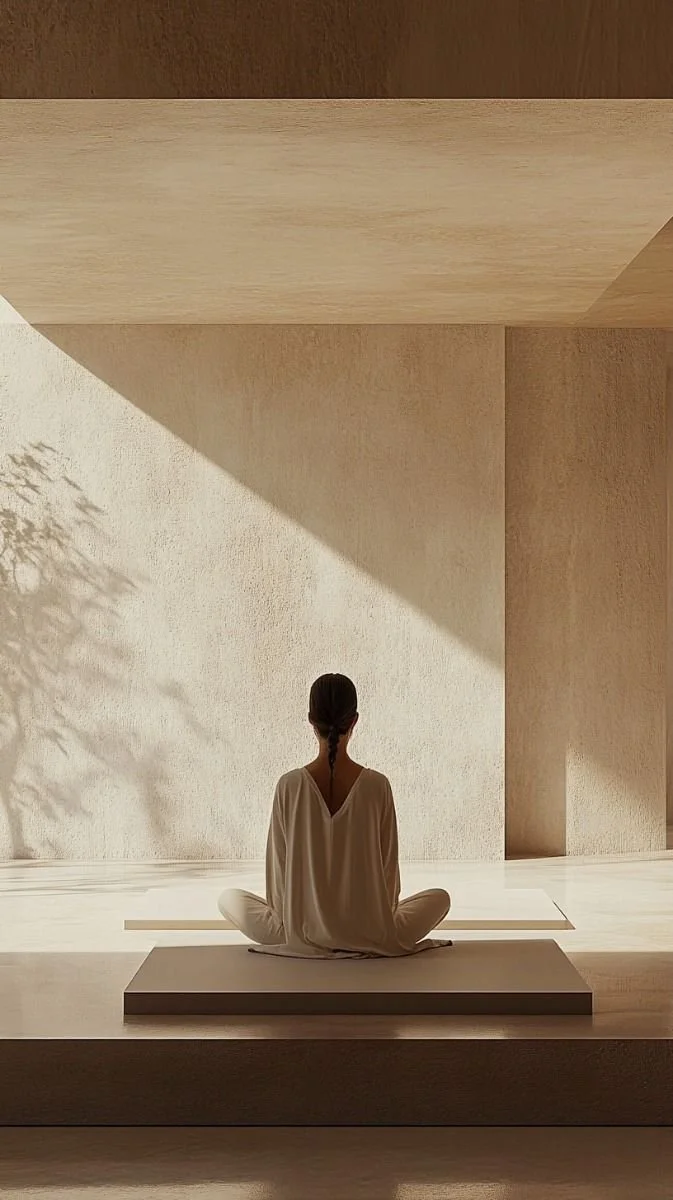
A sanctuary is also a space that holds your rituals. The morning light in a particular window. The way you settle into a chair to read. The time you spend tending to the space. These repeated rhythms create a sense of predictability and control, which are fundamental to feeling safe.
A home becomes a sanctuary not just through how it is designed but through how it is lived in. The rituals you perform there become a language that your nervous system understands. This is home. This is safe. This is where I can be fully myself.
Meaningful Presence
A sanctuary is not empty of meaning. It contains the objects and images that matter to you. Not so many that the space becomes cluttered and chaotic, but enough that you see yourself reflected in it.
A photograph. A painting. An object you have gathered. These remind you of your values, your connections, what grounds you. They say: I belong here. This place knows me. This place was made for me.
The absence of meaning also creates safety. A cluttered space, filled with too many objects and contradictory messages, creates mental noise. Your nervous system cannot rest because it is trying to process too much information. A curated space, where everything has purpose and meaning, creates mental quietness.
Light and the Architecture of Rest
Light is perhaps the most influential element in creating sanctuary. Natural light regulates our sleep patterns, boosts serotonin, reduces anxiety. This is not metaphor. This is biochemistry.
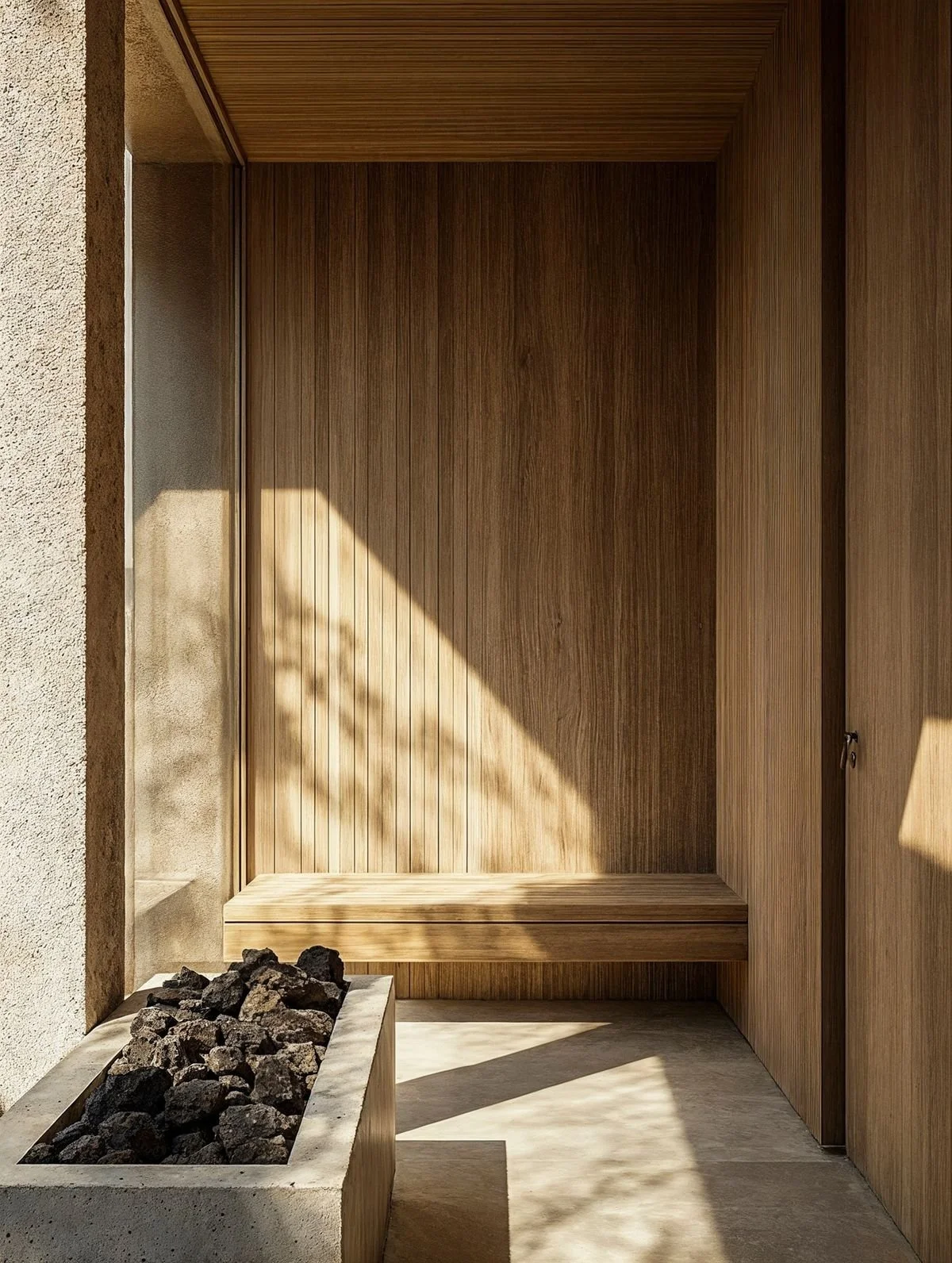
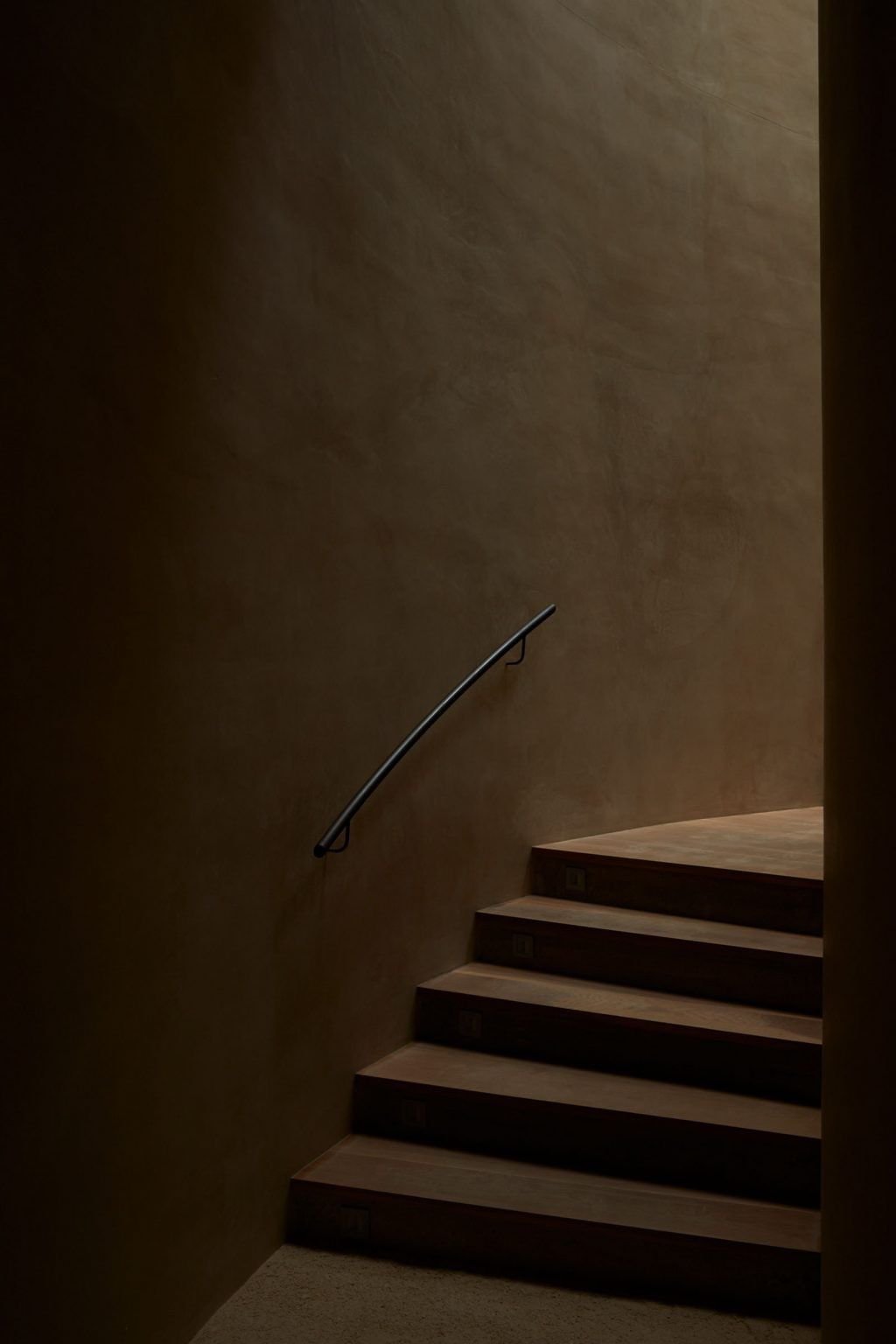
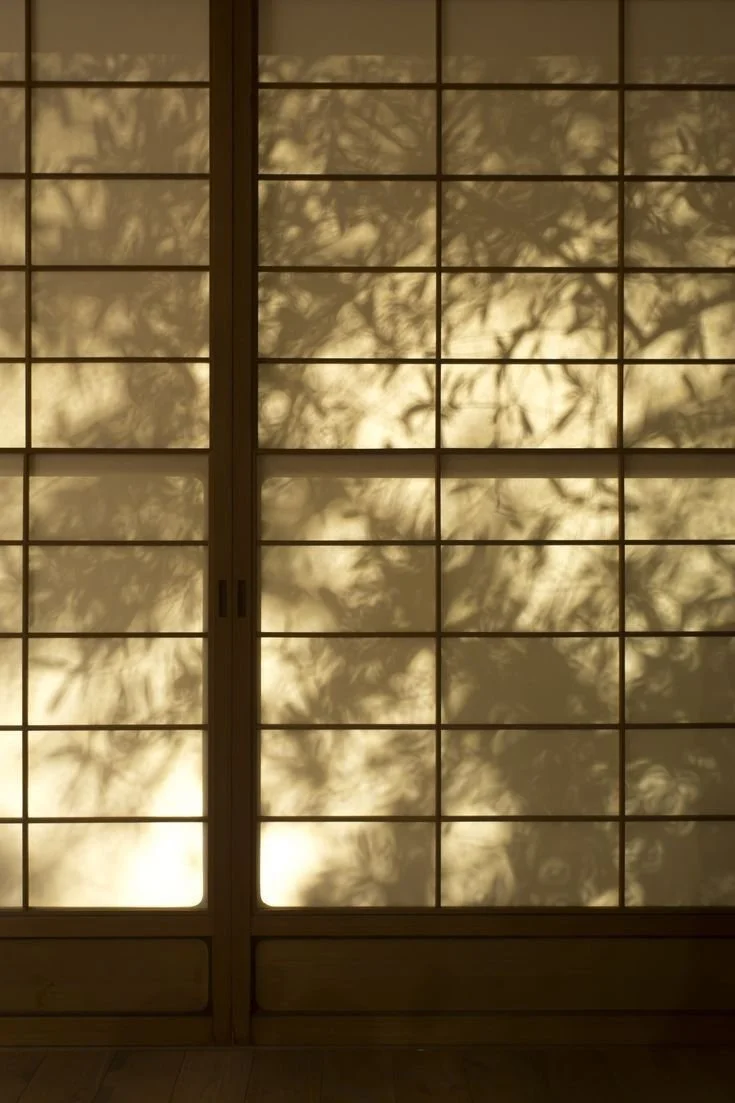
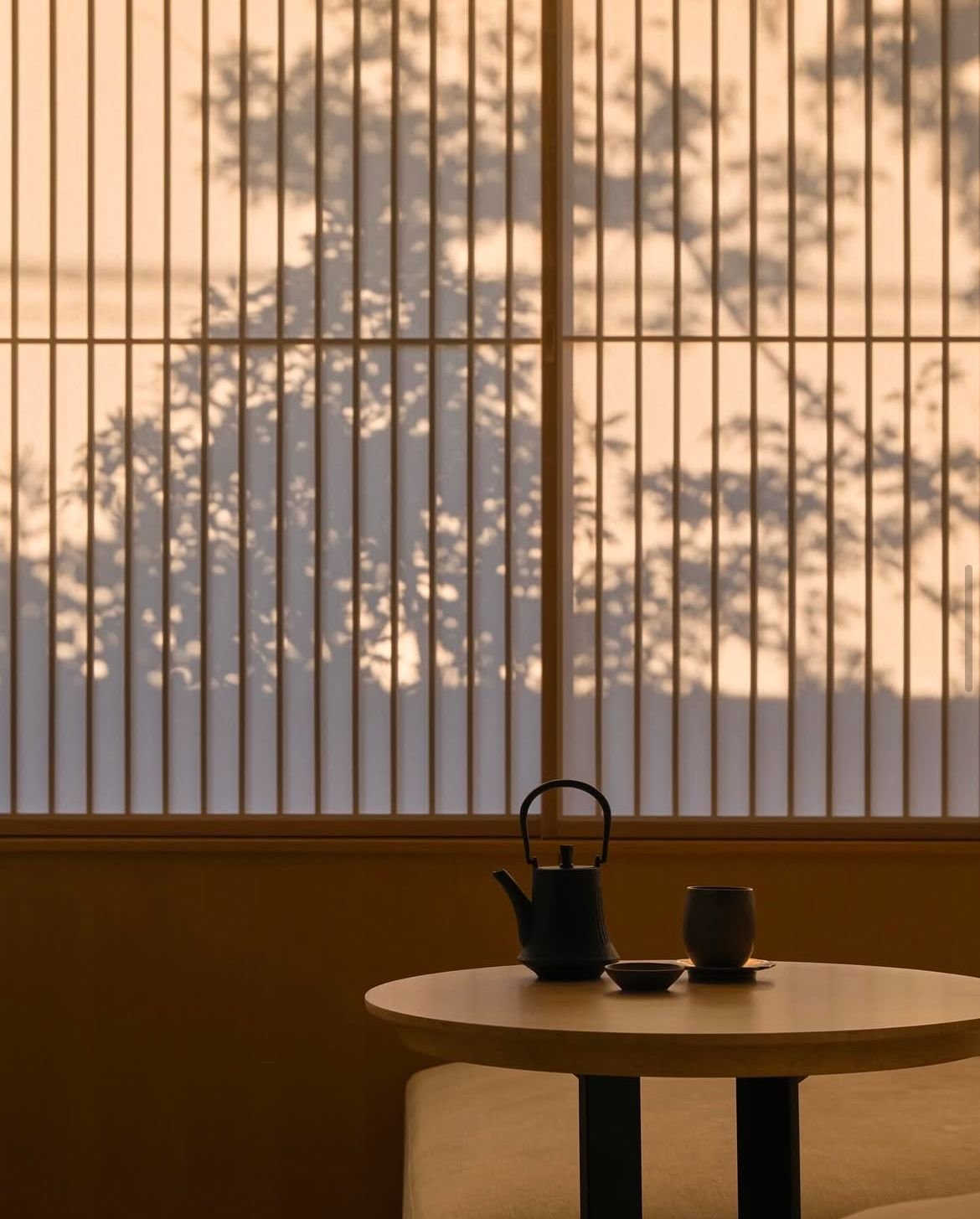
But light must be regulated. Too much harsh, unfiltered light can feel exposing and activating. A sanctuary needs soft light. Light that comes through curtains and diffuses. Light that creates shadows where you can hide. Warm light in spaces meant for rest, cooler light in spaces meant for activity.
Candlelight is uniquely powerful because it is fire reduced to human scale. A candle cannot create harsh shadows. It creates an atmosphere of gentle visibility. Your nervous system recognises candlelight as safe because for most of human history, a fire meant warmth, safety, community.
When you light a candle in your sanctuary, you are speaking a language your body understands.
Privacy: The Foundation of Self
Privacy is fundamental to psychological wellbeing. Not just physical privacy, though that matters. But the right to have an inner life that is not surveilled, not demanded of, not performed for an audience.
A sanctuary must have spaces where you can be unseen. Where no one can look in and assess you. Where you can exist without the gaze of the world upon you.
This might be as simple as curtains that actually close. A bedroom door that locks. A corner where you sit with your back to the entrance so you do not have to worry about being approached. These create what designers call "refuge," and they are essential to feeling safe.
The Rest We Deserve
In a world that constantly demands our presence, our productivity, our performance, a sanctuary is an act of resistance. It says: I deserve to rest. I deserve to be unseen. I deserve to exist without justifying my existence.
Creating a home as sanctuary is not about having the perfect interior. It is about understanding that your nervous system has needs, that you have the right to feel safe, that the space you inhabit shapes the person you become.
A true sanctuary does not announce itself. It does not compete for your attention. It simply holds you. It says, wordlessly, that you are safe here. That you belong here. That you can finally stop bracing and trust that you are held.
And in that trust, something fundamental shifts. Your breathing deepens. Your mind quiets. Your body remembers what it means to rest.
This is the gift of sanctuary. Not beauty, though it may be beautiful. Not luxury, though it may feel luxurious. But the simple, profound gift of a space where you can finally, truly come home to yourself.