Hygge: The Danish Art of Creating Contentment
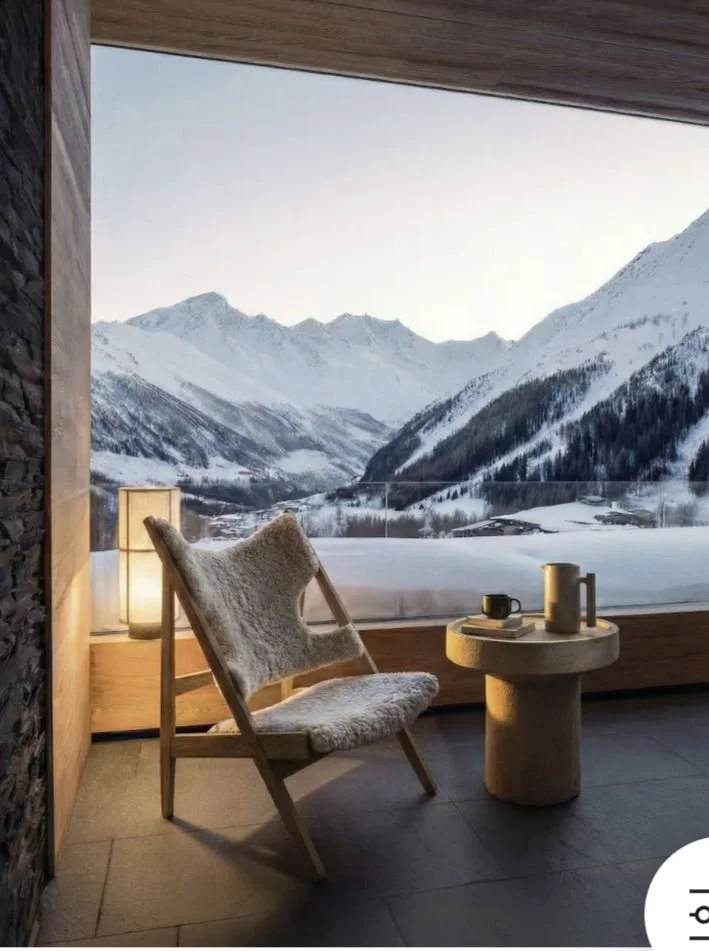
There is a word in Danish that has no direct translation into English, yet when you understand it, you realize you have felt it countless times. It is the feeling of sitting by a window on a dark afternoon with a warm cup of tea in your hands. It is the sound of conversation with someone you trust. It is the way candlelight softens a room. It is safety, warmth, togetherness, and a quiet sense that, for this moment, everything is exactly as it should be.
That word is hygge.
Pronounced "hoo-gah," hygge is often described as coziness, but this translation barely scratches the surface. It is not merely aesthetic. It is not about accumulated comfort objects or a particular style. Hygge is a feeling, a philosophy, a way of being in the world. It is what the Danes have cultivated for centuries as a response to long, dark winters and the human need for warmth, connection, and contentment.
To understand hygge is to understand something fundamental about how we want to live.
The Origins of a Philosophy
Hygge has roots stretching back to the early 1800s in Denmark, though the concept itself emerges from even older origins, tracing to the Old Norwegian word "hugga," meaning to comfort or console. What began as a simple idea about seeking warmth and comfort evolved into something far more profound: a national philosophy of how to find happiness not in grand gestures but in small, intentional moments.
This evolution was born from necessity. Denmark experiences long winters with extended darkness. The sun barely rises. The temperatures drop. For centuries, Danes could have responded with despair. Instead, they responded with intention. They decided to create spaces and moments of warmth, togetherness, and contentment. They decided that within those dark months lived an opportunity not for suffering but for deepening connection and appreciation.
What emerged was not just a design aesthetic but a way of thinking about what makes life worth living.
Hygge Is Not What You Own
One of the most important things to understand about hygge is what it is not. It is not about accumulating beautiful objects. It is not about having the perfect candles or the most expensive blanket. It is not Instagram-able in the way we usually think about beautiful interiors.
Hygge is not material. It is experiential.
This is what distinguishes it from mere coziness or comfort. You can have a room filled with luxurious objects and still not have hygge. Hygge requires presence. It requires that you are actually in the moment, actually with the people around you, actually tasting the tea or feeling the warmth of the light.
Meik Wiking, CEO of Copenhagen's Happiness Research Institute, describes hygge as "an atmosphere and an experience." It is about being with loved ones, about a feeling of home and safety. It is about turning off your phone and turning toward the person across from you. It is about noticing the small thing: the taste of good bread, the sound of rain, the particular way light falls through a window at dusk.
The Elements That Create Hygge
While hygge is not about objects, it does find expression through certain qualities and practices. Understanding these can help you create the conditions in which hygge naturally arises.
Soft Light
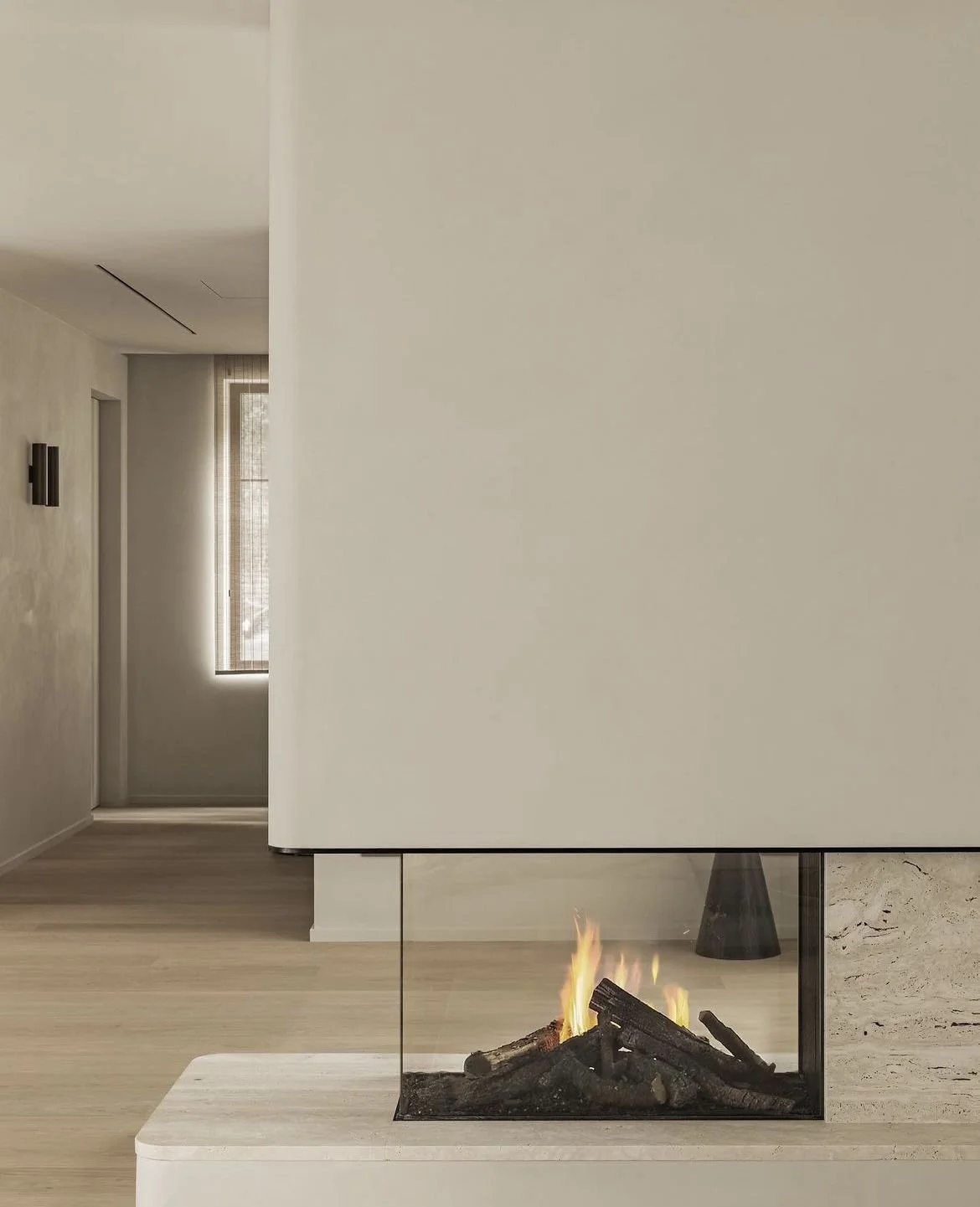
Harsh artificial light destroys hygge. Hygge requires light that feels warm and diffused. Candlelight is the most obvious choice, but it is also the most honest one. A candle is fire reduced to its simplest form. It is human scale. It casts shadows that soften the room and make it feel like a shelter rather than a stage.
Lamplight works too, particularly if it is warm in colour and positioned to illuminate without glare. The goal is light that does not demand attention but instead creates an atmosphere of gentle visibility.
Temperature and Texture
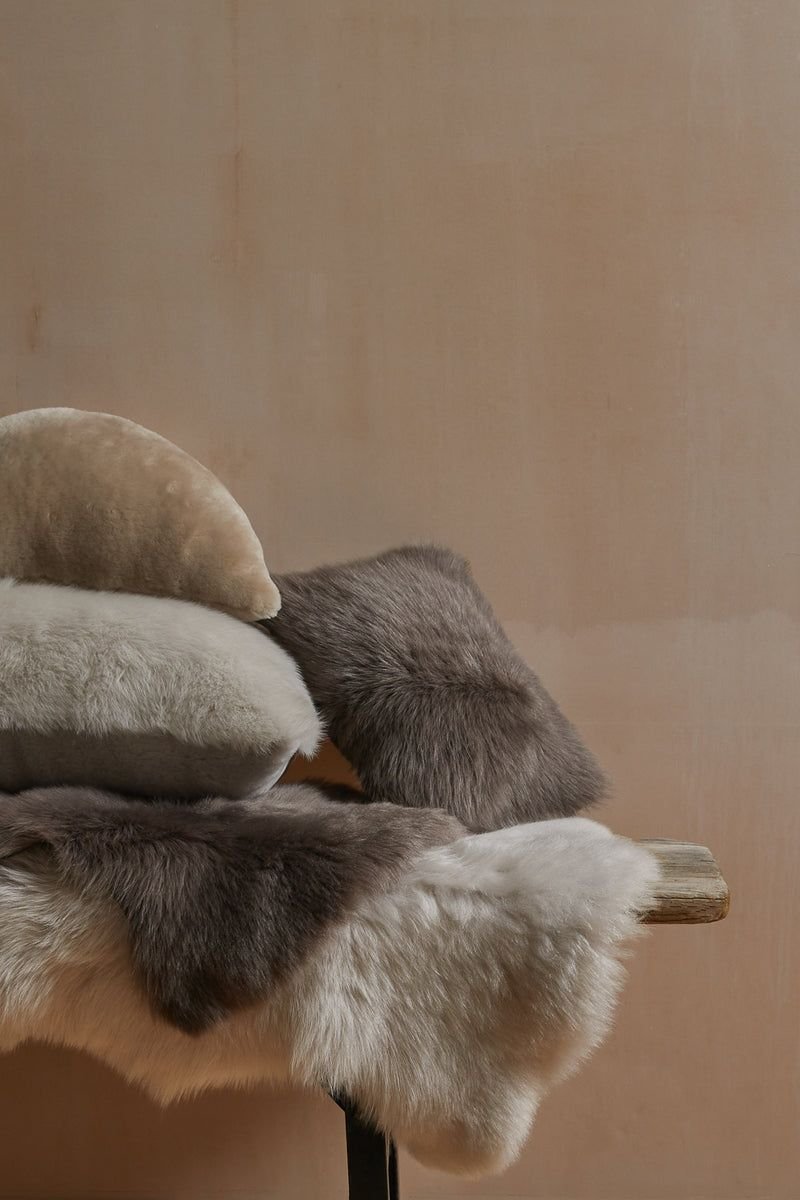
Hygge is physical. It is the warmth of a wool blanket across your lap. It is the softness of linen against your skin. It is the heat of a cup held between your hands. These textures and temperatures matter because they communicate safety to your body. They say: you are held, you are warm, you are cared for.
Natural textiles are essential. Wool, linen, cotton, leather that has aged. These materials have warmth that synthetics cannot replicate. When you wrap yourself in a handwoven blanket, something shifts in your nervous system.
Simplicity and Restraint
A room cluttered with objects cannot contain hygge. Hygge requires space to breathe. It requires that your attention is not scattered across too many things demanding your notice. A simple room, a few good objects, plenty of emptiness. This allows you to settle. This allows your mind to quiet.
Connection
Perhaps most importantly, hygge is fundamentally relational. It is not something you experience alone, though solitude can have hygge qualities. Hygge is about being with others in a way that feels safe and genuine. It is a shared meal. A conversation that matters. Time spent with someone you trust, without phones, without agenda, without performance.
This is why Danes have higher happiness ratings than most of the world. Not because their winters are short, but because they have built a culture around taking time to simply be together.
The Emotional Landscape of Hygge
Hygge is not happiness in the way we often think of it. It is not excitement or achievement or accomplishment. It is something quieter and deeper: contentment. It is the feeling that arises when you stop striving and simply appreciate what is here.
There is something almost melancholic about true hygge. It acknowledges that life includes darkness, cold, difficulty. Hygge does not pretend these away. Instead, it creates a small circle of warmth within them. It says: yes, it is dark outside, and here, with you, it is warm.
This is why hygge has become so appealing in uncertain times. In 2016, when the world felt fractured, "hygge" was shortlisted for Oxford's Word of the Year. People were hungry for a concept that promised not escape from difficulty but a way to move through it with grace and connection.
Creating Hygge in Your Home
If hygge speaks to you, consider how you might cultivate it in your daily life. It begins not with purchasing anything but with releasing certain habits.
Turn off screens. Notice how a room feels without the glow of a television or a phone. Notice how differently you breathe when you are not divided between the person in front of you and the device in your hand.
Light candles. Not as decoration but as a deliberate act. The lighting of a candle is a ritual that says: I am choosing this moment. I am choosing warmth and presence.
Gather around something simple. A good meal does not need to be elaborate. Tea and bread. Soup and bread. The simplicity matters because it removes pretense. Everyone can relax because no one is performing. The conversation can deepen because nothing is demanding attention except each other.
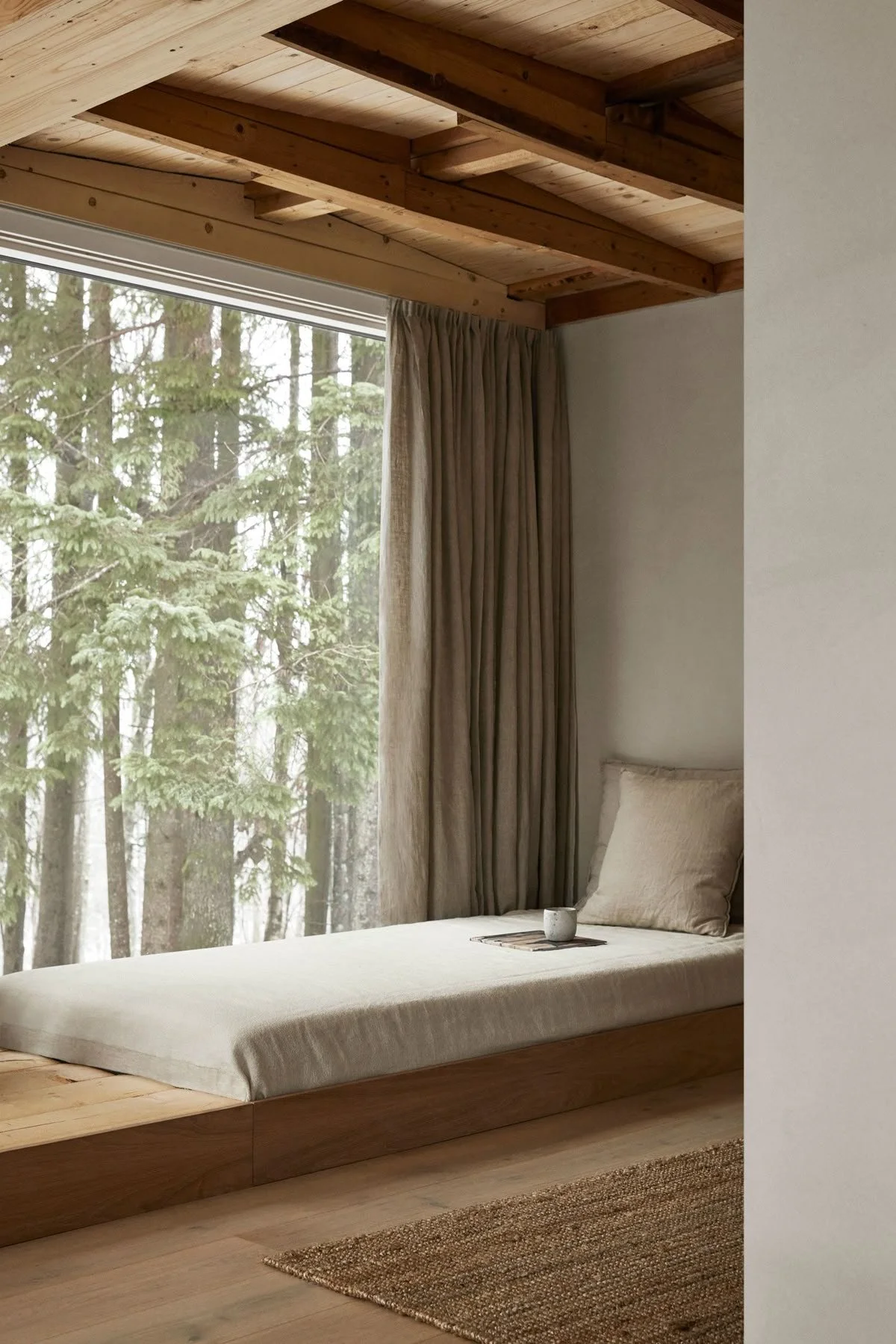
Create spaces in your home that invite lingering. A window seat where light comes in. A corner with a comfortable chair and good light for reading. A table positioned so that sitting there feels intentional, not incidental.
Most importantly, protect time. In a culture obsessed with productivity and optimization, hygge is an act of resistance. It says: some moments exist only to be lived, not to be productive. Some time exists only to deepen connection and rest.
Hygge and the Seasons
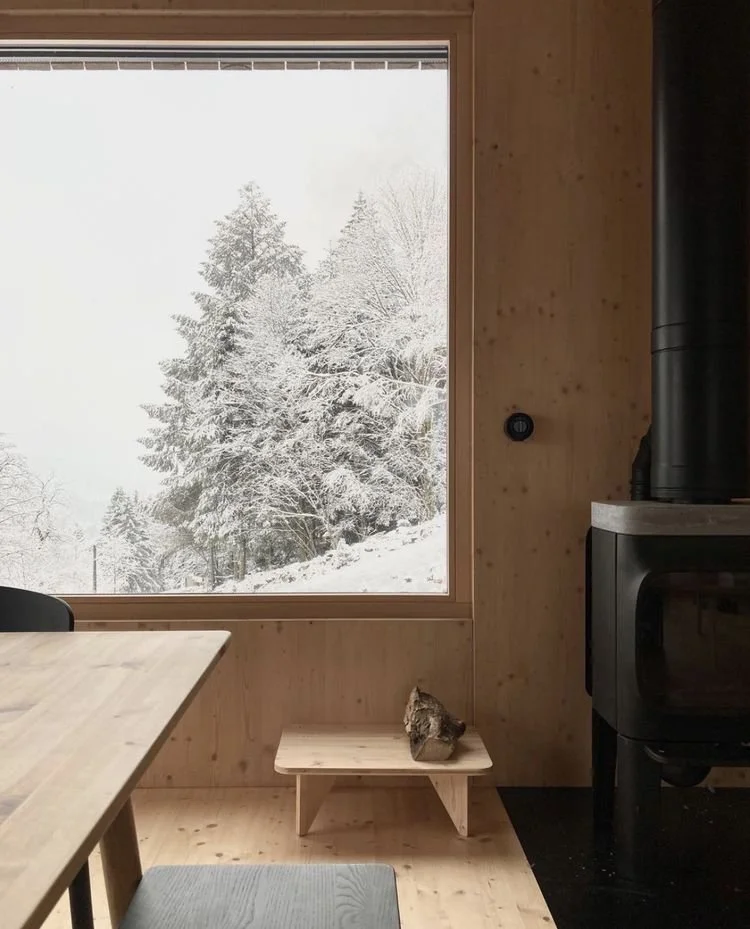
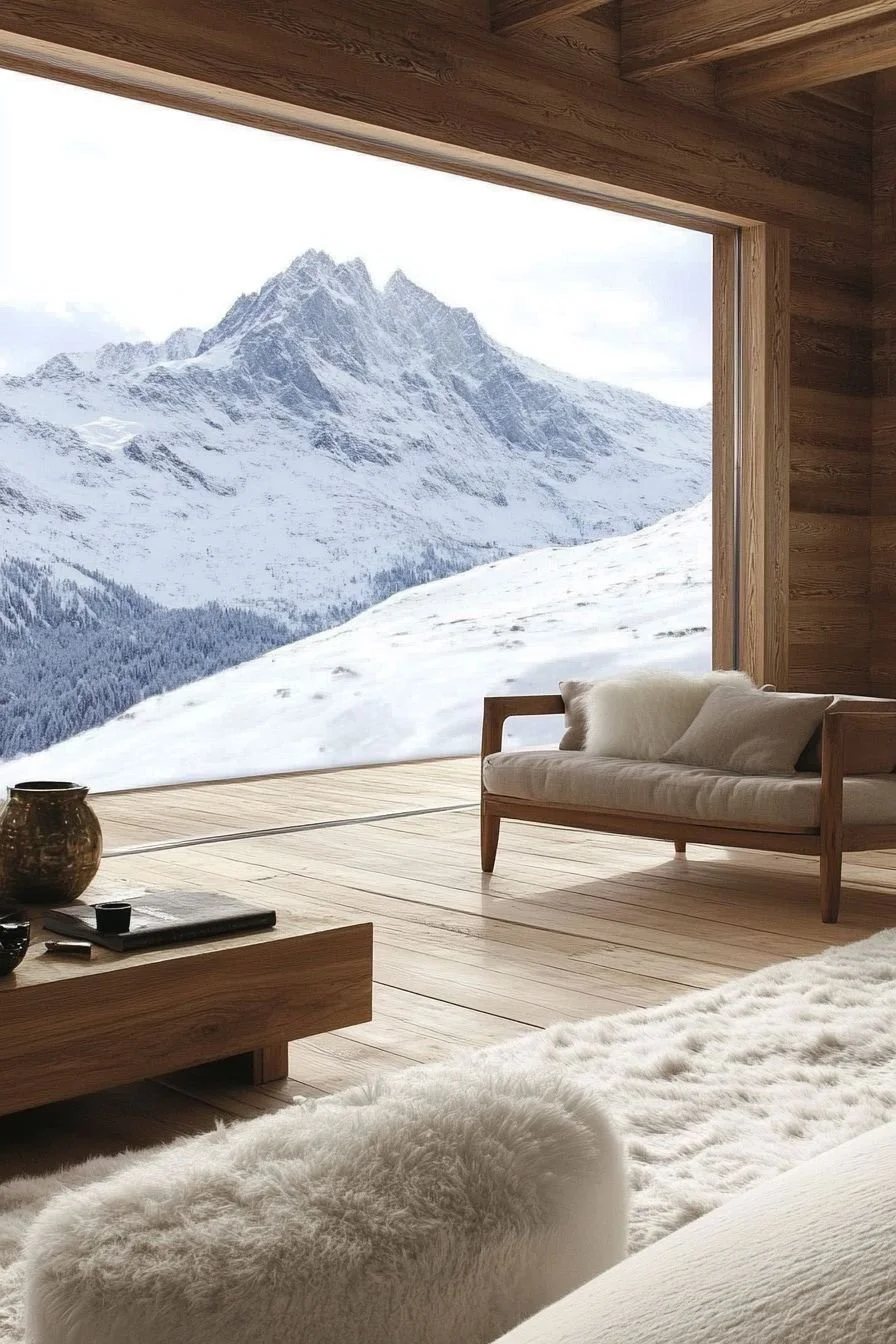
For the Danes, hygge is strongest during the darker months. There is something about winter that invites this quality naturally. The darkness outside makes the warmth inside feel more precious. The cold makes the heat of a cup or a blanket feel more necessary.
But hygge can exist in any season. Summer hygge is lighter. It might be the feeling of sitting outside as the light softens in the evening, with friends and simple food. It is less about creating warmth and more about creating the conditions for genuine connection and presence.
The principle remains the same: slow down, turn toward the people you trust, create space for what matters.
The Antidote We Need
In a world that constantly pushes toward more, faster, bigger, hygge is a quiet rebellion. It says that the good life is not built on accumulation but on attention. It is not measured in productivity but in presence. It is not found in the extraordinary but in the ordinary moments approached with intention and gratitude.
Hygge is what happens when you stop trying to optimize your life and instead simply tend to it with care. When you light a candle not to be aesthetic but to feel held by warmth. When you sit with someone not to accomplish anything but simply because their presence matters to you.
This is what the Danes understand. This is why they survive winters that would crush other spirits. Not because they are emotionally stronger, but because they have built a culture that says: darkness is part of life, and within that darkness, we create light together.
And in that circle of warmth, we find everything we need.