Limewash: The Paint That Breathes and Ages Gracefully
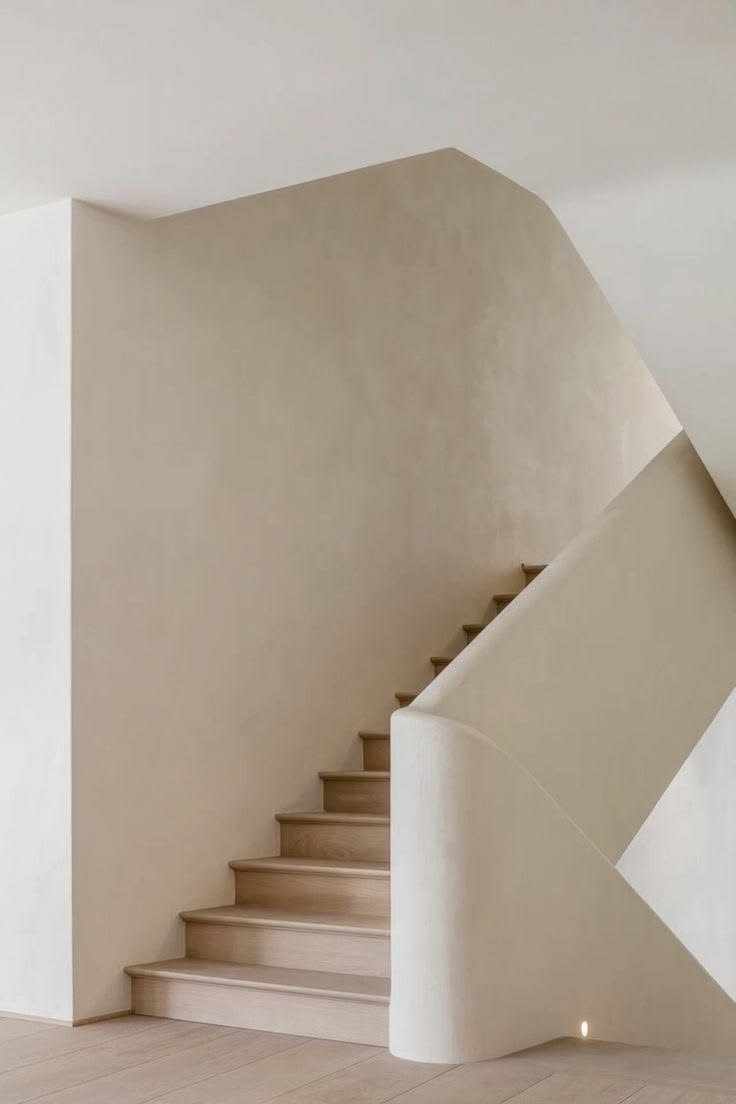
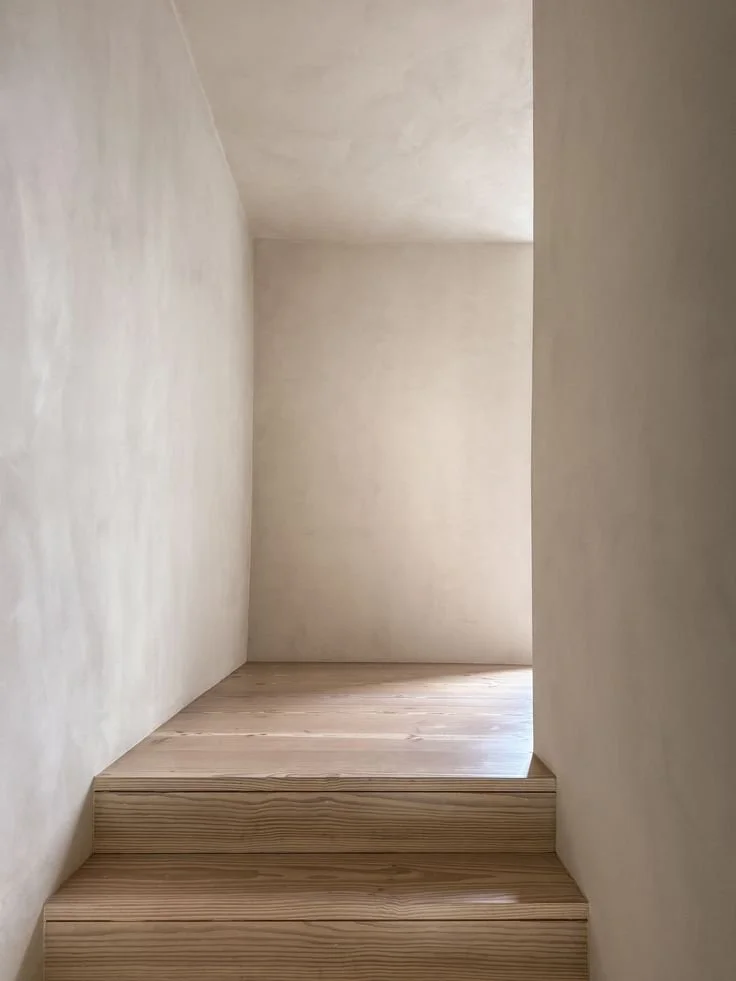
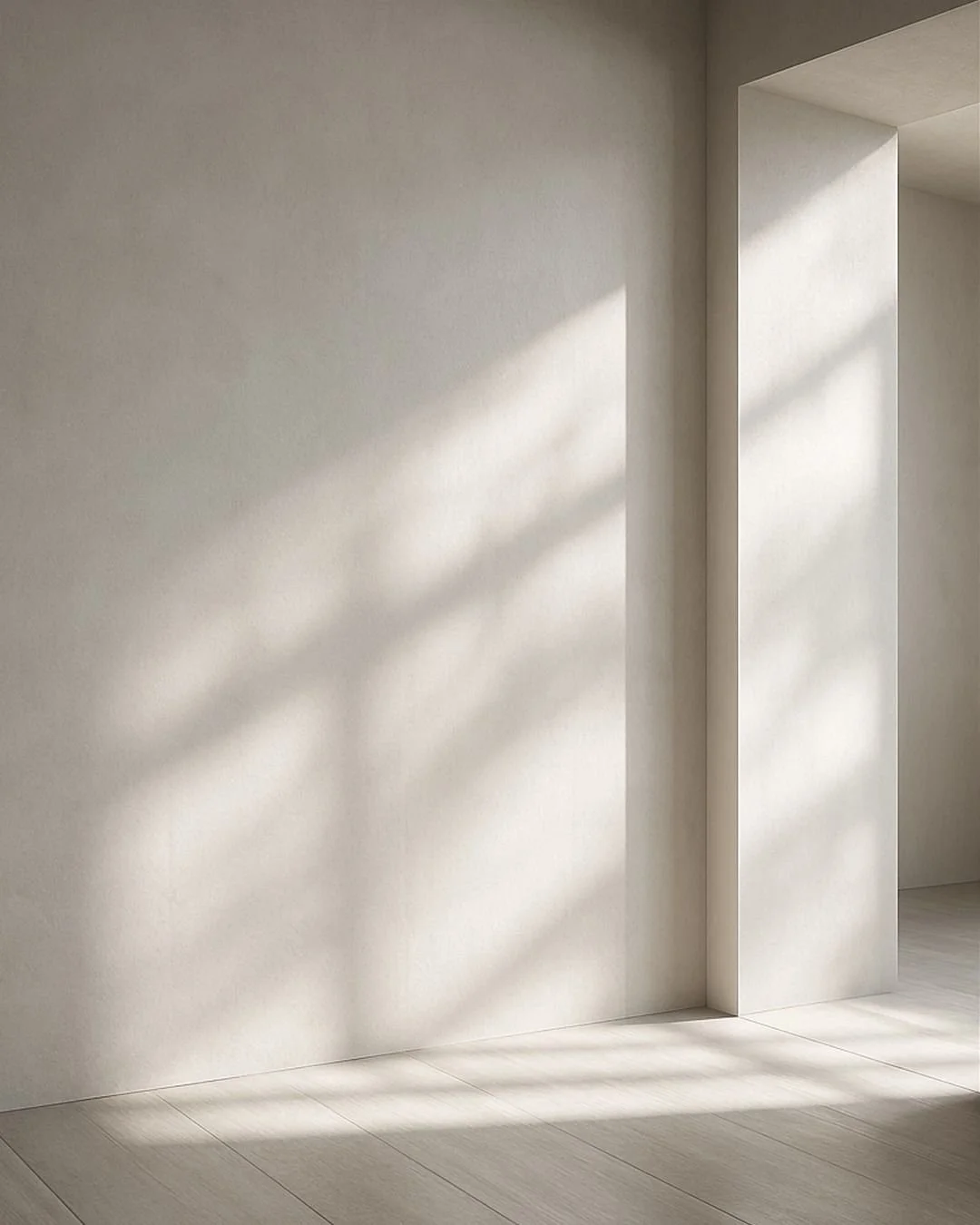
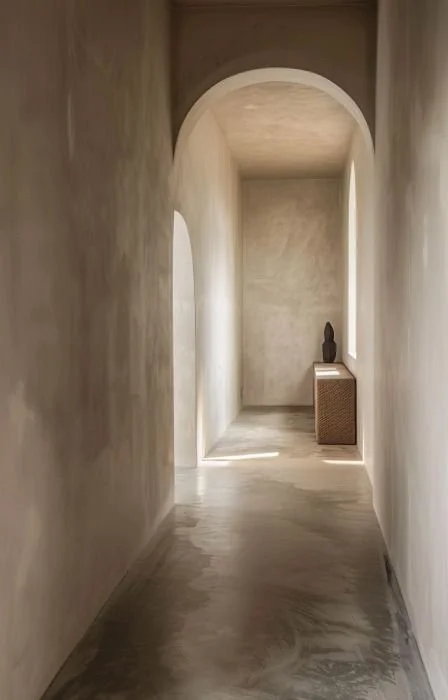
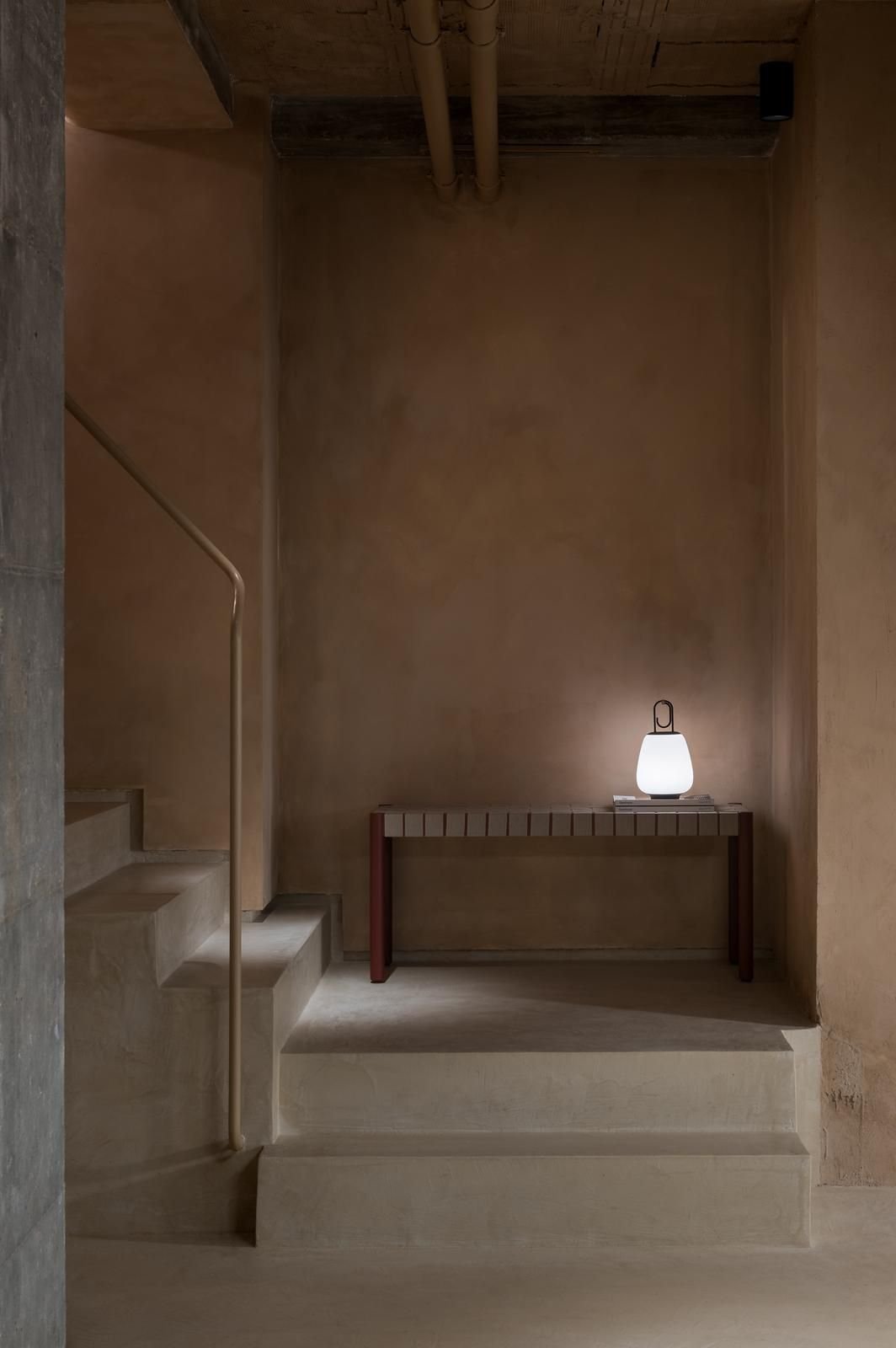
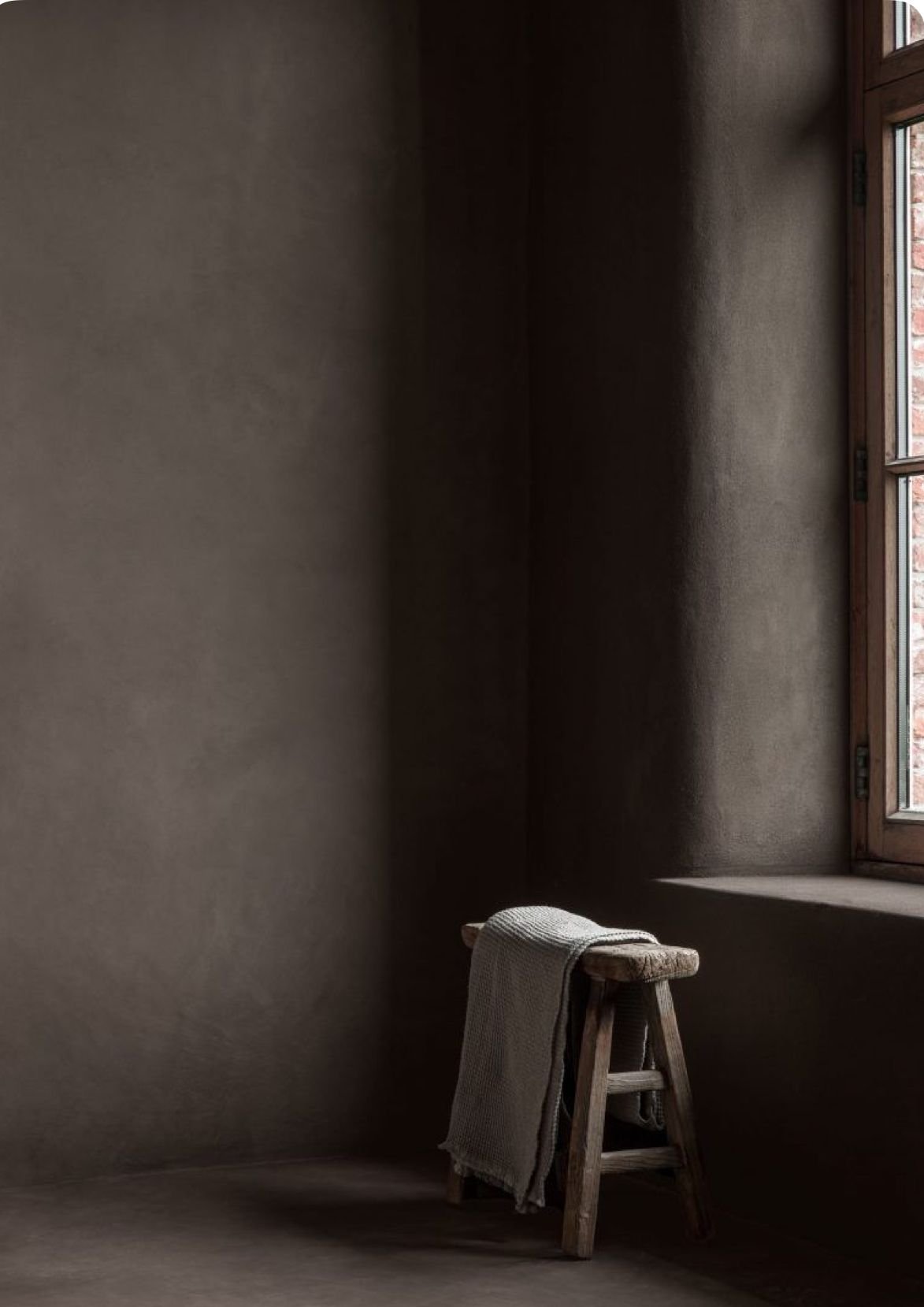
When you walk into a room painted with limewash, something shifts. The walls do not assault you with colour. They absorb light differently than conventional paint. There is a softness to the surface, a subtle texture that catches light and shadow in a way that feels organic rather than manufactured.
This is not accidental. Limewash is one of the oldest painting techniques in human history, used by Romans, by Mediterranean cultures, by craftspeople across centuries. And after a long period where synthetic paints dominated, designers and homeowners are returning to it.
They are returning because limewash does something that modern paint cannot do. It allows walls to breathe. It ages gracefully. It creates spaces that feel alive.
What Limewash Actually Is
Limewash is deceptively simple. It is made from slaked lime, water, and natural mineral pigments. That is all. No synthetic binders, no plastic compounds, no chemicals that off-gas into your home.
When limewash is applied to a porous surface like plaster or brick, it does not sit on top of the wall the way conventional paint does. Instead, it penetrates the material. The lime reacts chemically with carbon dioxide in the air, hardening into calcium carbonate. This is the same compound found in seashells. The result is a finish that becomes part of the wall rather than a layer sitting on top of it.
This fundamental difference in how it bonds to a surface changes everything about how limewash behaves.
The Property That Matters: Breathability
The most important property of limewash is breathability. Because limewash allows moisture to move through it, walls painted with limewash can release moisture rather than trapping it. This is crucial in older homes, where trapped moisture leads to mold, deterioration, and structural damage.
But it matters in new homes too. When you breathe, when you cook, when you bathe, you introduce moisture into your air. In a home with conventional paint, that moisture has nowhere to go. It builds up behind the sealed surface. In a home with limewash, the walls participate in regulating moisture. They become part of the home's respiratory system.
This is why limewash was the finish of choice for hundreds of years. Builders understood, perhaps not scientifically but practically, that walls needed to breathe. Limewash allowed them to do that while still providing protection and beauty.
How Limewash Ages
Conventional paint holds its colour. It maintains a uniform finish until it begins to fail, at which point it peels or discolours in patches. This is the mark of a coating breaking down.
Limewash does something different. It ages. Over time, as moisture moves through it and minerals settle, the colour evolves. A pale cream may develop slightly warmer or cooler tones. A white may acquire subtle shadows. This evolution is not degradation. It is the paint developing character.
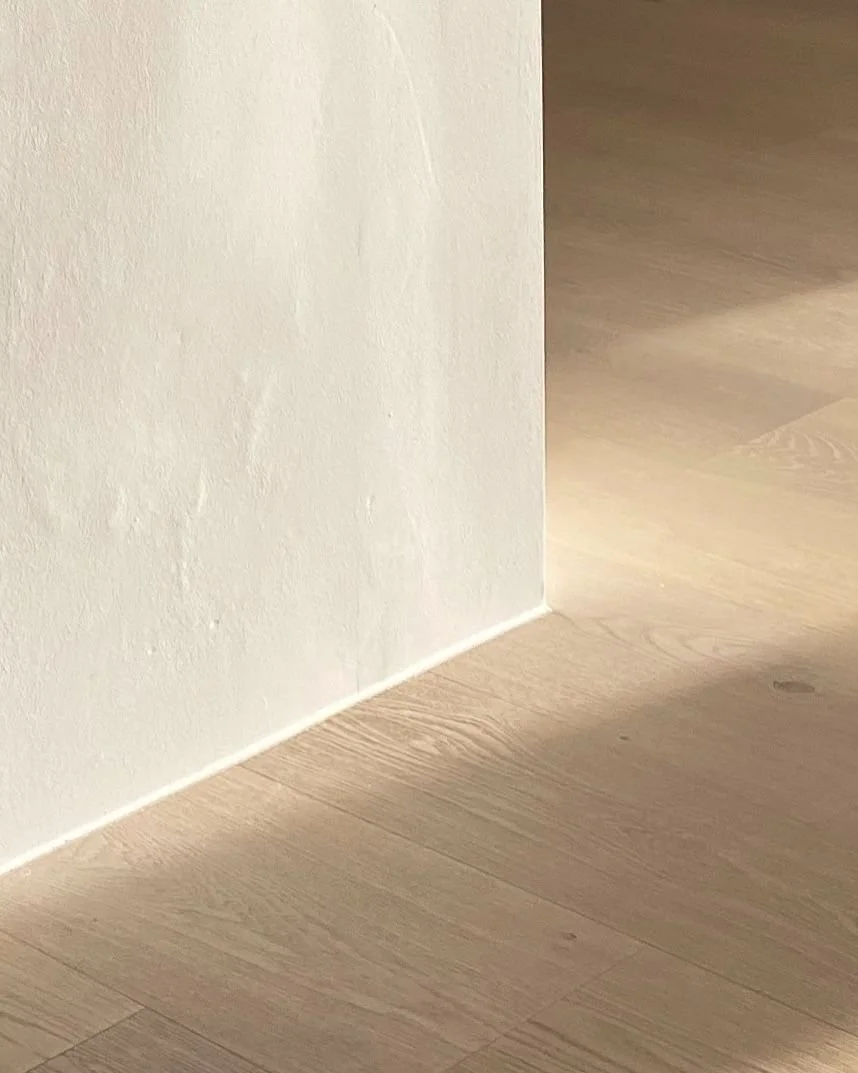
In a space with natural light, limewash catches that light differently as it ages. The subtlechanges in tone and texture mean that the same wall looks different depending on the time of day, the season, the angle you are viewing it from. This is not inconsistency. This is life.
Touch-ups to limewash also blend differently than touch-ups to conventional paint. Where you repaint a wall with acrylic paint, the new paint often looks noticeably fresher than the old. With limewash, the new application blends into the old. The repair becomes part of the wall's history rather than an obvious patch.
The Sensory Experience
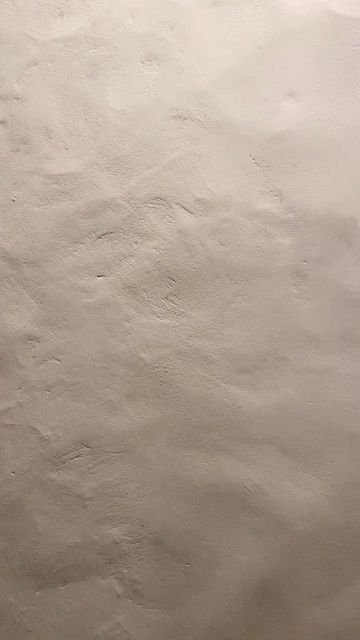
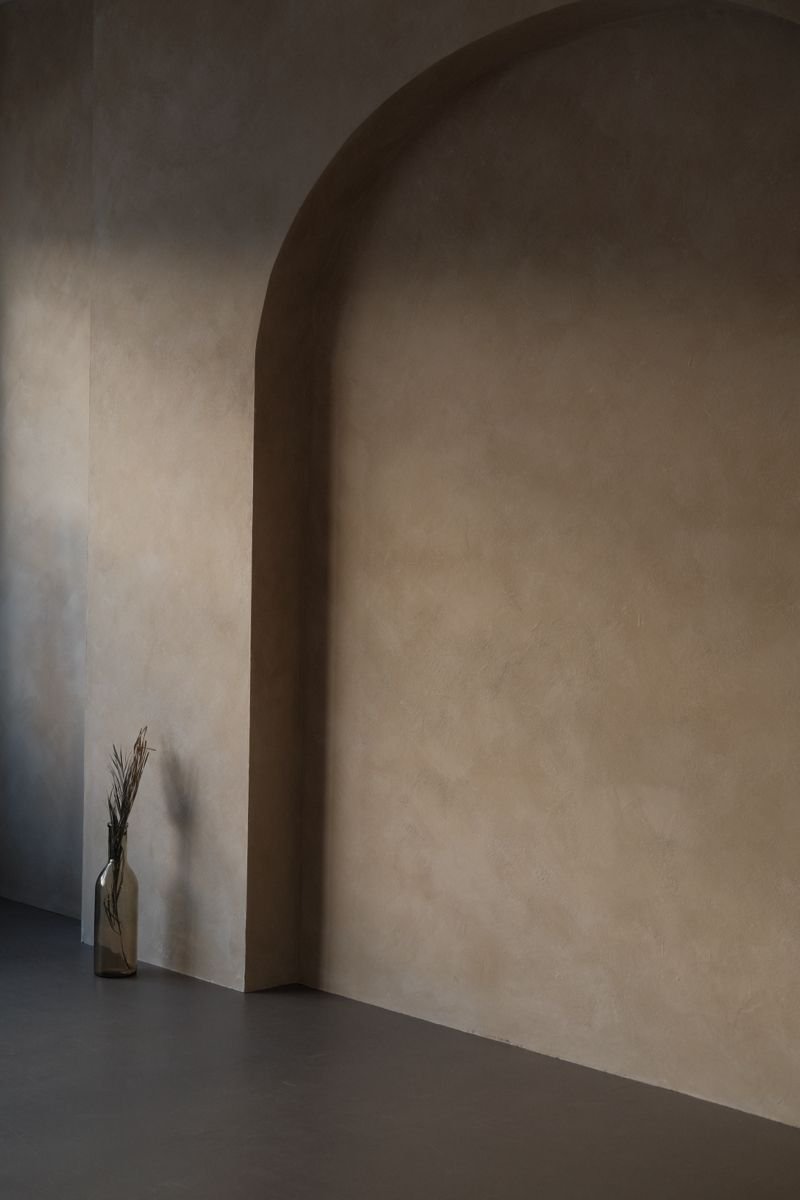
There is something about limewash that affects you sensorially in a way that conventional paint does not. The surface has texture. It is not perfectly smooth and glossy. Instead, it has a subtle matte quality, a slight irregularity that feels natural.
If you run your hand across limewash, it feels different than acrylic paint. It is slightly more porous. Slightly warmer. It does not feel industrial. It feels like a natural material, because it is.
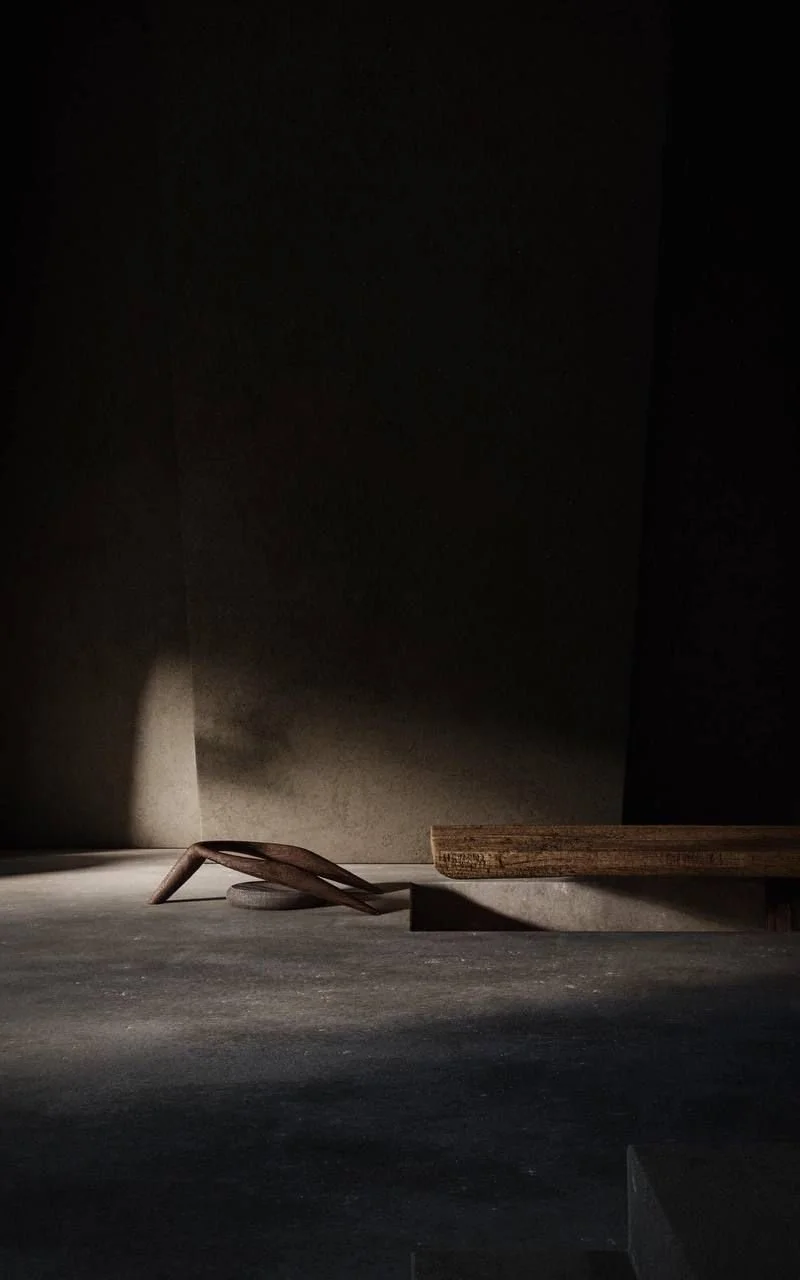
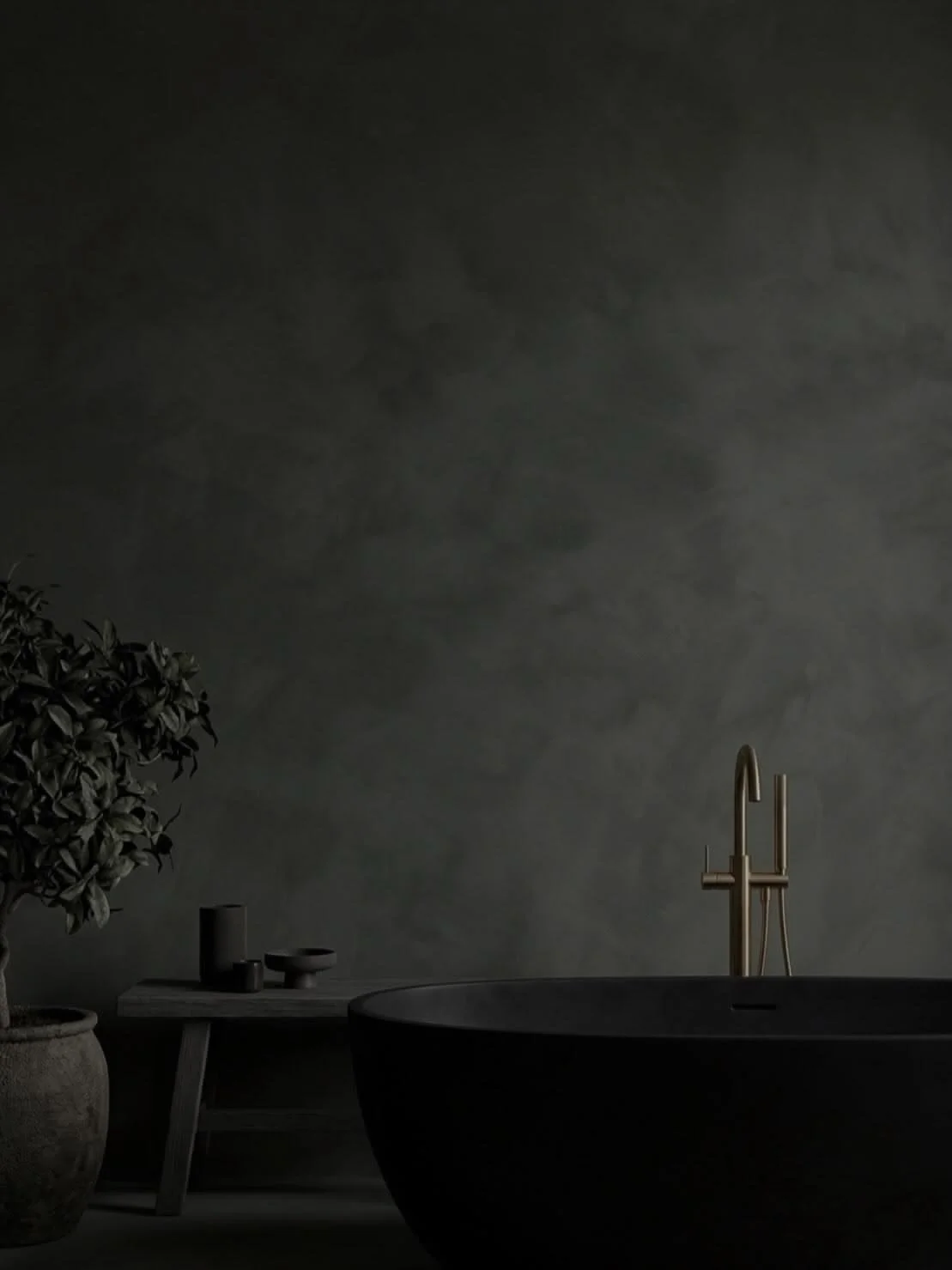
Light moves across limewash differently too. Because of the slight texture and the way the material interacts with light, there is depth. The wall does not feel flat. It feels like it has volume, like it is holding light rather than reflecting it away. This is one reason why a room painted with limewash often feels calmer than a room painted with conventional paint.
The Practical Considerations
Limewash is not perfect. It is softer than conventional paint. It is more vulnerable to staining. Spills can mark it. Heavy cleaning can damage it. It requires different care.
But this vulnerability is also its honesty. Limewash does not pretend that your walls can be pristine and perfect. It acknowledges that walls are lived with. That they will develop marks. That these marks are part of their story.
In kitchens or bathrooms where splashing and moisture are inevitable, limewash requires thought. It is not the right choice for every surface. But in bedrooms, living spaces, hallways, it creates a surface that improves with age and use rather than deteriorating.
Application matters too. Limewash needs to be applied to porous surfaces. It will not adhere well to glossy or sealed surfaces. It requires natural-bristle brushes. It needs multiple thin coats rather than one thick coat. It is a more labour-intensive finish than rolling on acrylic paint.
This is partly why it fell out of favour. Modern paint is faster. It is more forgiving. It is easier. But ease often comes at a cost. In this case, the cost is a surface that feels dead compared to limewash.
Why It Matters Now
We are living through a moment when people are increasingly asking: what is in my home? What am I breathing? How does my space affect my wellbeing?
Limewash answers these questions with honesty. It is non-toxic. It does not off-gas. It contains no VOCs. It has natural antimicrobial properties. It acts as a natural air filter, absorbing odours and helping to regulate humidity.
But beyond the health benefits, limewash represents something else. It represents a refusal to accept that walls should be a perfectly flat, perfectly uniform, perfectly sealed surface. It is a choice to work with natural materials that age, that develop patina, that become more interesting over time.
In a world of mass production and planned obsolescence, limewash is a radical choice. It says: I am willing to accept that my walls will age. I am willing to let them develop character. I am willing to live with a surface that changes rather than one that stays the same.
Using Limewash in Your Home
If limewash appeals to you, consider where it makes sense. Bedrooms, living rooms, hallways—spaces where you are not splashing water or cooking. Spaces where you want a soft, breathing surface that will only improve as it ages.
Limewash works beautifully on plaster. If you have an older home with original plaster walls, limewash honours the material in a way conventional paint does not. The plaster is allowed to breathe. The wall is allowed to be itself.
Choose colours thoughtfully. Limewash is best in soft tones—creams, pale earth colours, soft whites. The texture and depth of limewash is most apparent in these colours. Bright or saturated colours can look flat in limewash, because the material demands a certain restraint.
Live with it. One of the gifts of limewash is that it improves over time. In the first weeks after application, you may notice the colour is slightly uneven. This is normal. As the limewash settles and cures, these variations integrate. The wall becomes more coherent, not less.
The Wall That Breathes
At its heart, the choice to use limewash is a choice about how you want to live. It is a choice to prioritize air quality and natural materials. It is a choice to accept that walls should age. It is a choice to work with time rather than against it.
A wall painted with limewash does not demand perfection. It does not need to be spotless. It gets better the longer you live with it. It develops a patina that tells the story of the years you have spent in that space.
This is what it means to choose materials that breathe. Not just the walls, but the whole relationship between your home and the life you live in it becomes alive.