Danish Design and Craftsmanship: The Philosophy of Honest Making
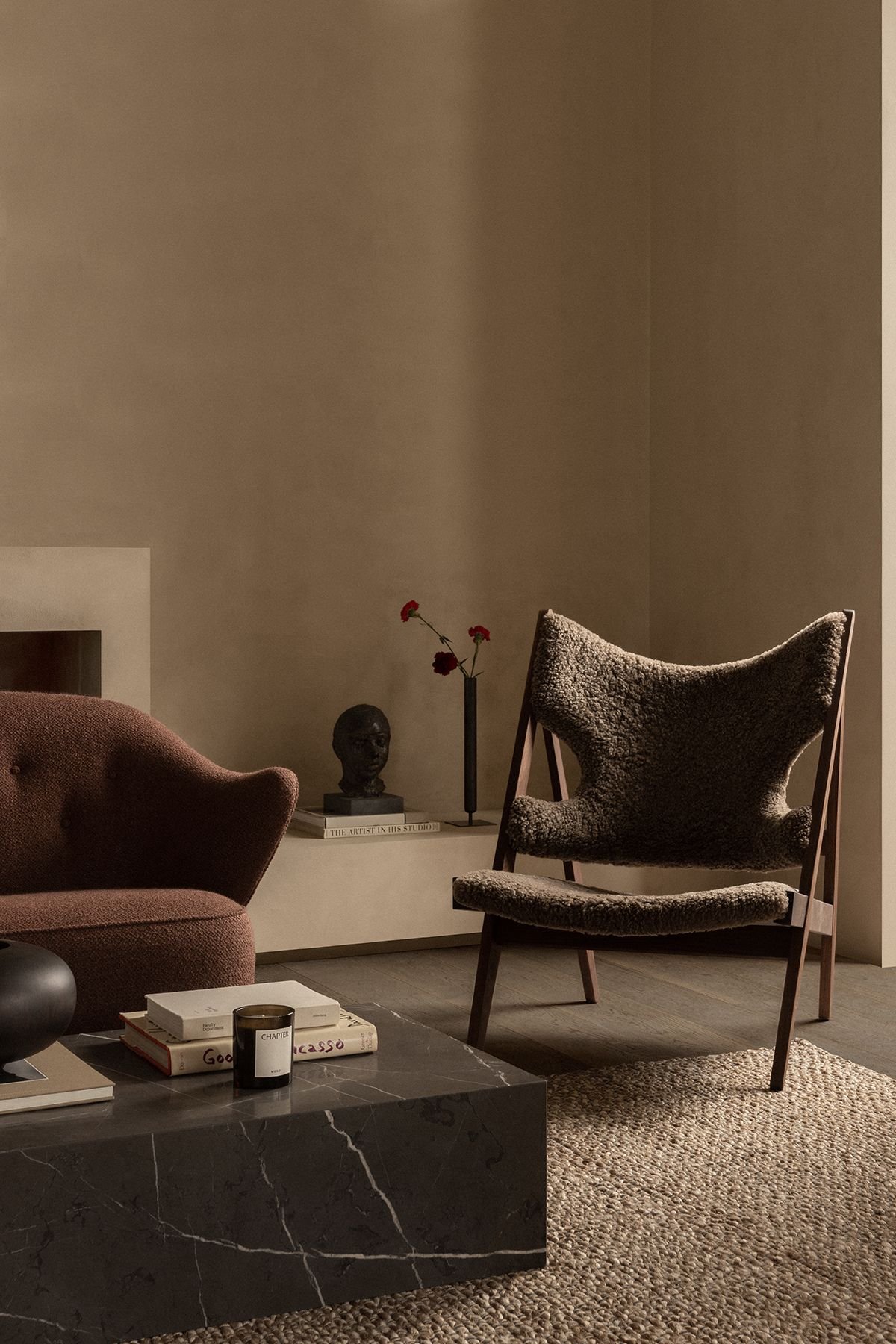
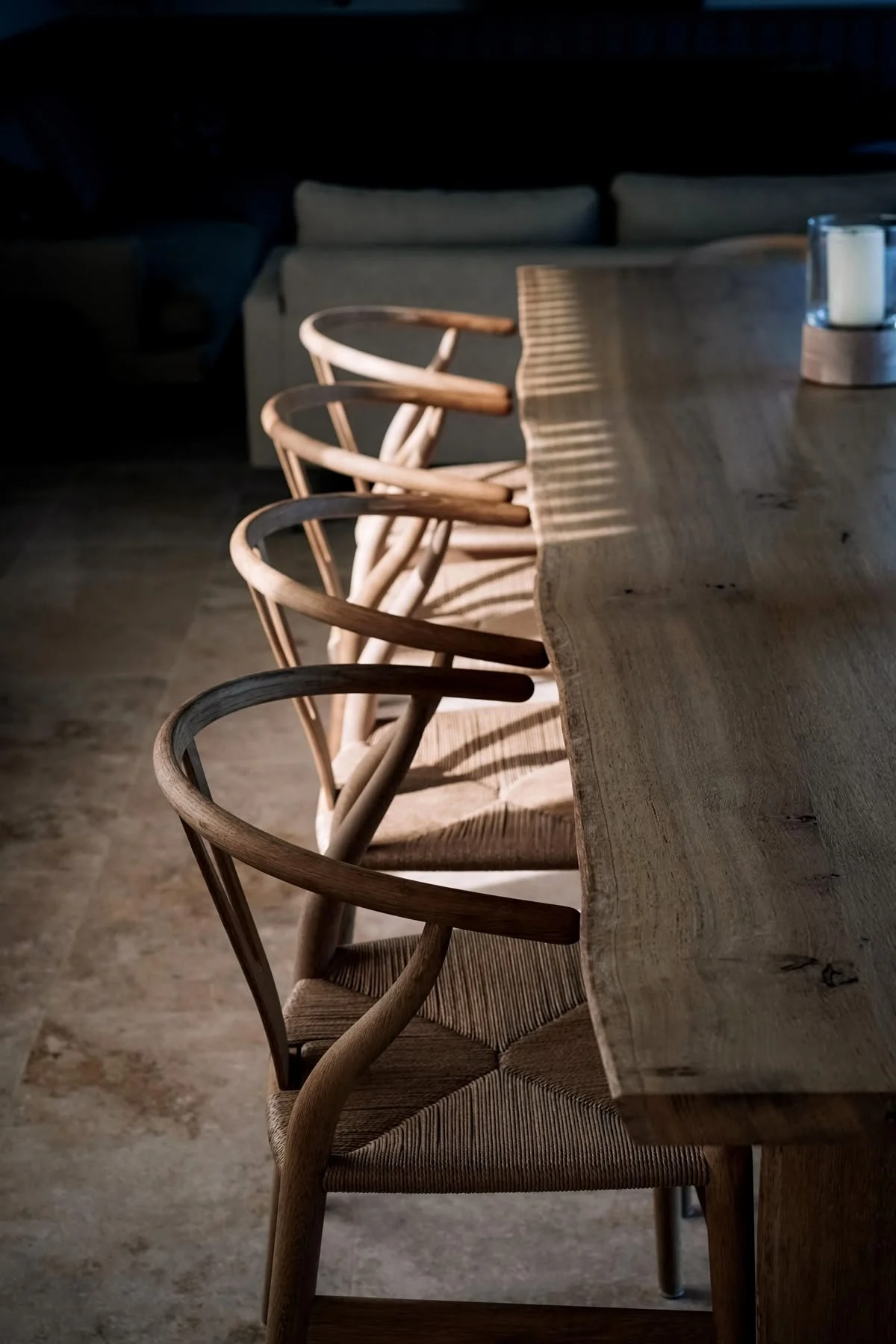
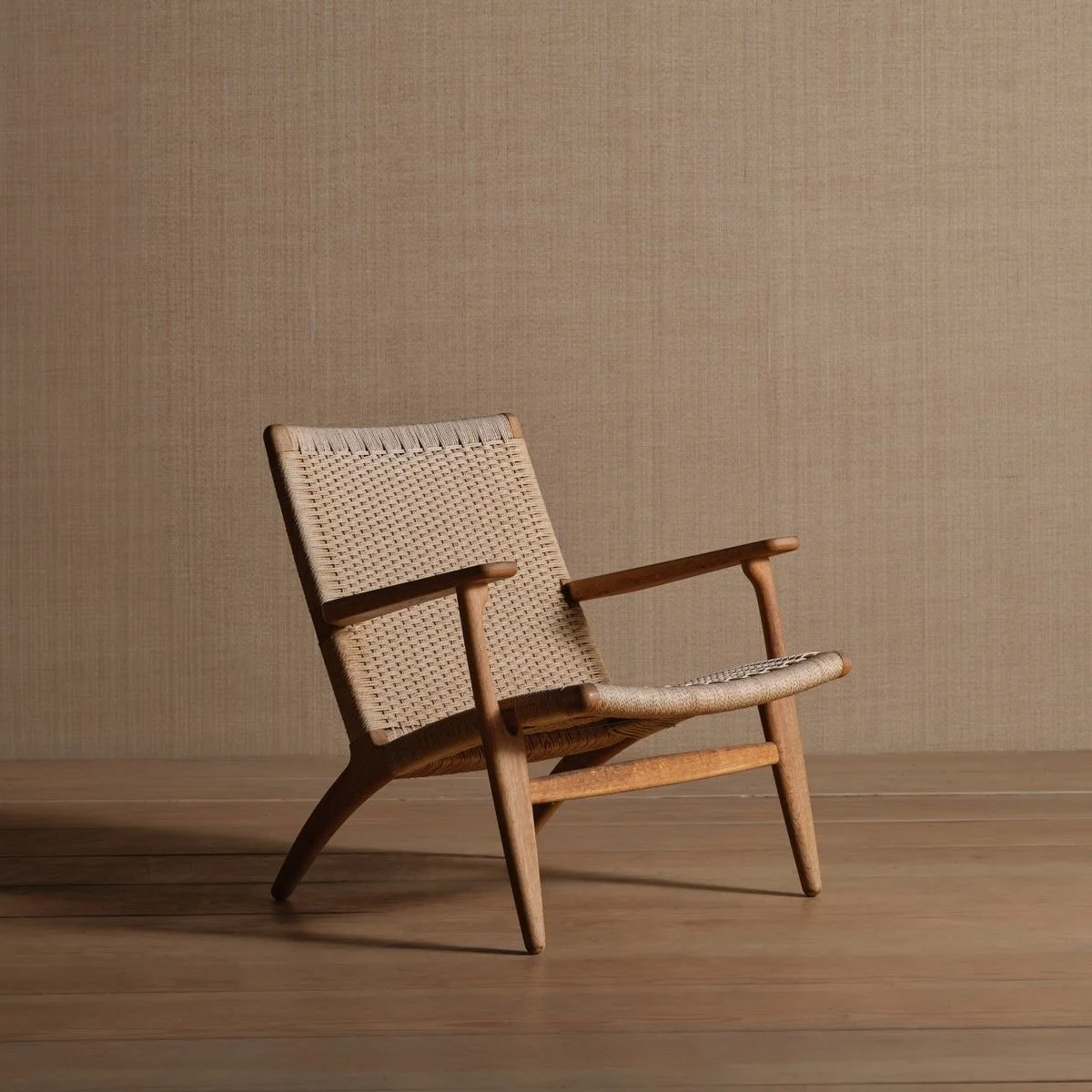
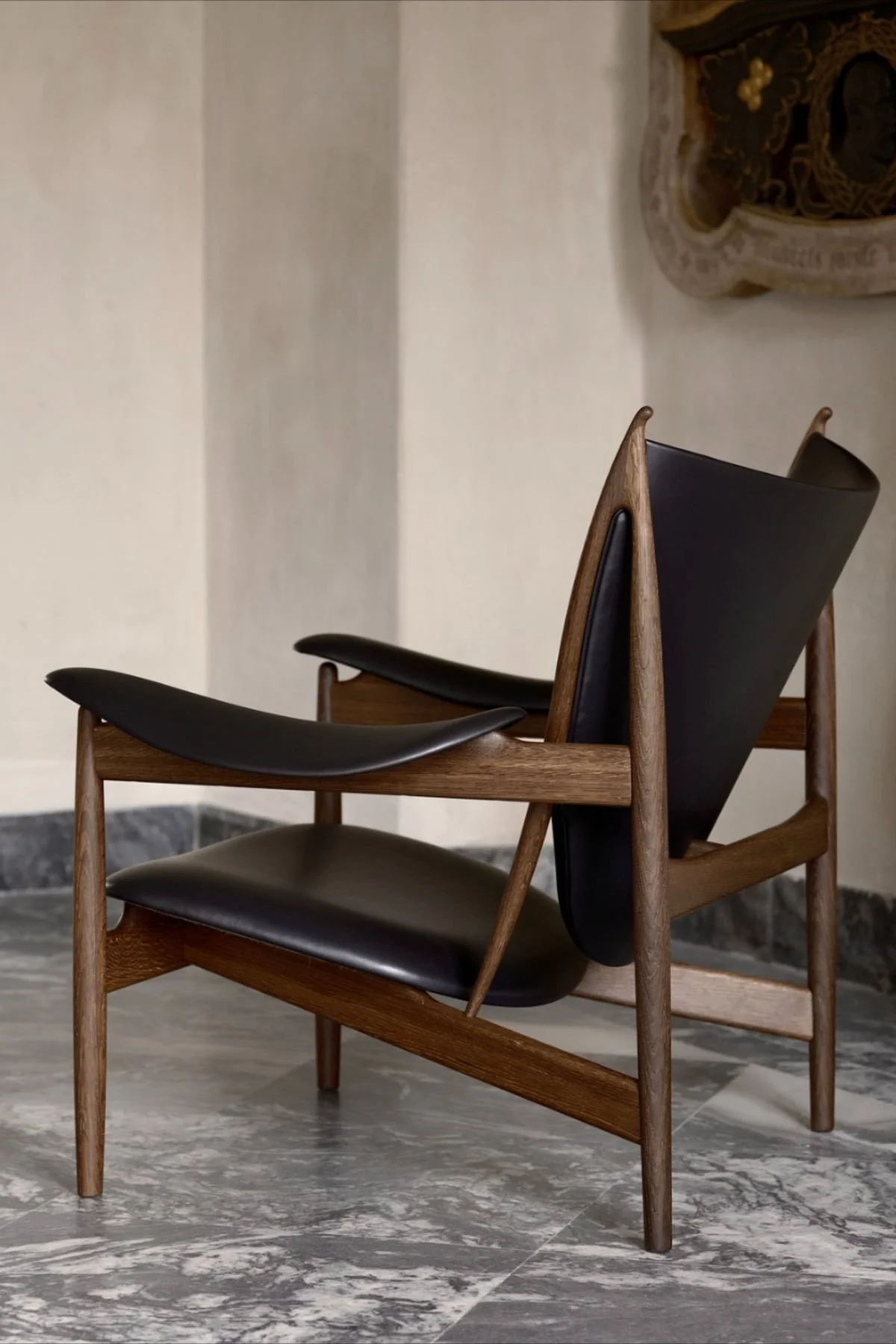
There is a wooden chair, designed in Denmark in the 1950s, that sits in homes around the world today. It is not ornate. It does not announce itself. What it does is exactly what it was meant to do: support you with grace, year after year, decade after decade. You sit in it and forget about the chair because the chair simply works. This is the essence of Danish design.
To understand Danish design is to understand a culture that has long believed that good design is not something you admire from across the room. It is something you live with, use daily, and come to love more deeply as it ages. It is design that serves you rather than demands your attention.
This philosophy emerges not from luxury or excess, but from necessity, from craft, and from a deep belief that the most beautiful things are those that are useful, honest, and built to last.
The Roots of Danish Craftsmanship
The story of Danish design does not begin with the mid-century modern movement that brought it global fame. It begins much earlier, woven into the very fabric of Danish culture.
The Vikings, often remembered for conquest, were in fact organized and aesthetically conscious, as evidenced by their efficient designs and craftsmanship. This early attention to both function and form set a cultural tone that would persist for centuries.
Through the Baroque period and beyond, Danish artisans absorbed influences from across Europe. They took what they learned from French and Italian design traditions, but they adapted it through their own lens. They did not copy. They absorbed and transformed.
What emerged was distinctly Danish: a synthesis of European elegance tempered by Nordic practicality. Beauty married to function. Ornament serving a purpose rather than existing for its own sake.
The Industrial Shift
The nineteenth and early twentieth centuries brought dramatic change. Handcrafting remained in place far longer in Scandinavia compared to the rest of Western Europe and America, due to the late arrival of industrialization to the region. This delay was not a disadvantage. It meant that Danish craftspeople had centuries of tradition still alive in their hands when modern techniques became available.
The genius of Danish design lies in how it married these two forces. Rather than abandon handcraft for industrial production, Danish designers used industrial techniques to democratize craft. They asked: how can we make beautiful, well-made objects available to everyone, not just the wealthy?
Børge Mogensen embodied this philosophy, creating furniture designed to serve people rather than exist as art objects. His vision was to craft pieces that enriched everyday life, with a focus on durability and functionality. This was radical thinking. It meant that a chair for an ordinary family's kitchen table deserved the same thoughtfulness as a chair for a palace.
The Masters of the Movement
In the mid-twentieth century, Danish design found its voice through figures who became legendary. Hans J. Wegner, known as the "Master of the Chair," blended traditional craftsmanship with modern aesthetics, emphasizing comfort, functionality, and deep respect for materials. His chairs did not try to be sculpture. They tried to be perfect chairs. That was their art.
Arne Jacobsen, with an architectural background, created sculptural, organic shapes while maintaining comfort and function. His designs proved that modernism need not be cold or austere. It could be warm, sensual, and deeply human.
These designers shared something fundamental: they respected the material they worked with. They understood wood. They understood how light moves across a surface. They knew the difference between designing something and designing something that serves the person who will use it.
The Philosophy That Endures
At the heart of Danish design sits a set of core values. In 2017, the Danish Design Council identified values central to the Danish ethos: durability, simplicity, craftsmanship, and social consciousness. These are not aesthetic preferences. They are ethical commitments.
Durability means making something that lasts. Not because it costs more initially, but because you refuse to participate in a cycle of disposable goods. A well-made wooden table should outlive the person who buys it. A chair should be something you pass on.
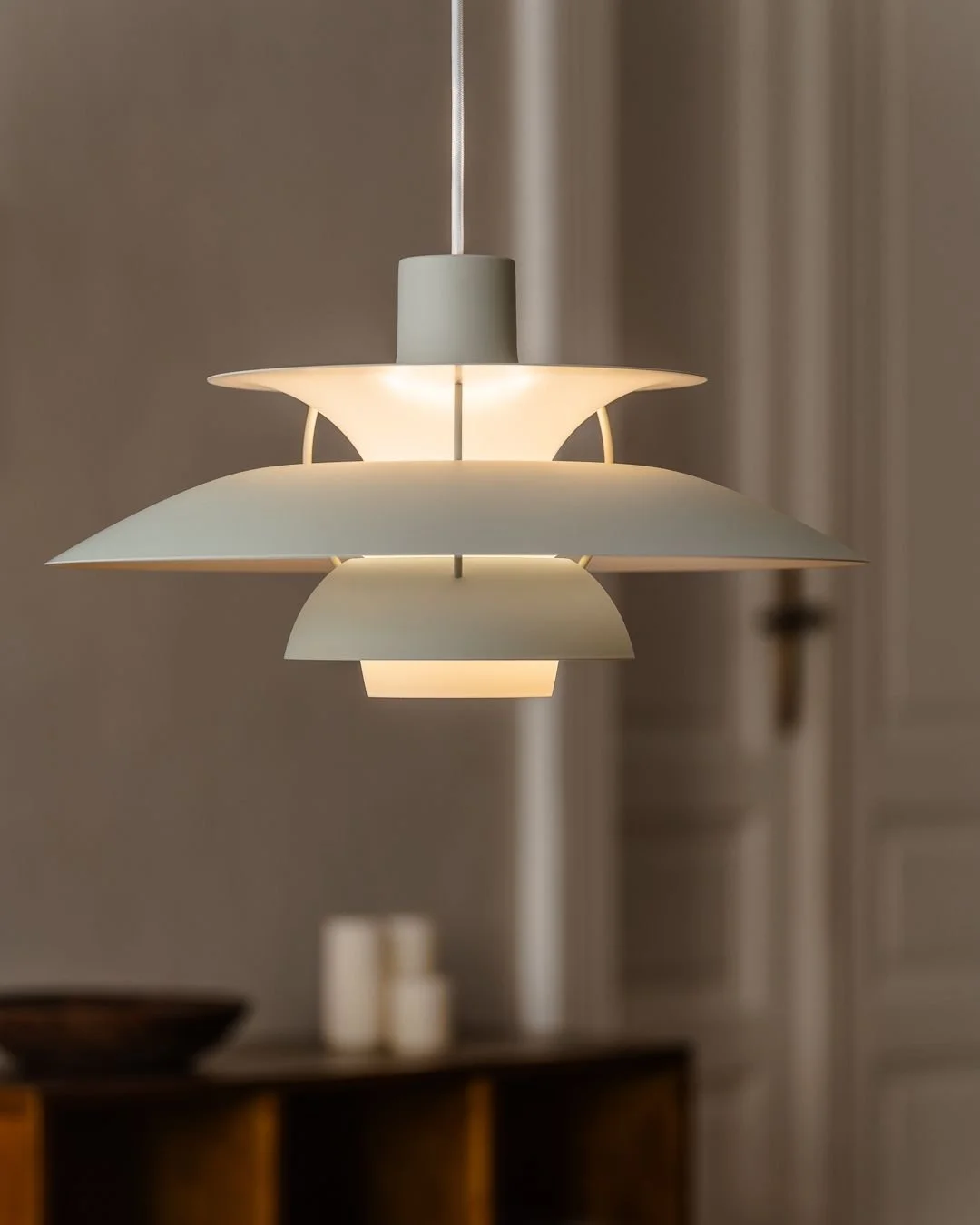
Simplicity means restraint. It means that every element serves a purpose. There are no decorative flourishes that do not earn their place. The beauty comes from proportion, from the quality of materials, from how light falls across a line.
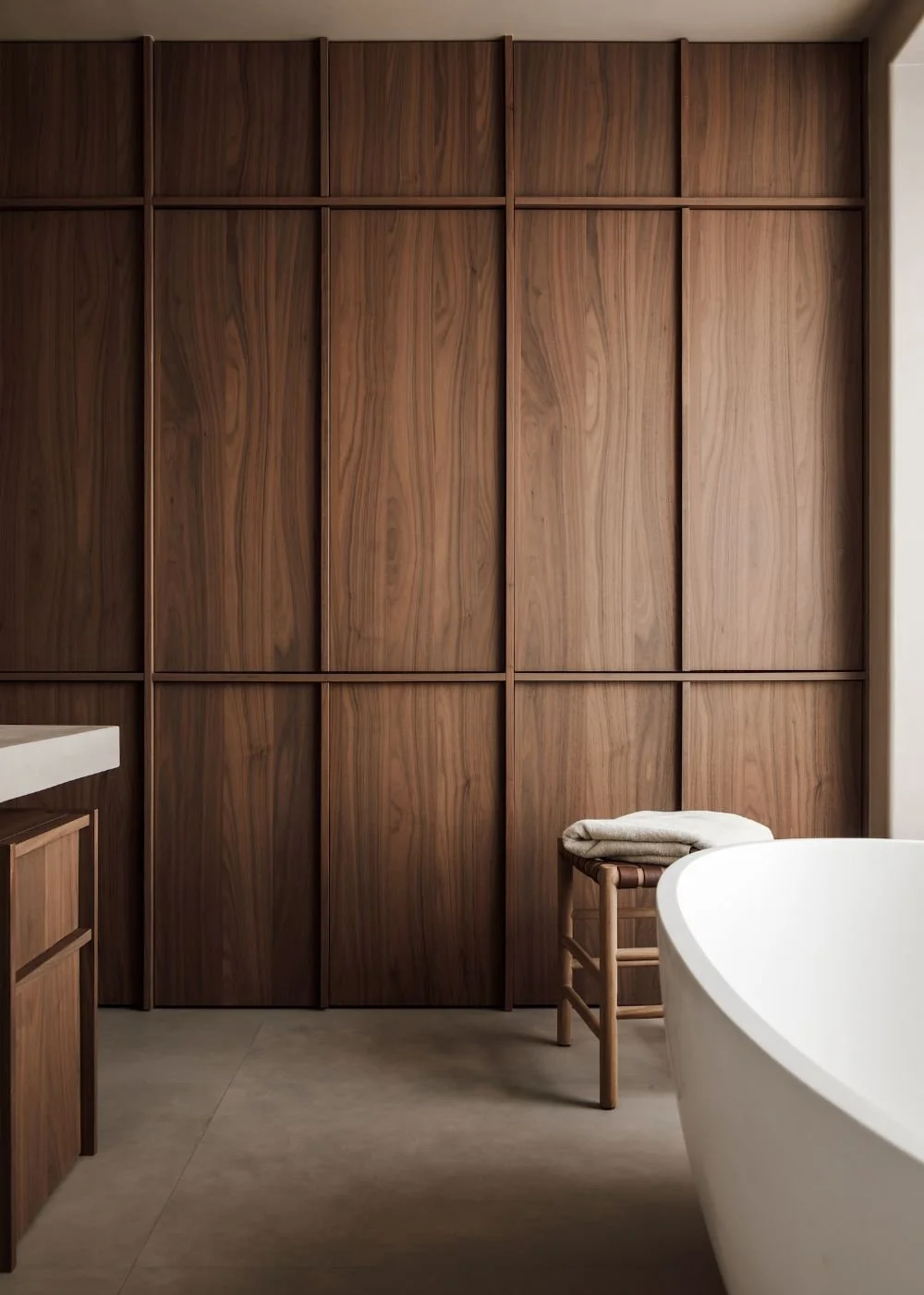
Craftsmanship means respecting the skill required to make something well. It means visible joinery, honest construction, and a refusal to hide how something is built. It means understanding that the person making the object and the person using it are connected through time.
Social consciousness means that good design should be accessible. It should not be a luxury reserved for the wealthy. A working family should be able to buy a chair that is beautiful and well-made. This democratic impulse runs through Danish design like a river.
The Role of Natural Materials
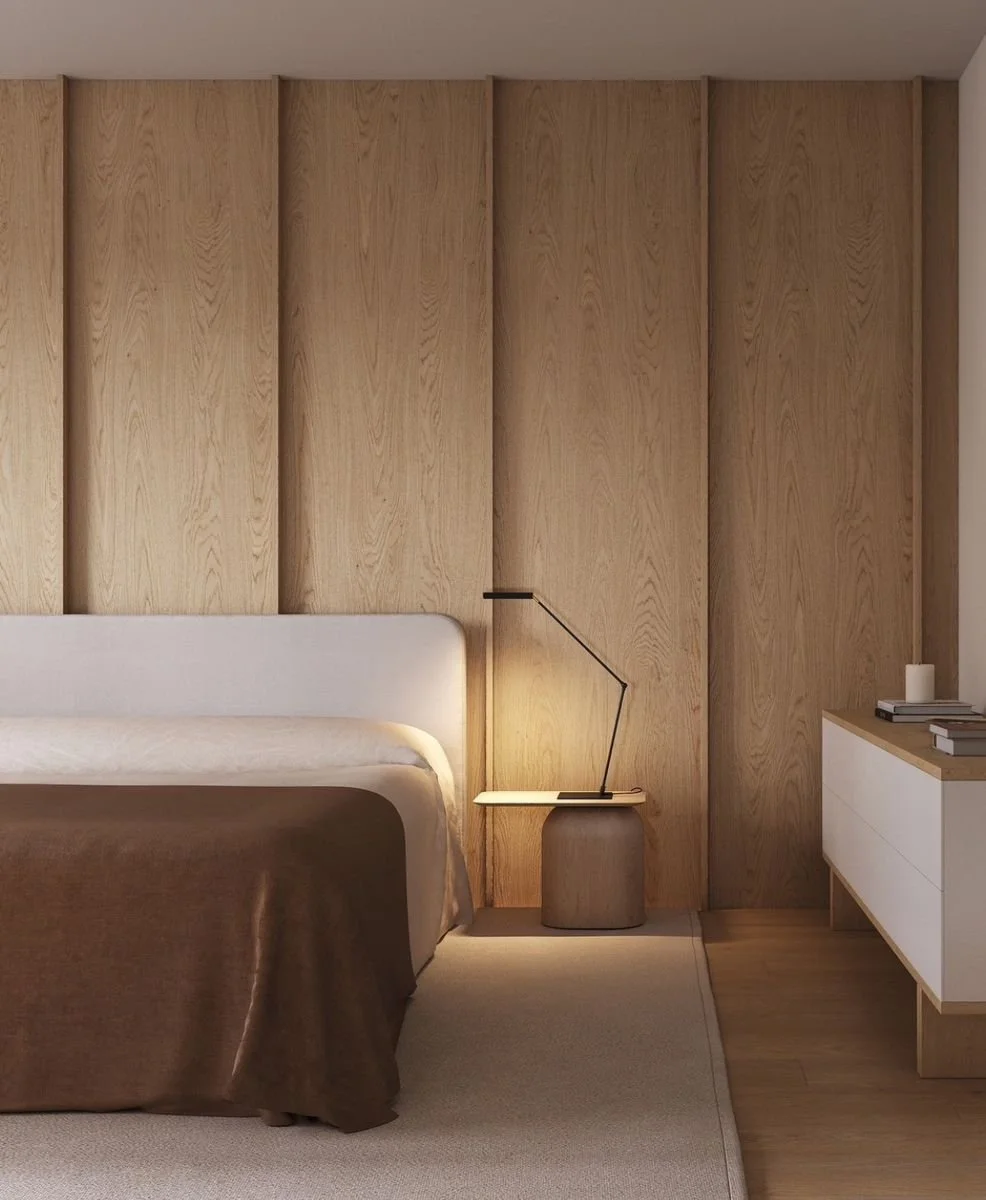
Danish design reflects a deep respect for nature, evident in the use of sustainable, certified materials like teak and oak, with a commitment extending beyond material selection to the entire design philosophy being steeped in eco-friendliness.
When a Danish designer chooses teak or oak, they are choosing to work with the material's nature, not against it. They are choosing to let the wood show its grain, its colour variations, its character. They are not trying to make wood look like something else. They are trying to make wood look like its best self.
This is why Danish furniture ages so beautifully. It is designed to change. The wood will darken. It will develop a patina. These are not failures to be prevented but transformations to be anticipated and welcomed.
The Legacy Today
The minimalist, functional, and timeless aesthetics of Danish modern design ensure that pieces remain relevant and cherished for years or decades, contributing to sustainability by discouraging disposable consumerism and promoting enduring appreciation.
In a world obsessed with novelty, Danish design offers something countercultural. It says: make something well. Make it to last. Make it beautiful not through decoration but through proportion and honesty. Make it for people, not for yourself.
This is why a chair designed seventy years ago feels modern today. It is not because it is trendy. It is because it solves a fundamental problem perfectly. How do you sit? What does a chair need to do? Danish designers answered these questions so thoroughly that their answers remain valid.
Bringing Danish Craftsmanship Home
If Danish design speaks to you, consider what it asks of you as a person living with objects in a home.
It asks you to buy less but buy better. To invest in one beautiful wooden table rather than three mediocre ones. To choose pieces that will still be beautiful in twenty years, that will develop character rather than show wear as deterioration.
It asks you to respect craftsmanship. When you see visible joinery, when you see wood left unpolished, when you see a piece that has been made by human hands with intention, recognize this as a mark of quality, not a flaw.
It asks you to embrace the idea that a chair is not a status symbol. It is a place to sit. The most beautiful chairs are those that feel natural under you, that disappear into the act of sitting so completely that you forget they are there.
Most importantly, Danish design asks you to believe that good design is not a luxury. It is your right. The things you live with every day deserve to be well-made, beautiful, and honest. Not expensive, necessarily. But thoughtful.
In a home shaped by Danish design principles, you will not find things demanding your attention. Instead, you will find yourself surrounded by objects that simply know how to be what they are meant to be.
And there is a quiet power in that certainty.