Wabi Sabi: Finding Beauty in Imperfection
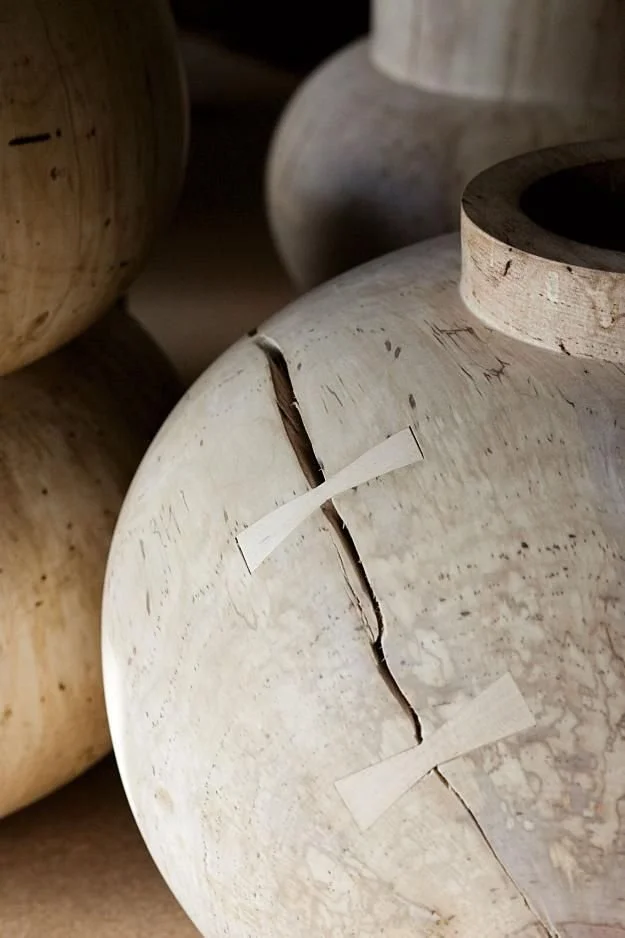
There is a Japanese tea bowl, centuries old, that sits in a museum in Kyoto. Its surface is irregular, its glaze uneven. At some point in its long life, it broke. Rather than be discarded, it was mended carefully with gold, and in that mending, it became more precious. The crack doesn't diminish its value. The repair doesn't hide the break. Both are visible, honoured, part of its story. This is wabi sabi.
To understand wabi sabi is to begin seeing the world differently. Not as something to be controlled, perfected, or made permanent, but as something to be accepted, cherished, and allowed to change. It's a philosophy that emerges from the very heart of Japanese culture, and it has profoundly shaped how we think about beauty, impermanence, and what it means to create a home.
The Two Concepts That Form One Idea
Wabi sabi cannot be easily translated. The closest translation describes it as the appreciation of beauty that is imperfect, impermanent, and incomplete. But this simplicity masks something deeper.
Wabi and sabi are two separate concepts that have become inseparable. Wabi refers to a kind of humble simplicity, a quiet, subdued beauty. It suggests restraint, modesty, and the elegance of what is plain. When you see wabi, you see something understated. Not plain in the sense of dull, but plain in the sense of unadorned.
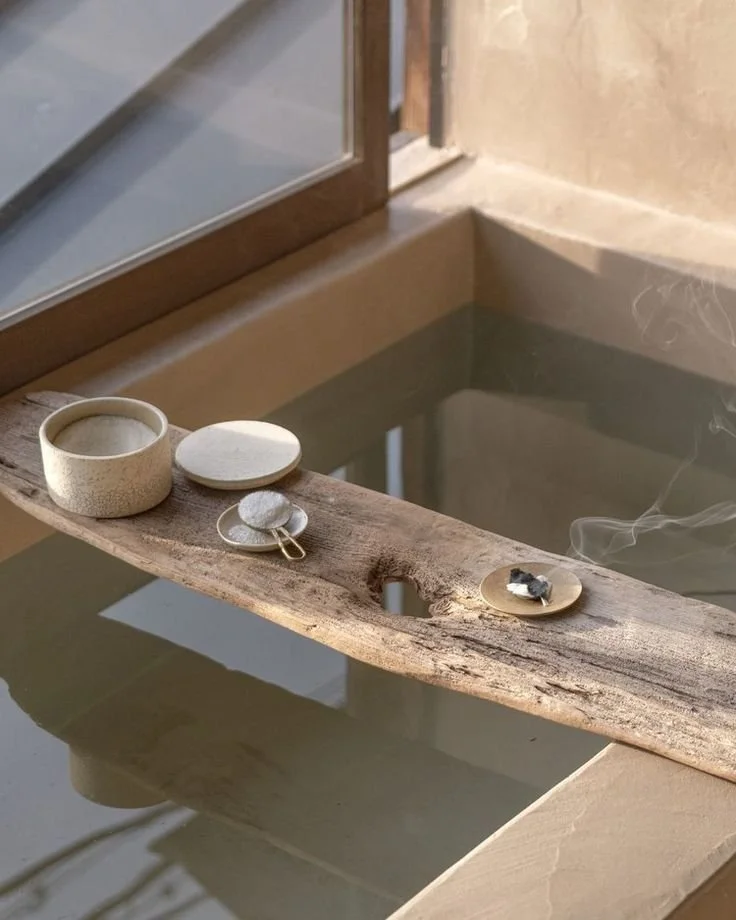
Sabi, meanwhile, speaks to the beauty that emerges with time. It is the patina on old metal, the weathering of wood, the slow transformation that comes from use and age. Sabi celebrates the evidence of living. A teapot that has held countless cups of tea, a wooden door darkened by years of touch, a stone path worn smooth by footsteps. These marks are not signs of decline. They are records of existence.
Together, wabi and sabi form a philosophy that asks us to find beauty not in newness, perfection, or grandeur, but in authenticity, transience, and the humble passage of time.
The Buddhist Roots
To fully understand wabi sabi, we need to look back to Zen Buddhism, the spiritual tradition that shaped it. Buddhism teaches the Three Marks of Existence: impermanence, suffering, and the absence of a permanent self. These are not pessimistic ideas. Rather, they are invitations to peace.
Zen Buddhism invites us to find freedom in acceptance. If everything is impermanent, then we can stop struggling against change. If nothing is perfect, we can stop demanding perfection of ourselves. If nothing lasts, then we can be fully present in what is here now.
Wabi sabi, then, is not just an aesthetic philosophy. It is a spiritual practice. It is a way of cultivating peace with the nature of existence. Zen monks and tea masters spent centuries refining this understanding, finding it everywhere: in a single brushstroke, in the arrangement of stones in a garden, in the quiet simplicity of a tea room.
The Living Philosophy
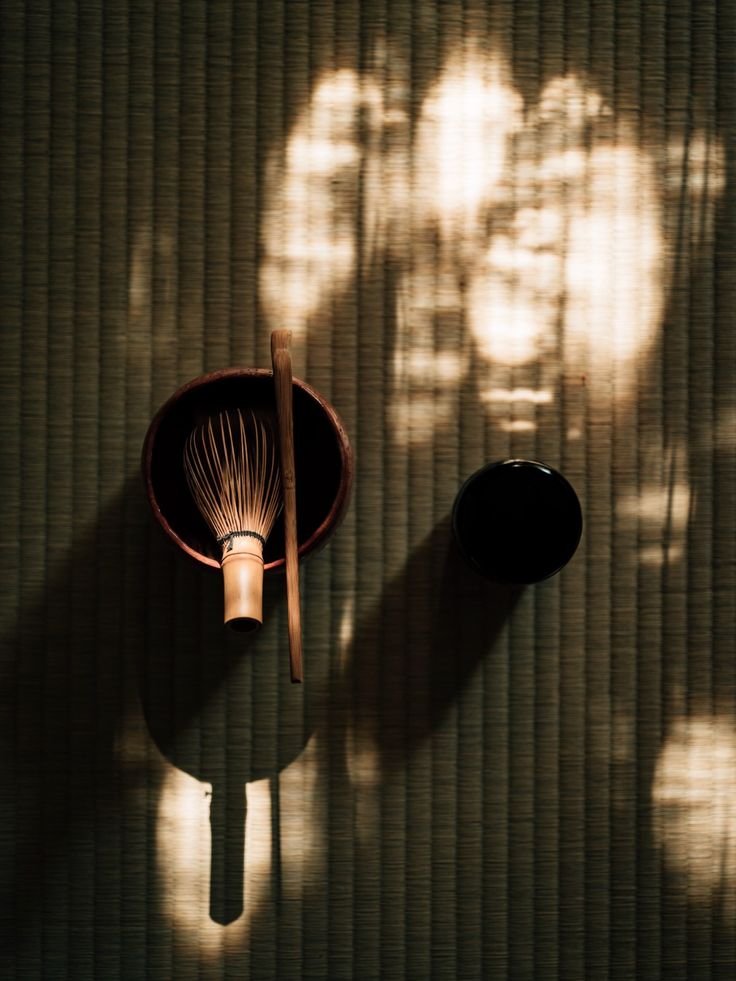
Wabi sabi appears throughout Japanese culture in ways both grand and everyday. It shapes tea ceremony, where the beauty of imperfect pottery is celebrated. It appears in gardens where moss grows on rocks, where stones are left weathered, where nothing is forced into formal arrangement. It influences calligraphy, where a single brushstroke, once made, cannot be undone or perfected. It lives in poetry, where a few words suggest far more than they say.
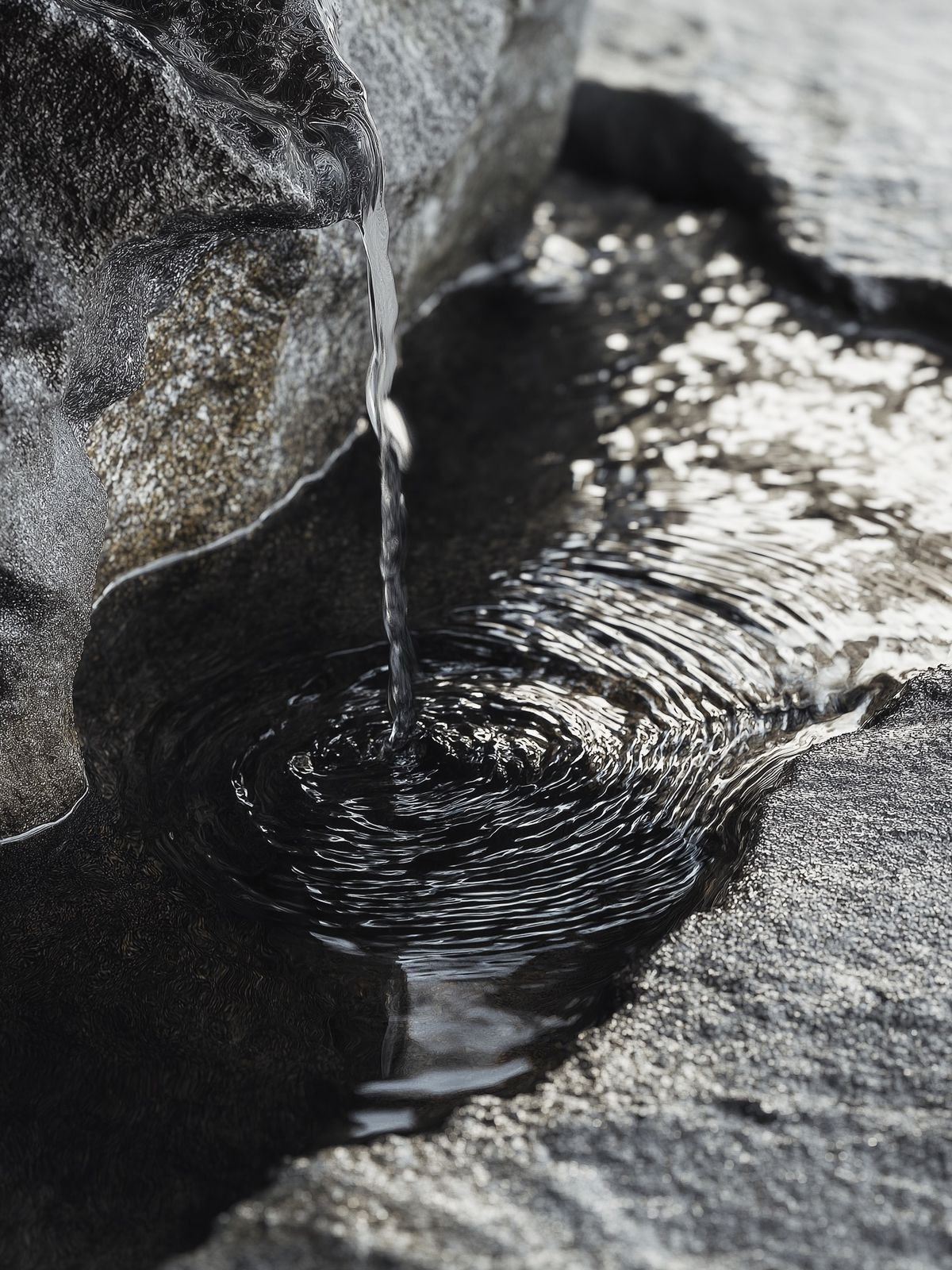
But wabi sabi isn't confined to art or ceremony. It is a daily sensitivity, a way of moving through life. In Japan, you might notice it in the crack on an old teapot, the way a misty landscape obscures detail, the reflection of moonlight on water. These are everyday moments that contain quiet beauty.
This is what makes wabi sabi so different from Western aesthetics, which emerge from Greek ideals of perfection, symmetry, and permanence. Western beauty often values the new, the polished, the complete. Wabi sabi values the worn, the weathered, the incomplete. It suggests that the most beautiful things are those that show their age, that bear the marks of their use, that acknowledge that nothing lasts.
How Wabi Sabi Lives in a Home
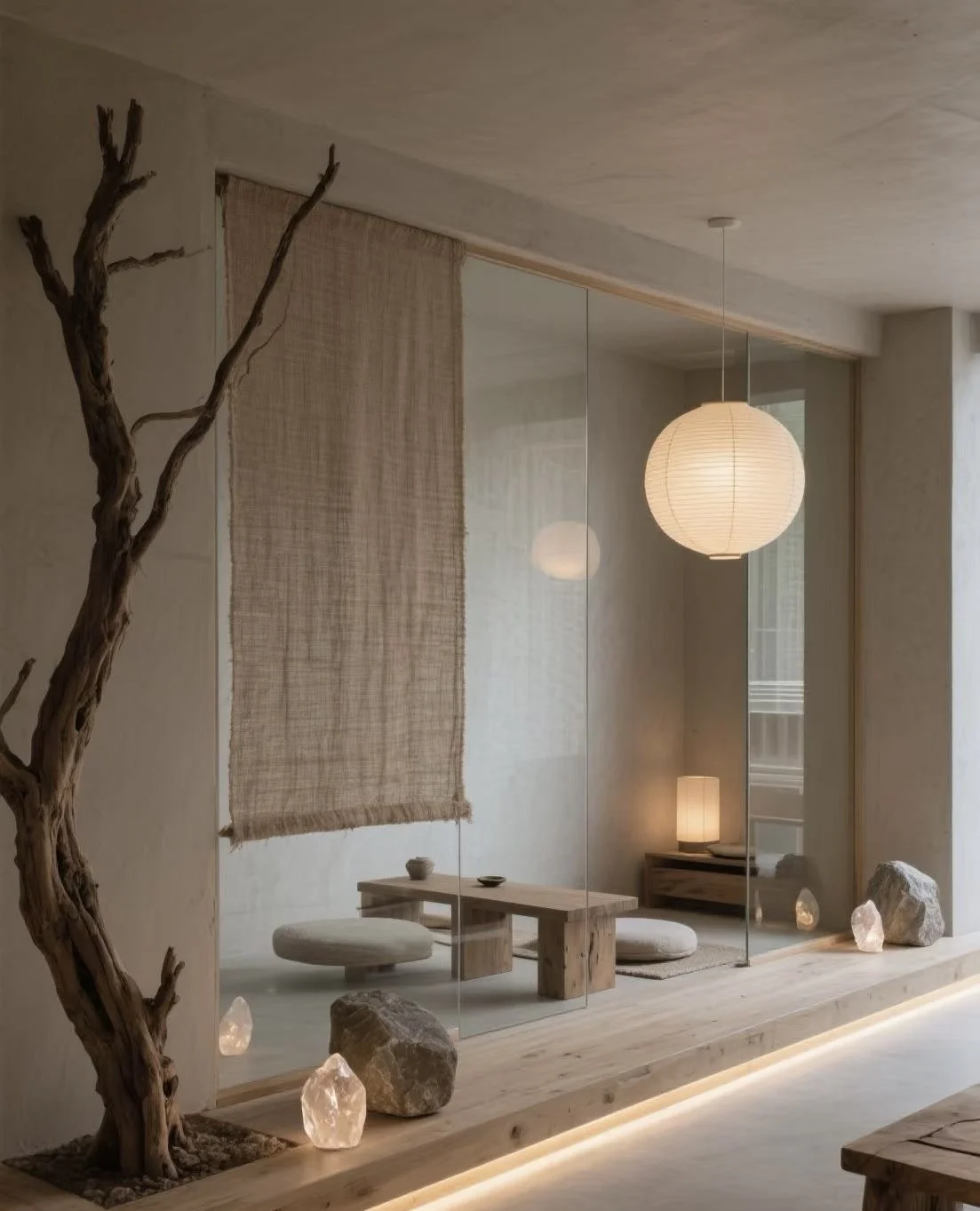
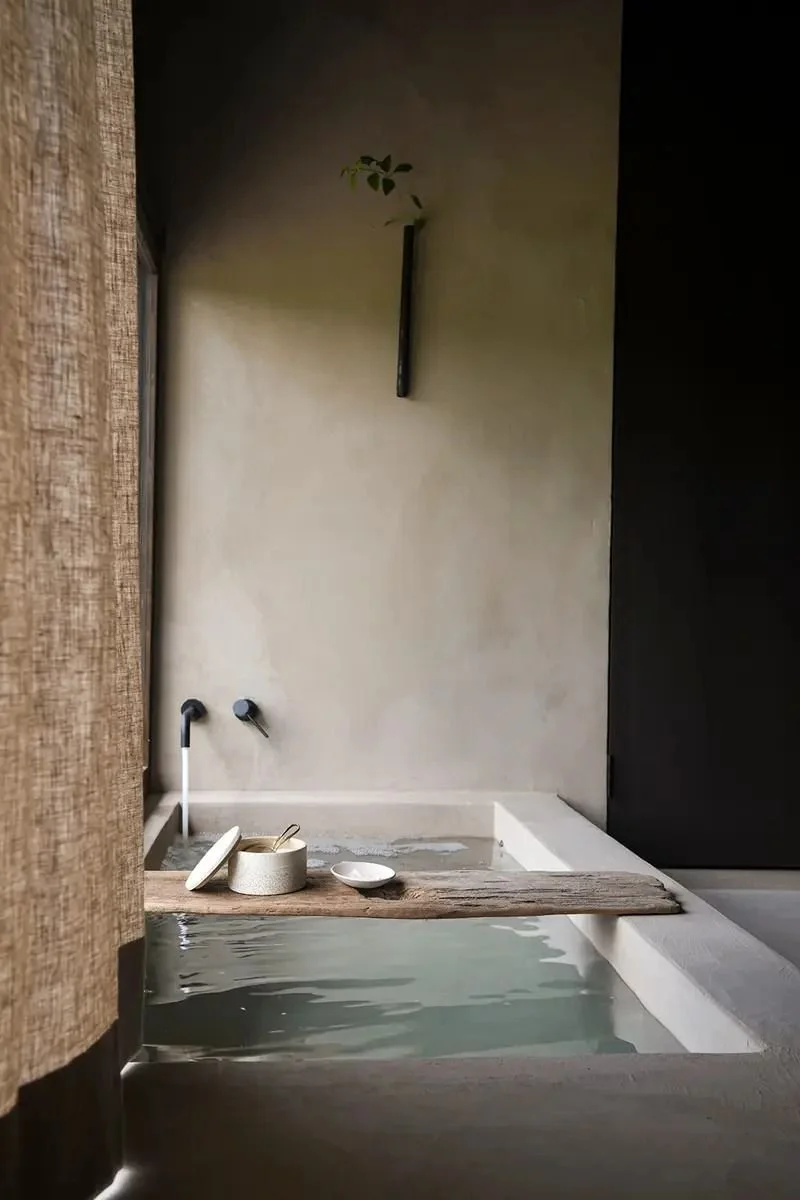
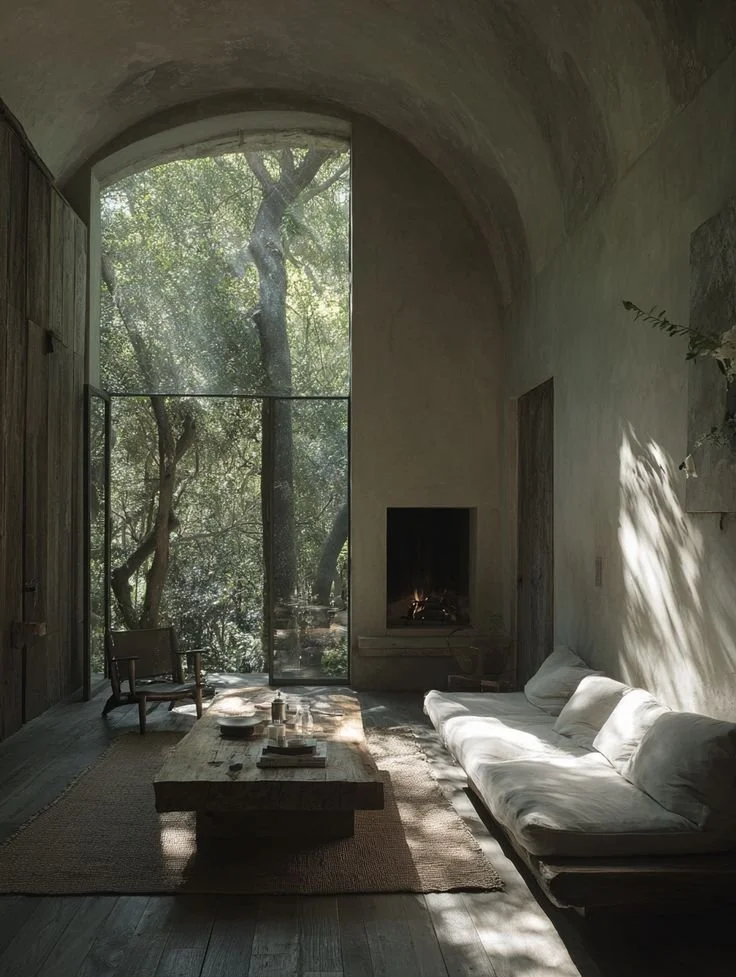
When you bring wabi sabi into interior design, you are choosing to let things be honest. You are choosing natural materials that will change with time. You are embracing asymmetry. You are accepting imperfection.
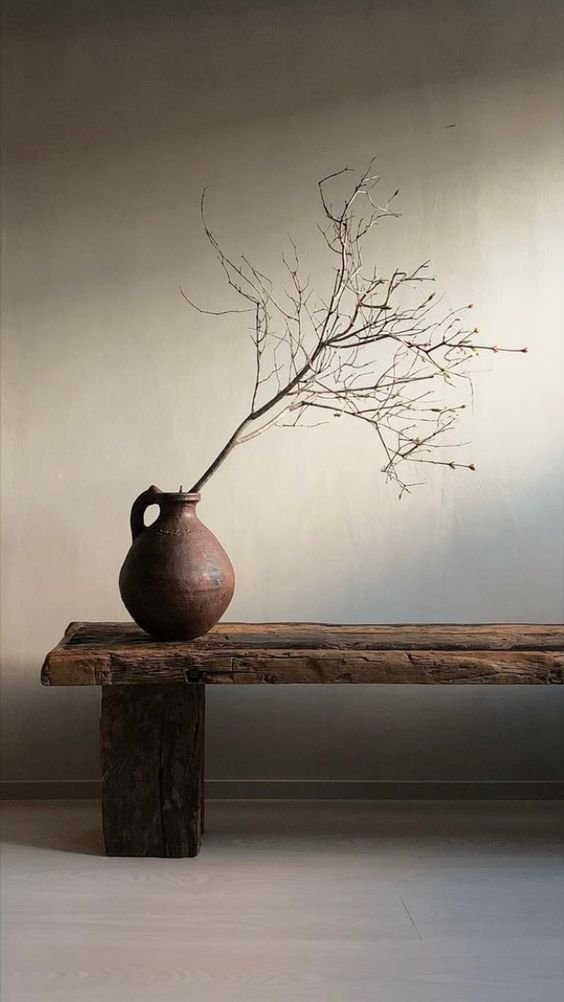
A wooden table, untreated or finished in oil rather than a hard varnish, will darken naturally over years. This transformation is not a problem to be solved. It is the table coming alive. The wood develops character, colour, depth. You live with it, and it lives with you.
Ceramics and pottery become central. A handmade bowl, with its slight irregularities and asymmetrical shape, holds more beauty than a perfect, machine-made vessel. The glaze might be thicker in one spot, thinner in another. The colour might be richer where it pools. These variations are not flaws. They are proof of human hands, of individual attention, of authenticity.
Textiles age beautifully too. Linen becomes softer, more supple with every wash. Natural fibres develop a lived-in quality that feels warm and human. You don't resist these changes. You welcome them.
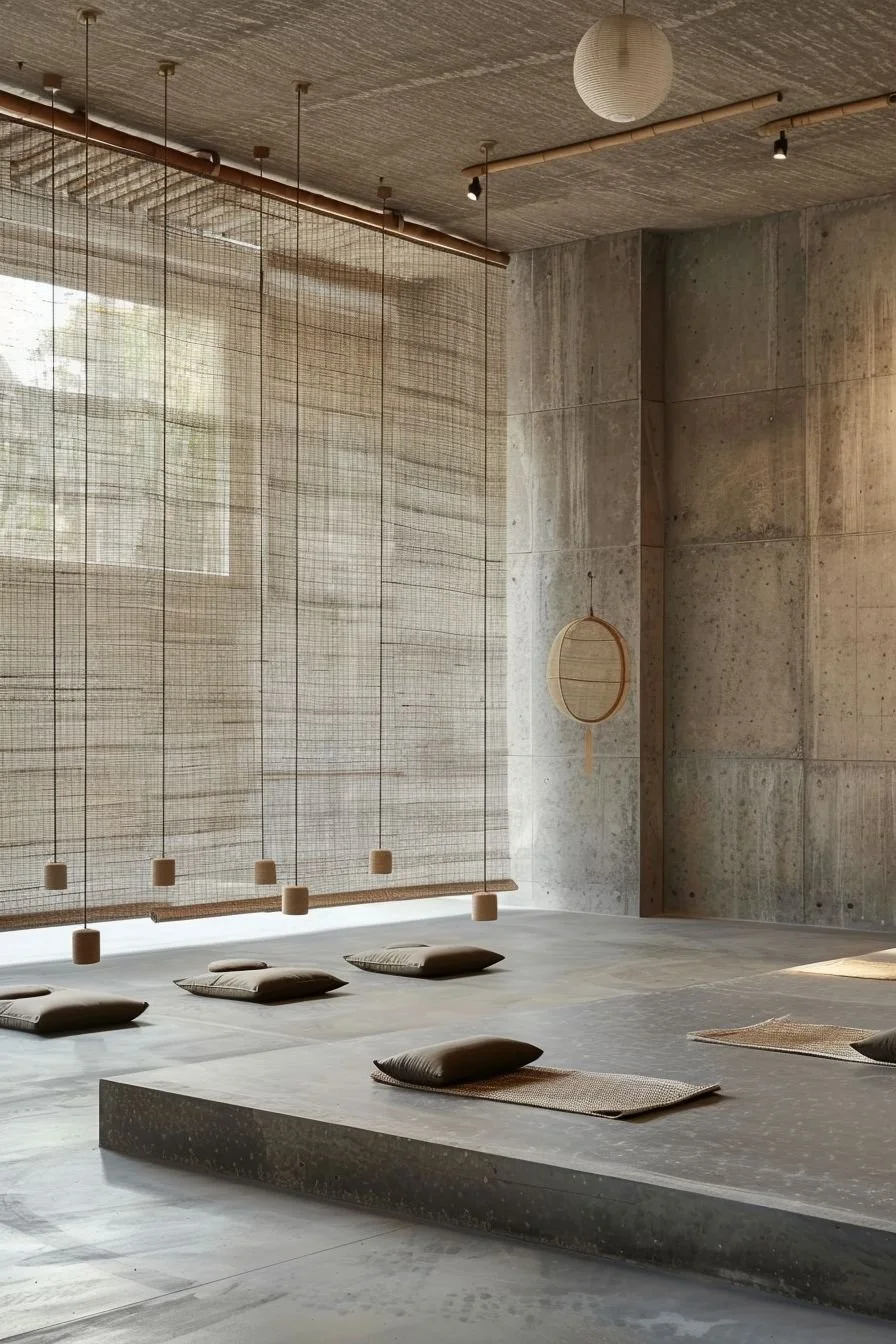
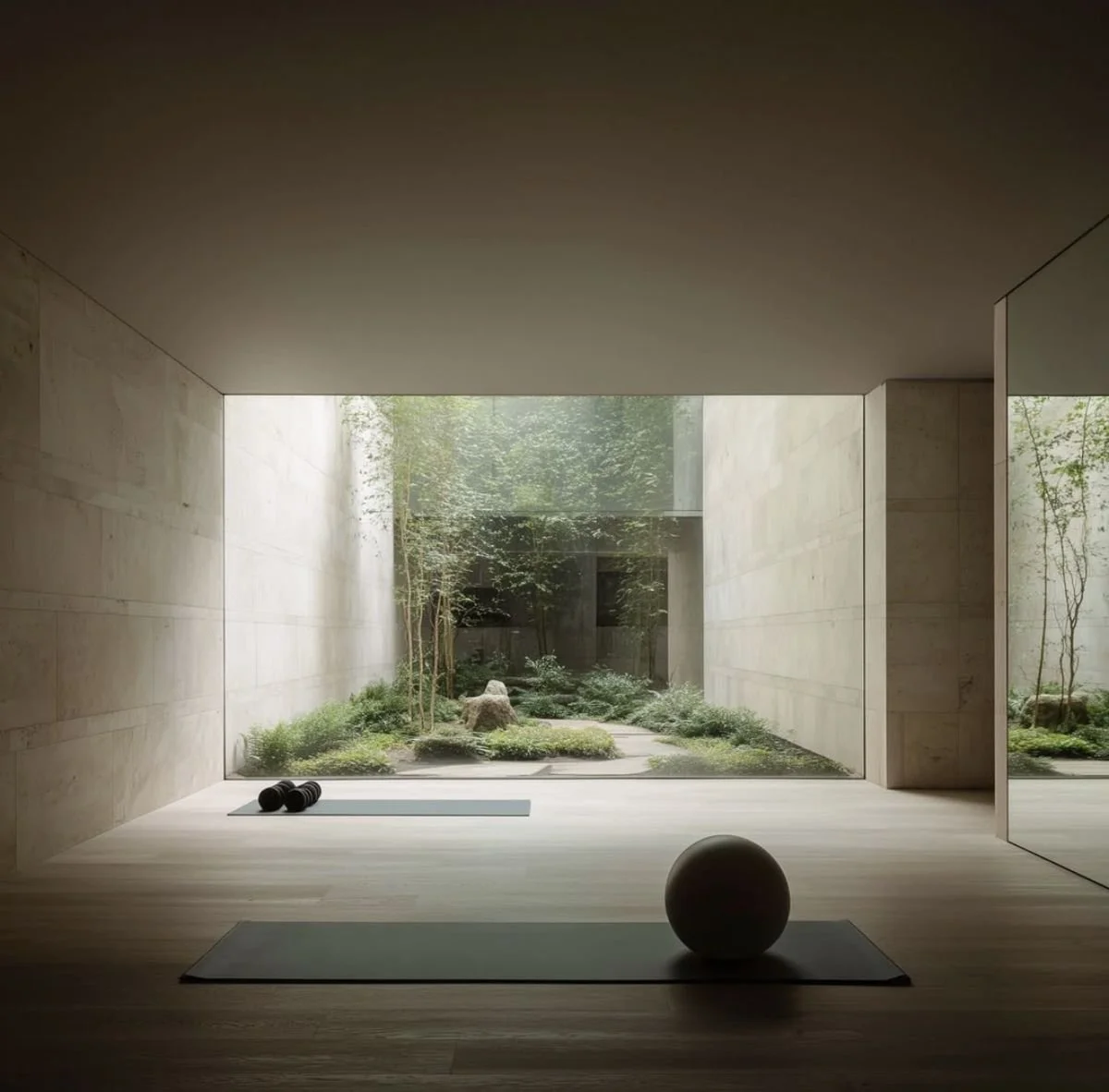
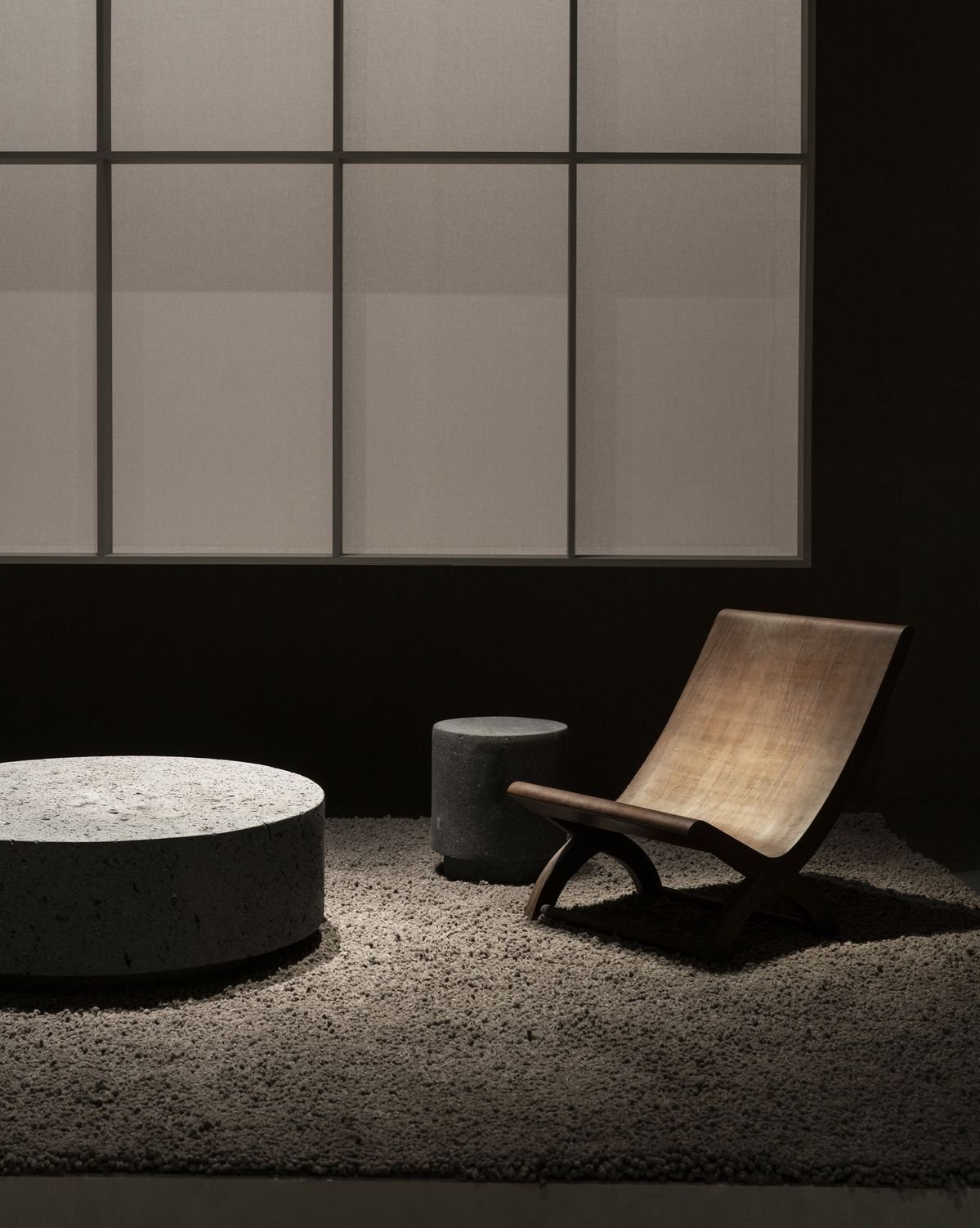
Negative space becomes important. Wabi sabi understands that empty space has value. A shelf with just a few objects, carefully chosen, is more beautiful than one that is full. The emptiness allows each object to be seen more clearly. It allows for silence, for pause, for breathing room.
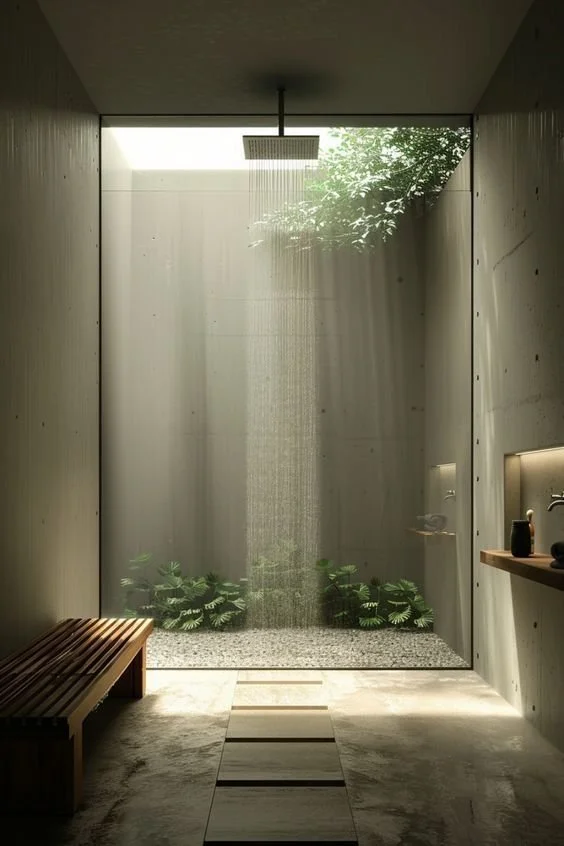
The overall aesthetic is minimal, but not cold. It is restrained, but deeply warm. It is quiet, but full of presence.
The Beauty of Impermanence
At the heart of wabi sabi is an acceptance of impermanence. Nothing lasts forever. Everything changes. Rather than fighting this reality, wabi sabi invites us to find peace, even beauty, in it.
A plant that grows in a corner will eventually fade. Instead of replacing it immediately, you might observe how it changes, how the light moves through its papery leaves, how it eventually becomes an object of a different kind of beauty. A candle burns down. A piece of fabric fades. A wall develops a stain. These are not failures. They are part of the journey.
This acceptance of impermanence is what gives wabi sabi its spiritual power. It teaches us to be present, to cherish what is here now, to find meaning in transience rather than permanence.
Bringing Wabi Sabi Into Your Life
If wabi sabi speaks to you, consider what it might mean to invite it into your home. It begins with releasing the idea that everything must be new, perfect, or permanent.
Choose materials that age well. Seek out pottery that is handmade, bearing the marks of its creation. Let wood remain unfinished, or finish it with oils that let it develop naturally. Accept the scratches, the marks, the slow transformation of everyday use.
Reduce what you own. Keep only what you truly use or love. Let empty space be part of your design. Asymmetry becomes acceptable. Incomplete becomes beautiful.
Most importantly, shift how you see. When something cracks or fades or changes, instead of viewing it as damaged, see it as developing character. You are witnessing the passage of time. You are watching your home acquire a story. This is not loss. This is meaning.
Wabi sabi is not a style you adopt for aesthetic reasons alone. It is a way of thinking, a way of seeing, a way of accepting that beauty and meaning emerge not from control, but from surrender to the natural flow of existence.
And in a world that constantly demands newness and perfection, there is something profoundly healing in that surrender.