Finding myself in Jaqi
When a store became a mirror.
There is a particular feeling that comes from walking into a space that seems to understand something about beauty before you have even had time to properly look around. Not beauty that announces itself the moment you enter and not the kind of room designed to impress at first glance, but something quieter and much harder to manufacture: the sense that every material, every object and every empty space has been considered and that nothing is there simply because there was room for it.
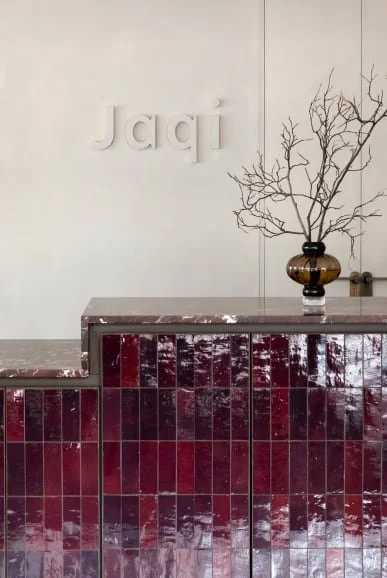
That was my first experience of JAQI.
I had just come from Design Source Ireland at the RDS in March, my mind full of materials, conversations and possibilities, with that particular creative fullness you feel after spending hours moving from one idea to another, when I found myself walking into their space at Charlemont Square.
I wasn't entirely sure what I was expecting, but within a few minutes I had the feeling that I already knew the place.
Not literally, of course.
I recognised the language.
The Walls Came First
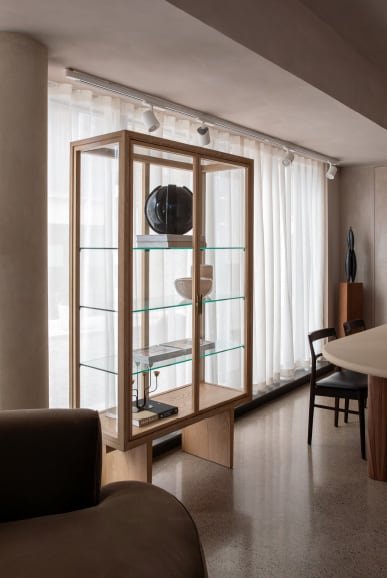
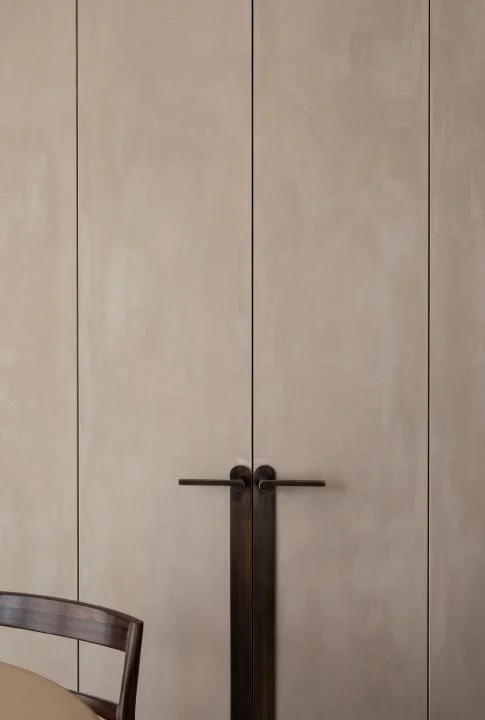
Before the furniture, before the objects, before I had even properly understood the layout of the room, I noticed the walls.
Bauwerk limewash.
I recognised it immediately because it is a finish I live with in my own home and one I return to often in my work, partly because of the way it holds light and partly because it never feels completely static. Its texture shifts gently throughout the day, revealing subtle variations in tone, and rather than trying to disguise age or imperfection, it seems to become more interesting through both.
There is an honesty to it that I have always loved.
Seeing it throughout JAQI told me something about the space before anyone had said a word. The choices here were not purely decorative. There was an appreciation for surfaces that have depth, for natural variation and for the atmosphere created when materials are allowed to behave as themselves
It reminded me of something I return to constantly in my own practice and perhaps one of the hardest things to communicate until someone actually experiences it: good design is rarely about achieving perfection.
It is about making choices with purpose.
A Shared Design Language
As I moved further through JAQI, that sense of familiarity became stronger.
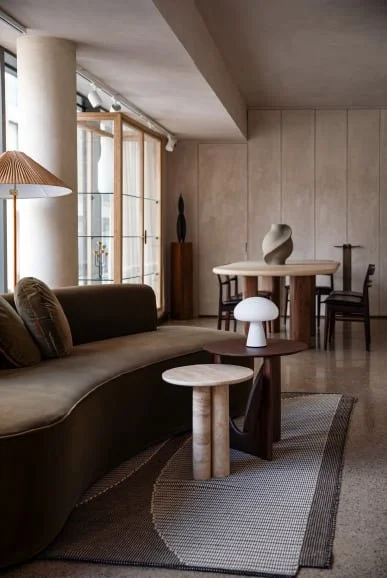
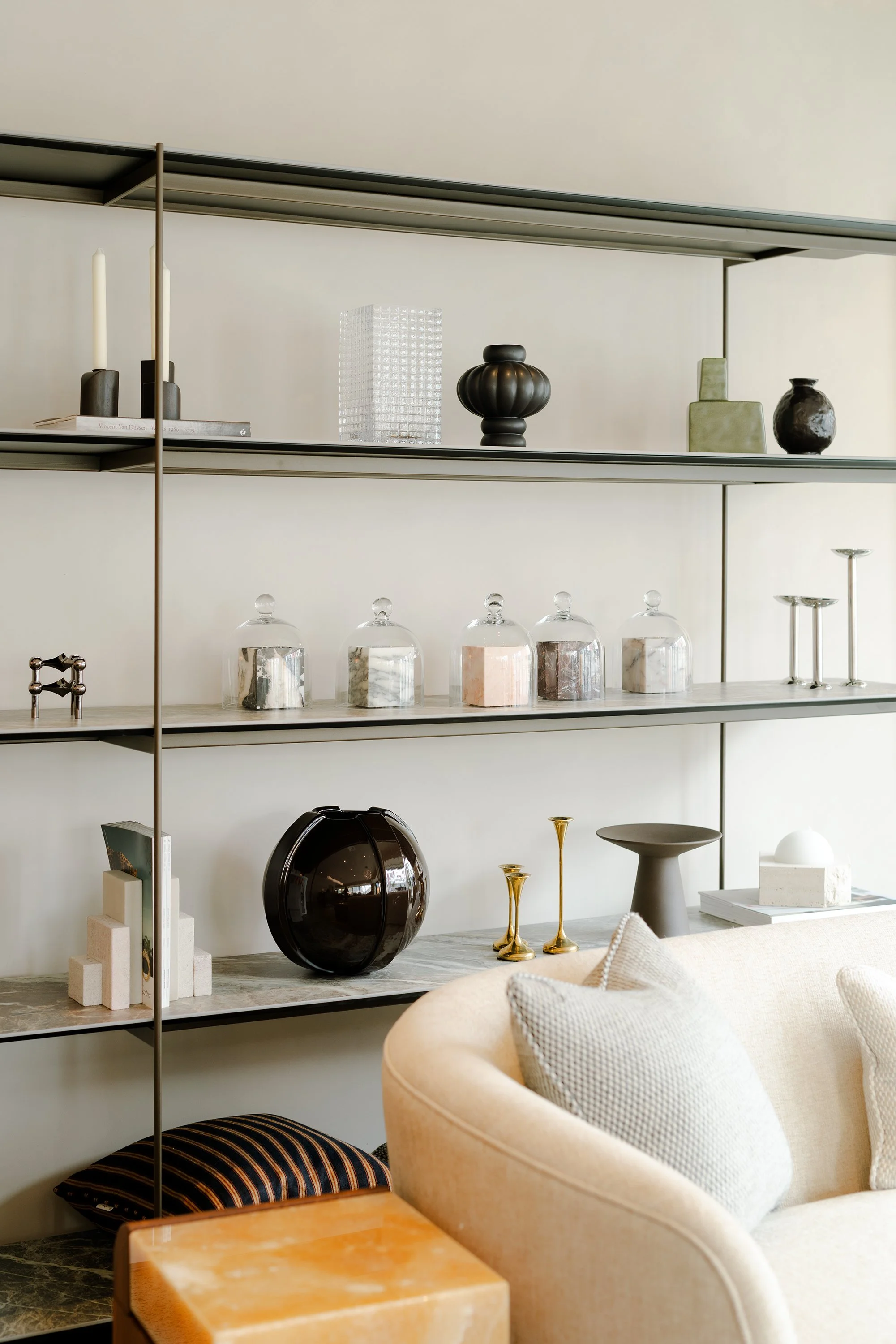
There were pieces and names I knew immediately, CC-Tapis, Nordic Knots, Louise Roe and GUBI, but what interested me was not simply recognising them. It was seeing how they had been brought together.
Nothing seemed to be fighting for attention.
A beautiful rug was given enough room to be properly seen. A sculptural object could exist without being surrounded by ten other things. Materials related to one another without everything having to match, and each piece was allowed to retain its own character.
That, to me, is where curation becomes interesting.
It isn't about assembling as many beautiful things as possible. It is about understanding the relationships between them: how the texture of one material changes the way you perceive another, how colour shifts depending on what sits beside it, and how the smallest addition can alter the balance of a room.
I think about this constantly when designing homes for clients because I am rarely interested in filling a space simply for the sake of completing it. I am much more interested in finding the few things that give a room its identity.
Sometimes that means waiting for the right rug rather than choosing the one immediately available. Sometimes it means looking at several slabs of stone until one has exactly the movement I had imagined. Sometimes it simply means placing one beautiful object and deciding that nothing else is needed.
At JAQI, the pieces felt chosen rather than accumulated, and that distinction changes the way you move through a space and what you actually notice within it.
A Shared Sensibility
Then there were the people behind it.
Very quickly, I realised that what I connected with extended beyond the physical space, because the conversations themselves carried the same curiosity about craftsmanship, provenance and the stories behind the pieces.
What struck me most was their understanding that a beautiful object is only part of the equation. The real question is how someone will live with it.
There is a difference between showing somebody a chair and helping them imagine that chair at their table, between discussing a rug as an isolated object and understanding how its texture, scale and colour might change an entire room.
That distinction matters enormously to me because interior design is ultimately about people.
We can talk endlessly about oak, marble, lighting, colour and proportion and I happily do, but none of those choices exists independently from the person who will eventually inhabit the space. Someone will wake up there. Someone will drink coffee at that table. Someone will walk through that hallway half asleep every morning and probably never consciously think about why the light feels right or why the room feels calm.
That is the part of design I find most interesting. You are creating the backdrop for somebody's life.
A few months after first discovering JAQI, the team were kind enough to invite me to the opening of their Malahide store in June. It was another beautiful expression of the JAQI world, different in character from Charlemont Square but carrying the same sensitivity to materials, scale and curation.
What I particularly loved was seeing how their identity translated into another setting without simply repeating what they had already created. The philosophy was immediately recognisable, but Malahide had its own character and its own atmosphere.
By then, what had initially felt like a chance discovery had become something much more familiar. I had come to know not only the spaces, but also the people behind them, and the generosity and genuine passion they bring to what they do.
JAQI felt less like somewhere I wanted to shop and more like somewhere I wanted to spend time.
And I knew quite quickly that I wanted Lou Joia to be part of it.
When Marble Candles Found Its Place
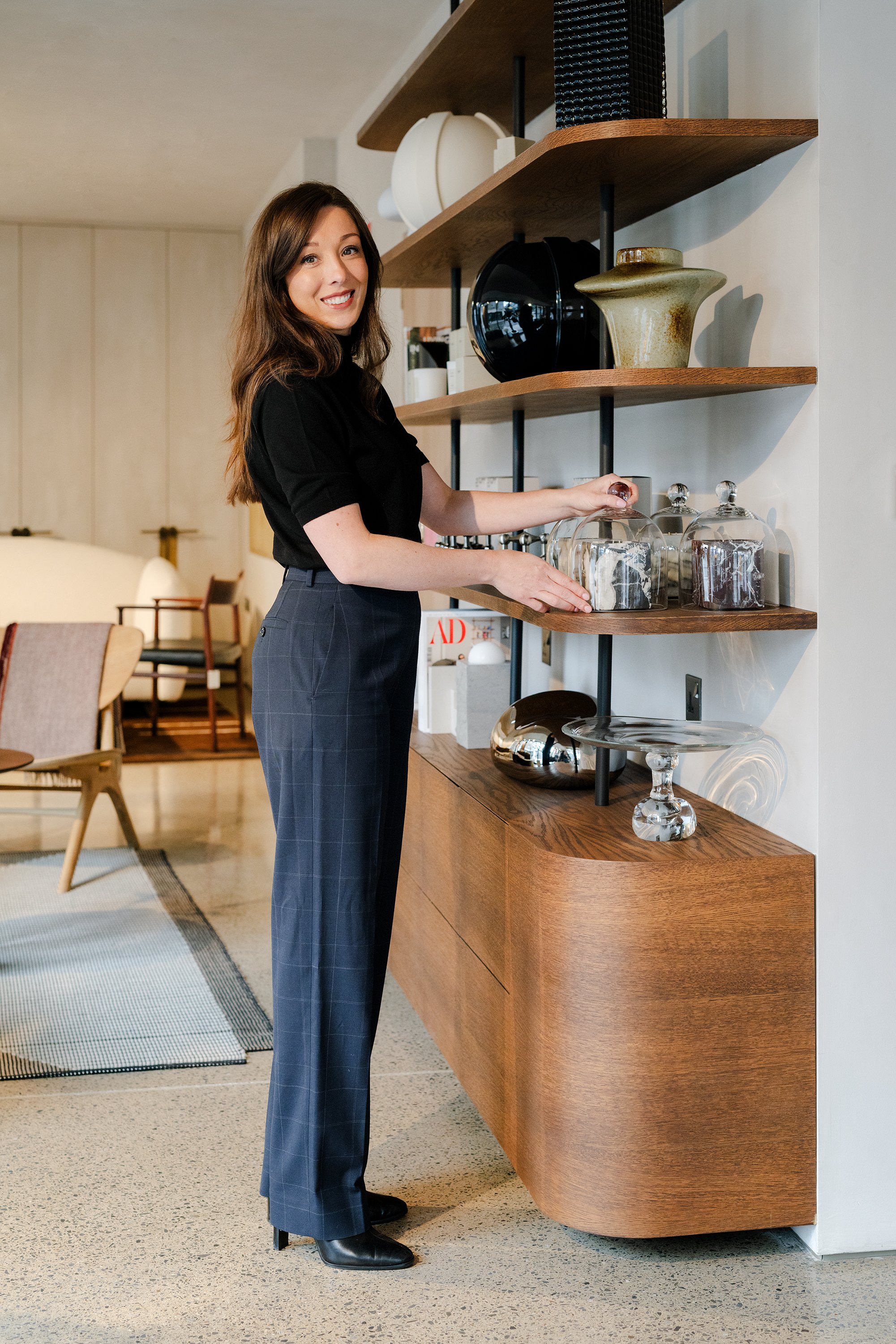
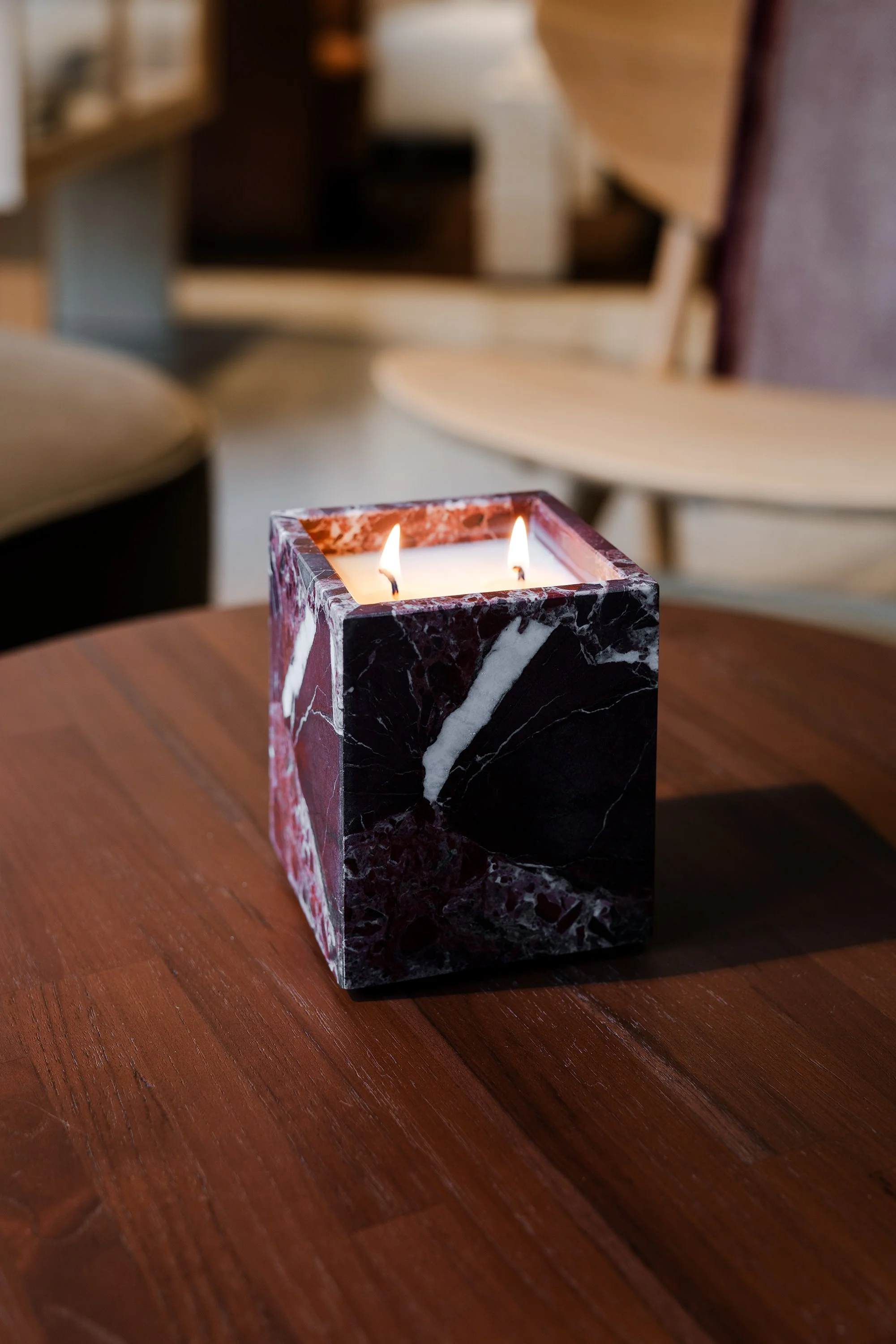
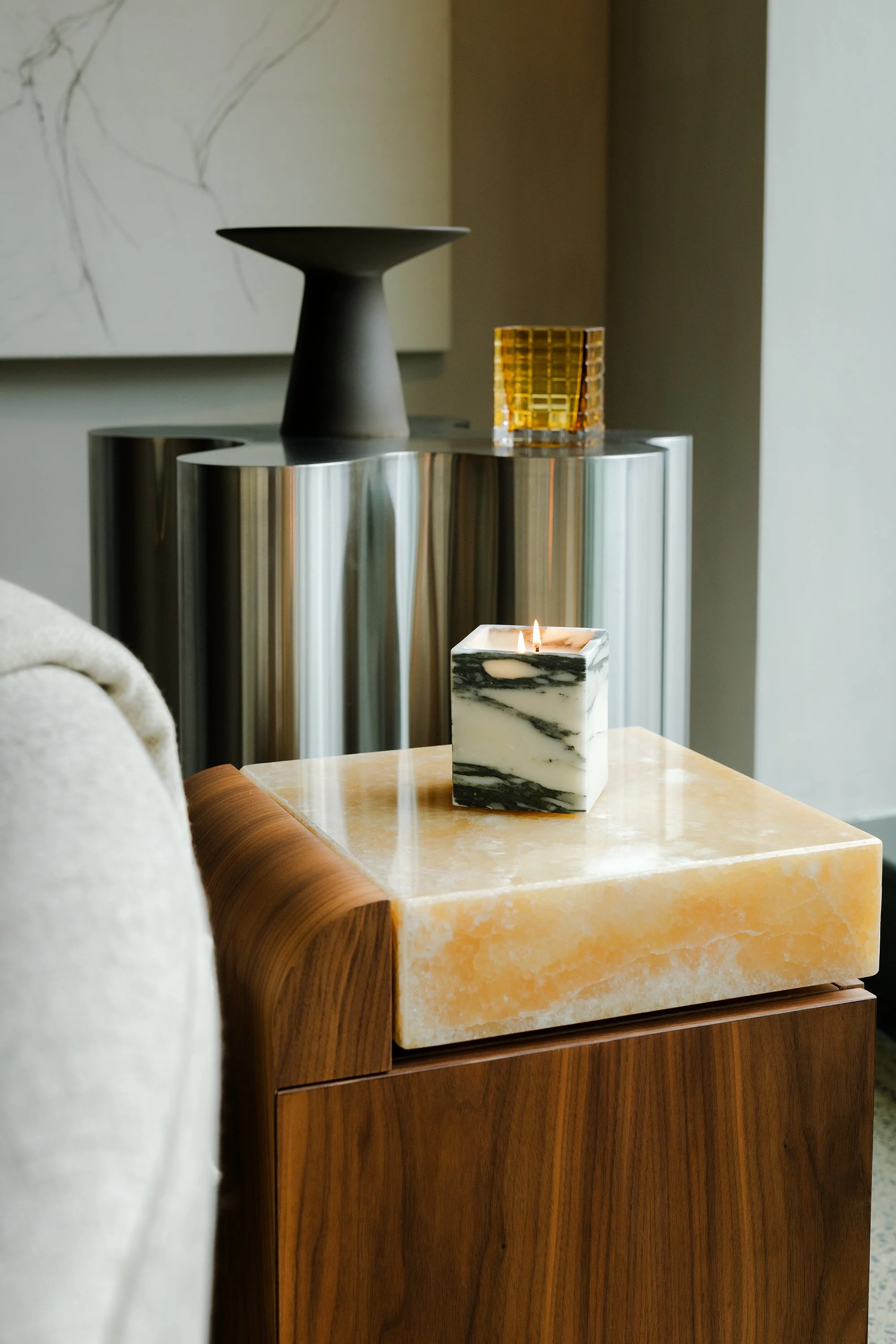
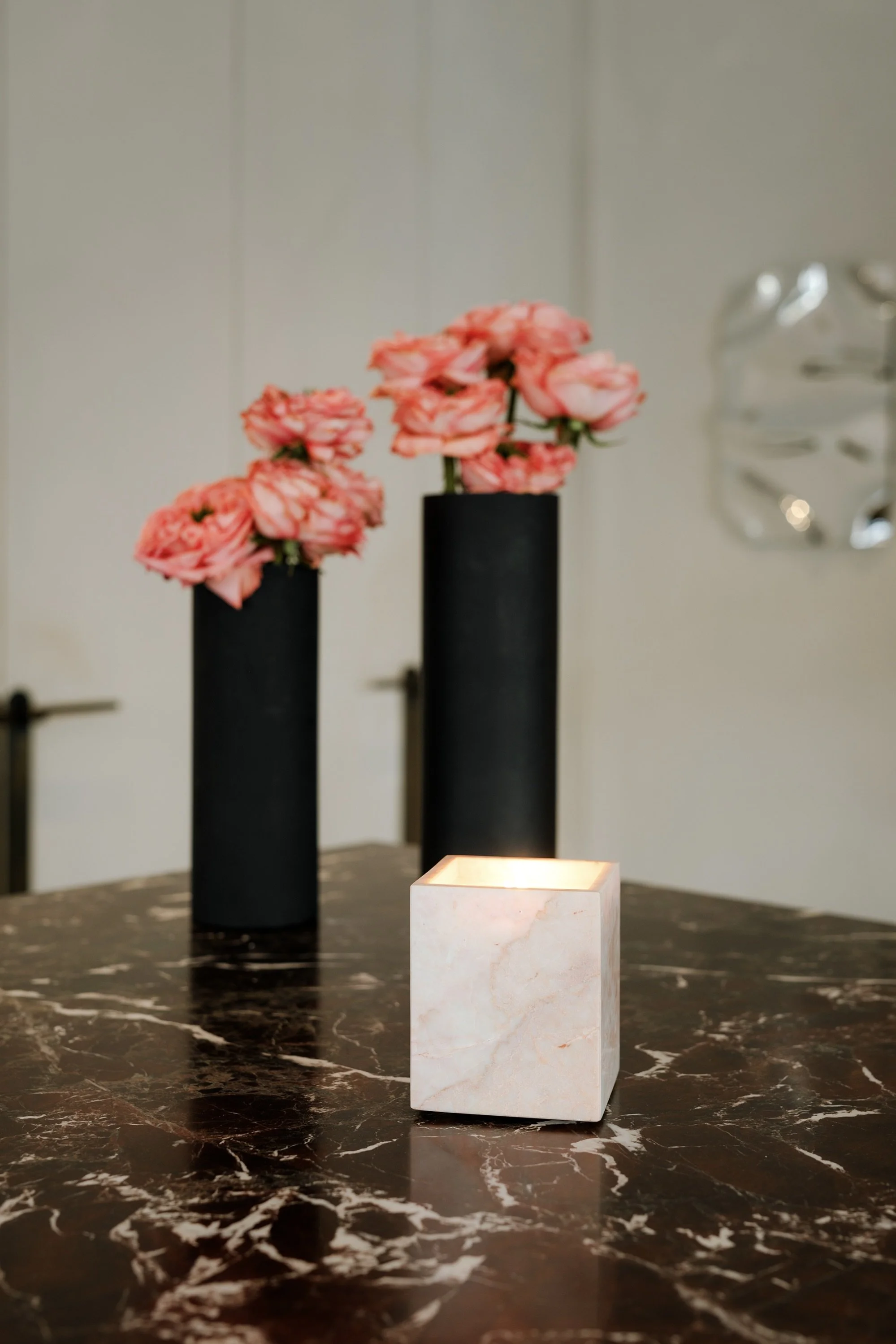
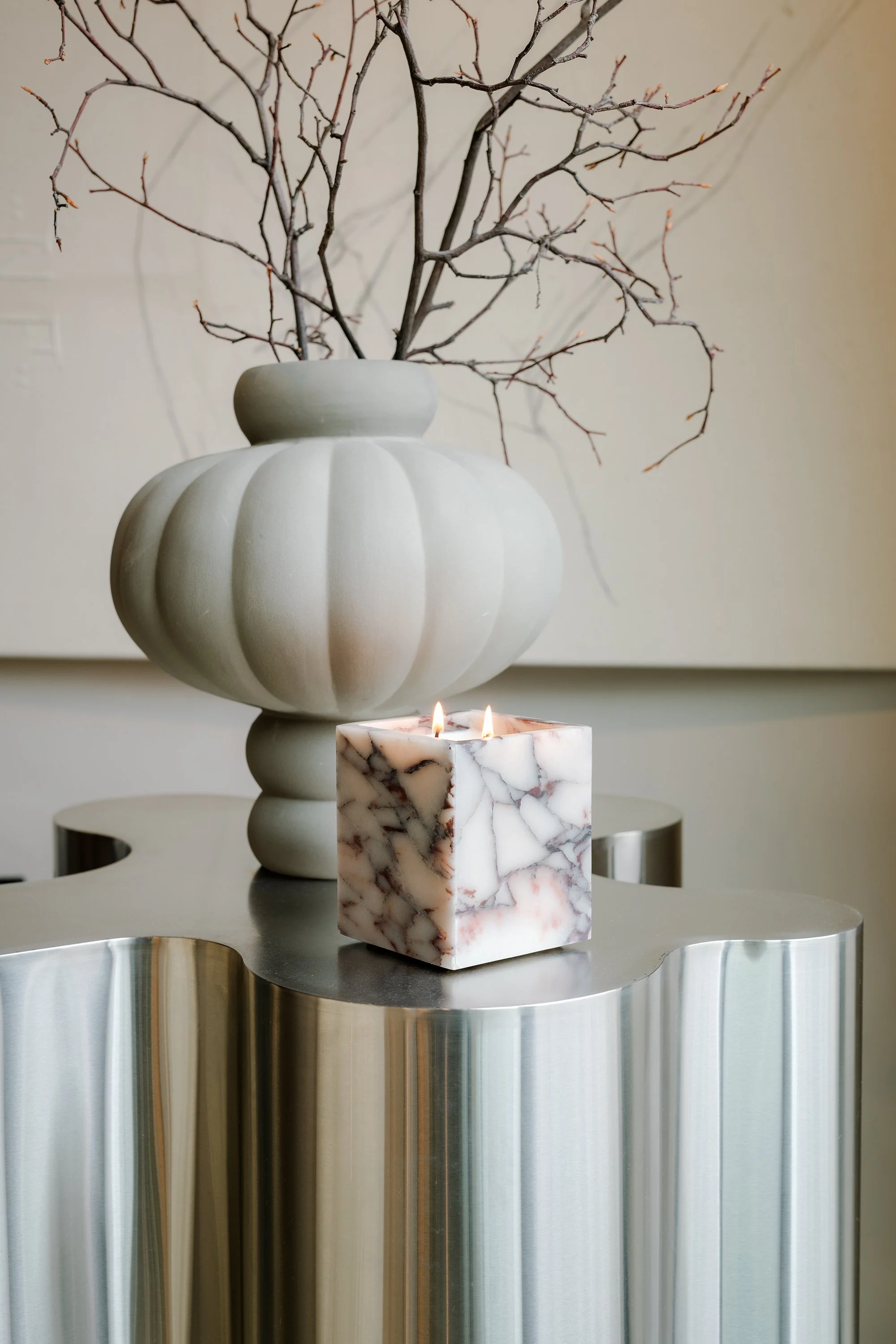
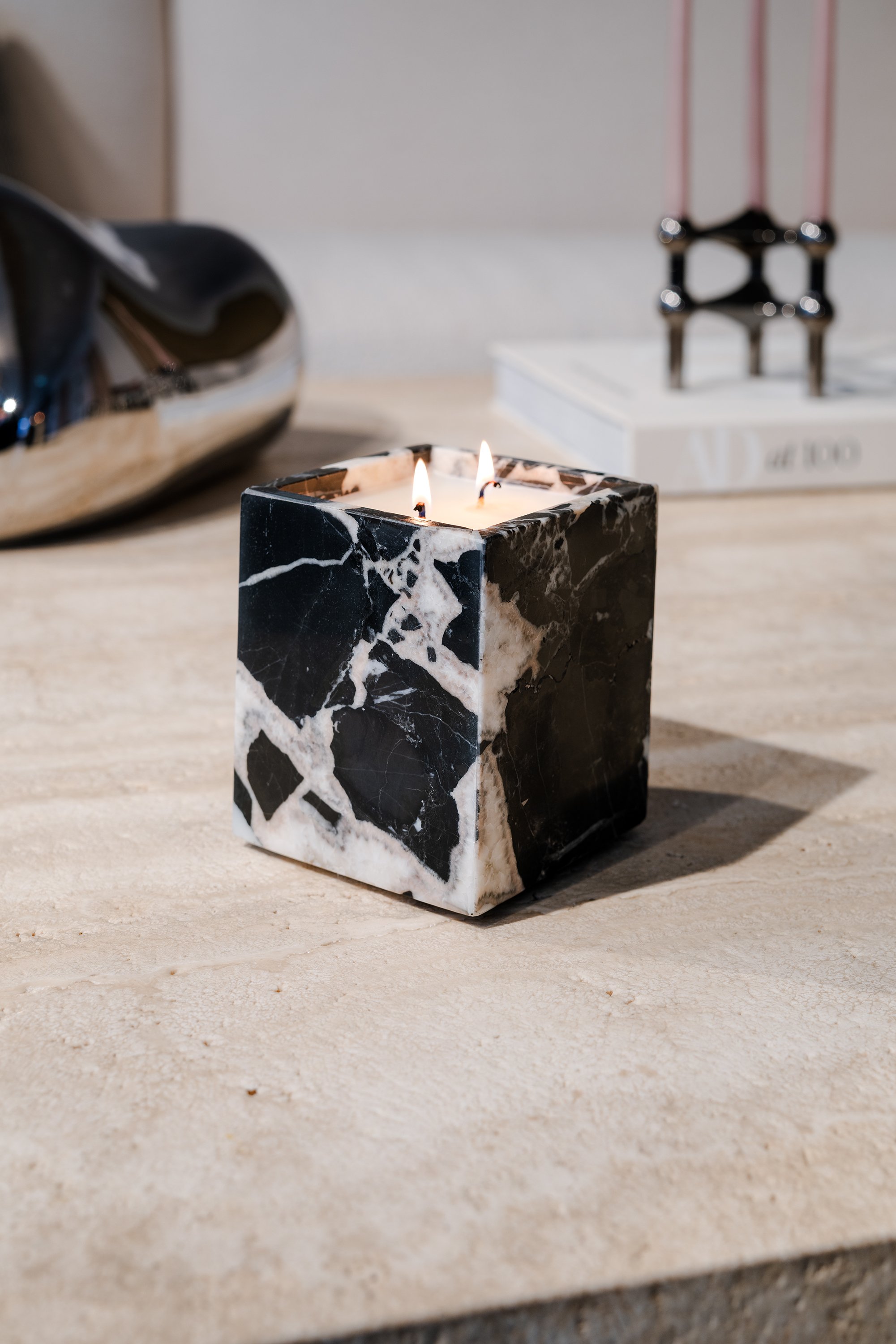
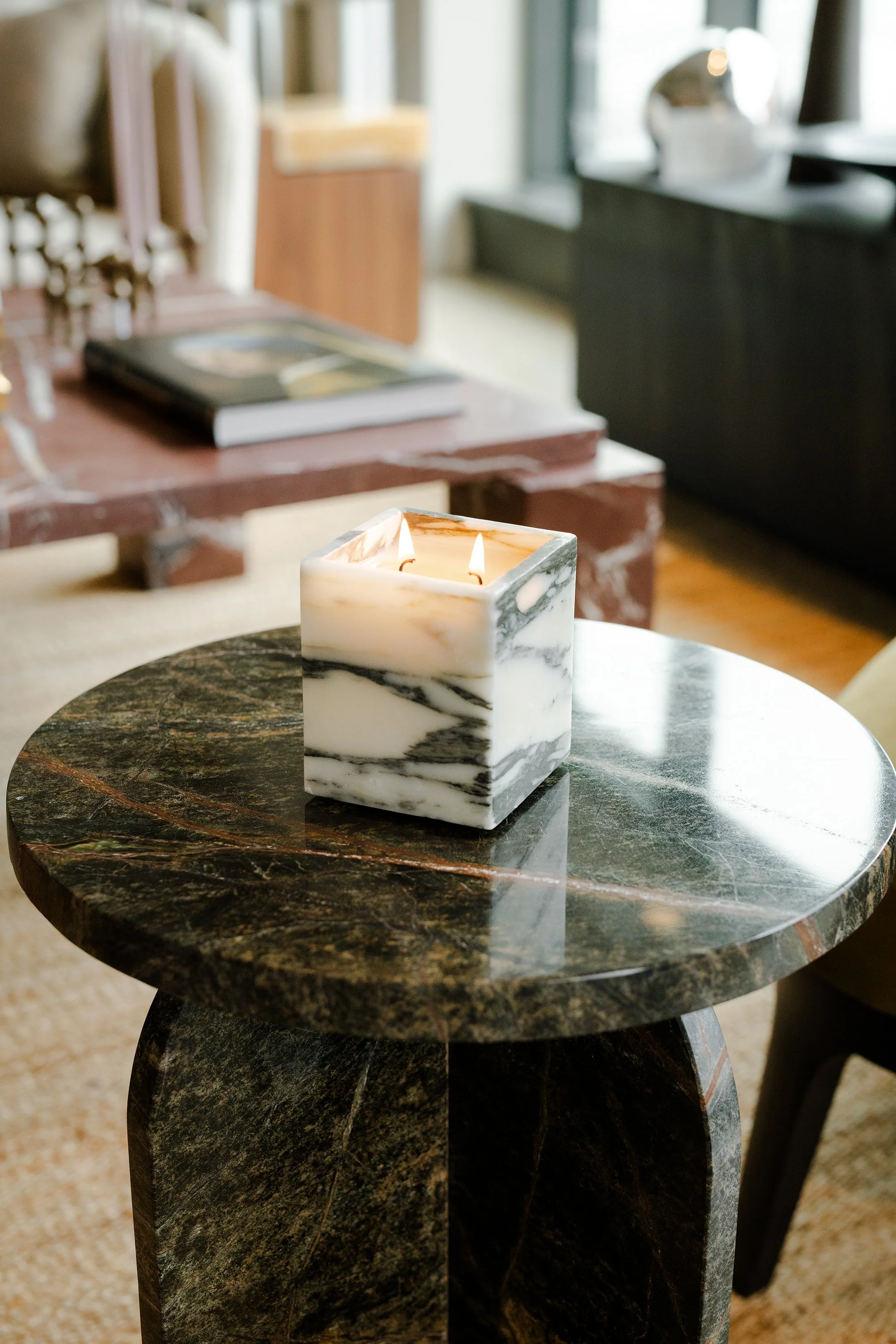
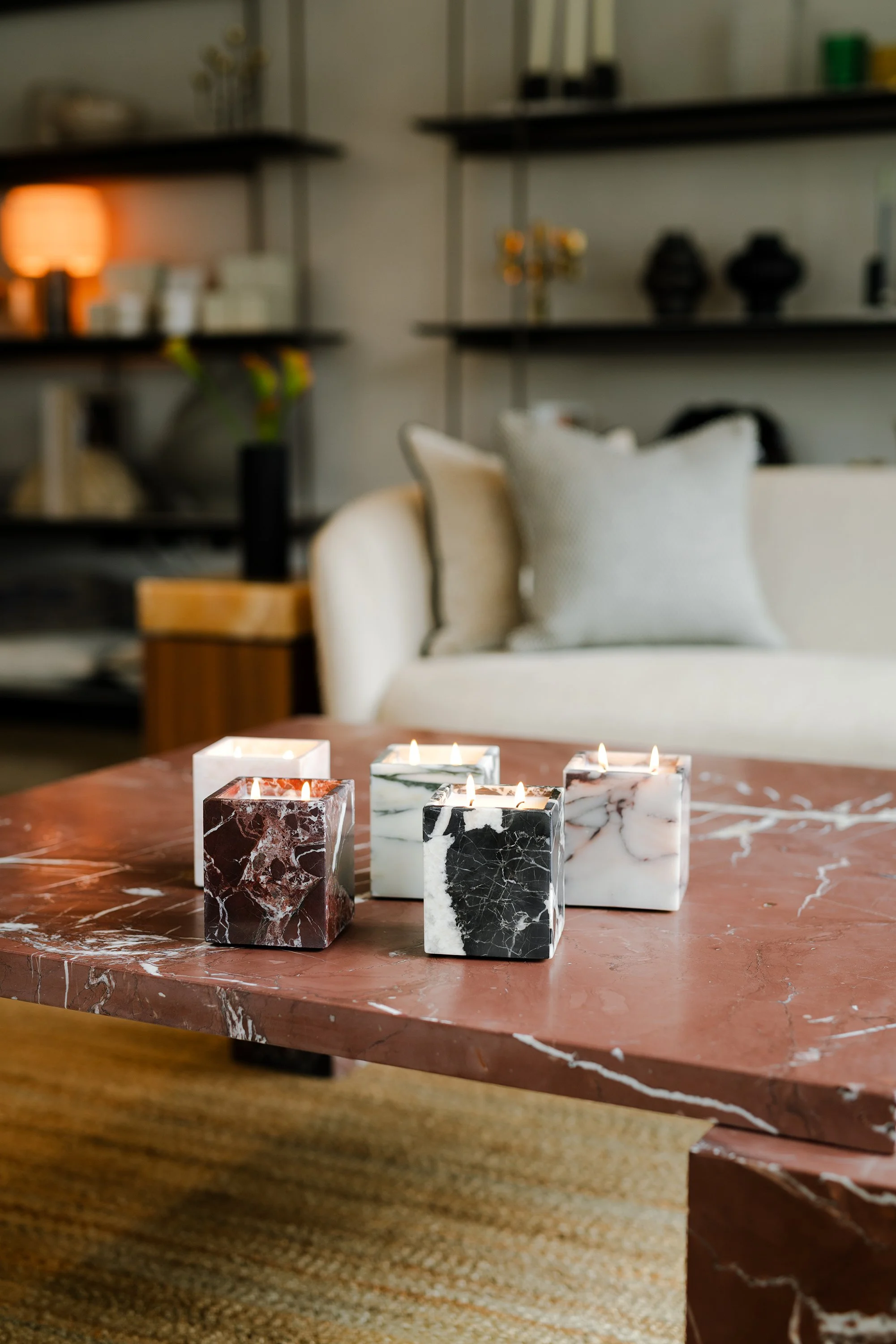
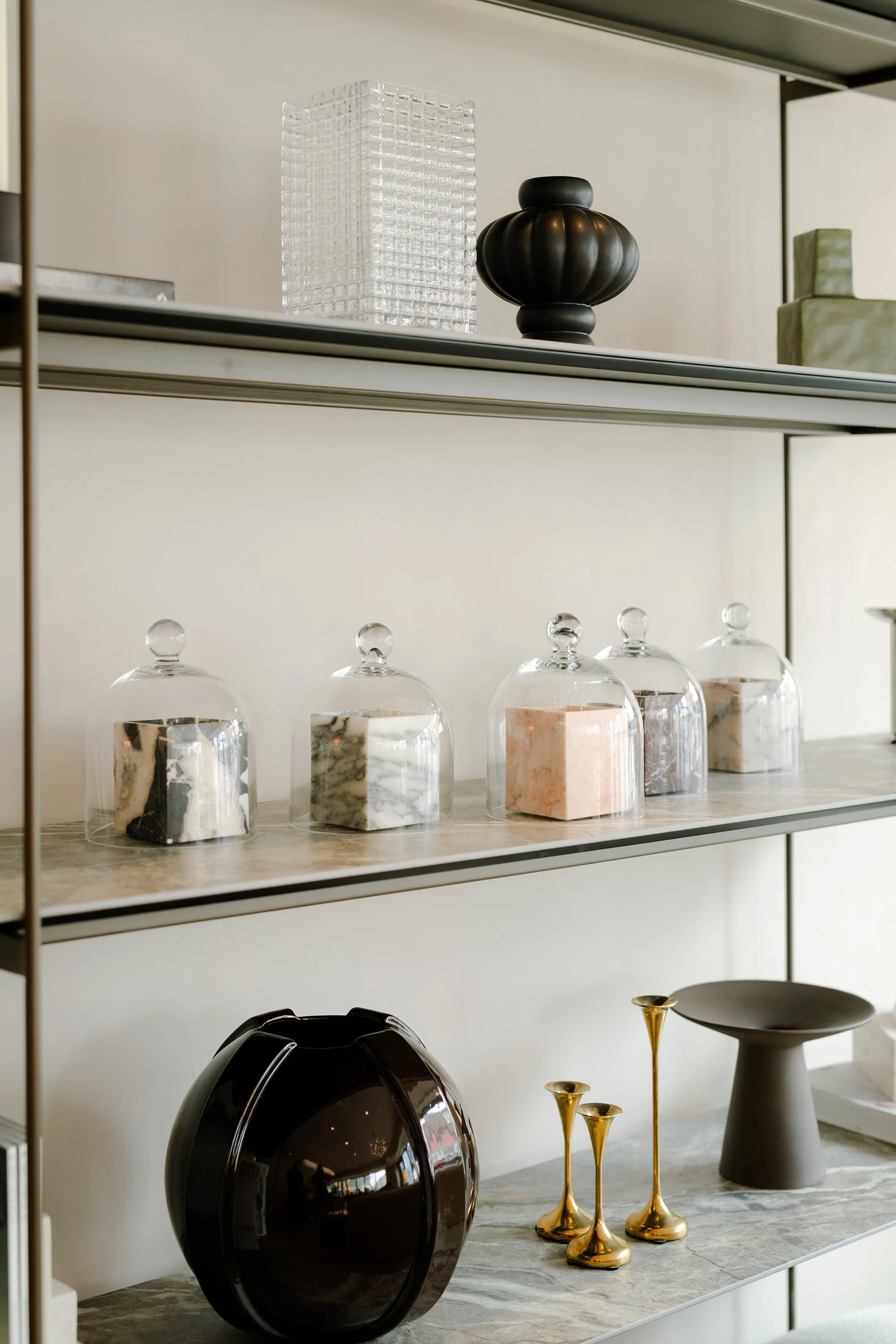
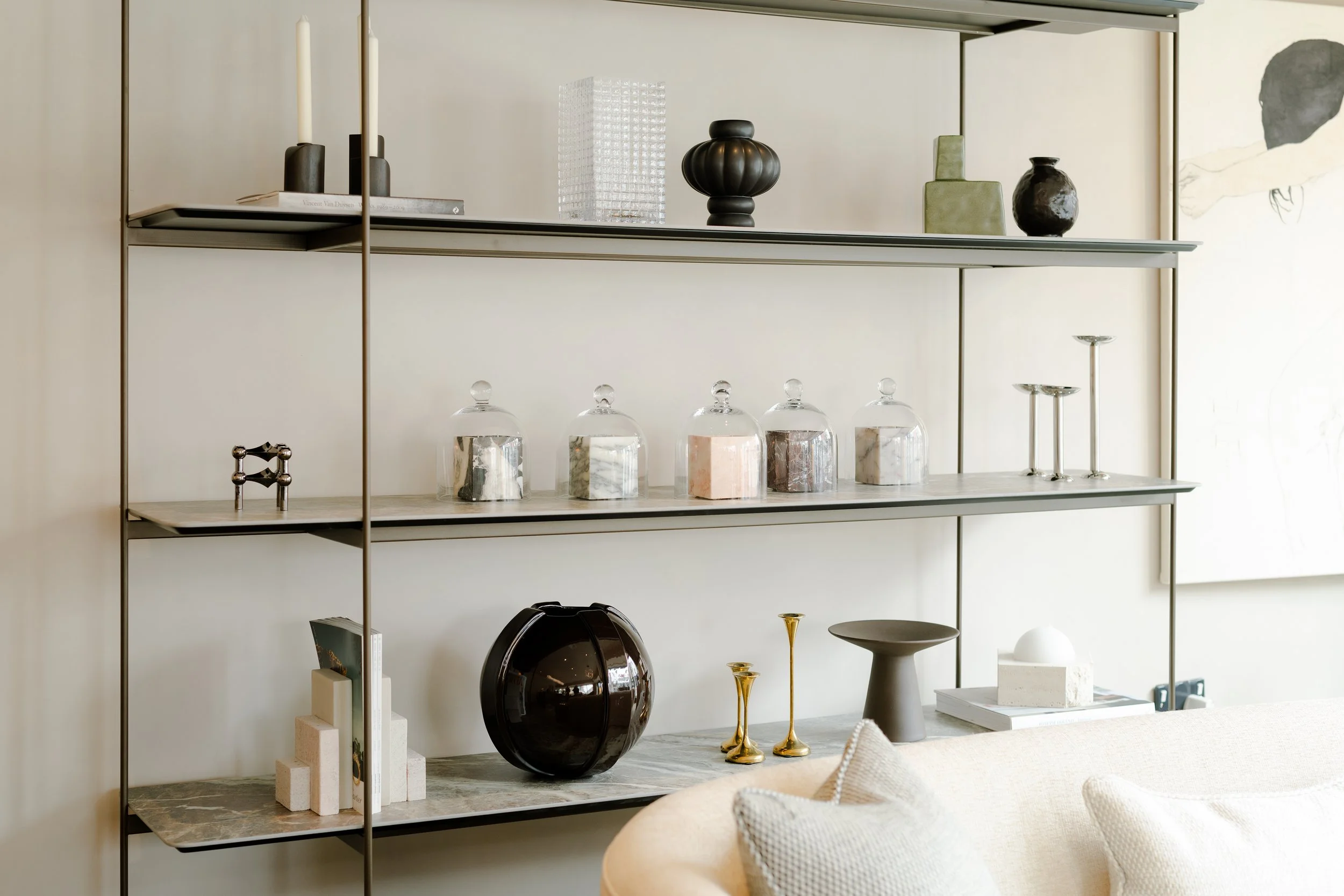
The Marble Candles came from a very similar belief: that a candle could be considered with the same care as any other object within an interior and that something associated with fragrance and ritual could also have permanence and architectural presence.
Each vessel begins with the marble itself, with its colour, movement and veining shaped entirely by nature, and each fragrance is composed around the character of that stone. When the final wax has burned away, the marble remains, ready to be refilled and lived with again
I have always thought of the collection as sitting somewhere between fragrance, object and architecture, so seeing it within JAQI felt immediately natural.
The candles sit amongst rugs, furniture, artworks and sculptural pieces rather than being separated into their own world and that is exactly how I imagined them from the beginning.
Not simply as candles placed on a shelf, but as objects that become part of a room.
The Importance of What Is Left Out
Perhaps what stayed with me most after that first visit was the confidence of the space.
There is a kind of geometry to a beautifully curated interior that has very little to do with symmetry and much more to do with knowing when to stop. You notice it in the proportions, of course, but also in the negative space and in the decisions not to add something simply because you can.
We often associate luxury with abundance: more finishes, more furniture, more decoration, more layers. Increasingly, I find myself drawn to the opposite.
There is enormous luxury in having the confidence to stop. To allow an extraordinary rug enough space to be appreciated rather than covering half of it with furniture. To let the movement of a piece of marble become decoration in itself. To place one beautiful object on a table and resist the instinct to immediately surround it with others.
Perhaps this is why JAQI stayed with me. It expresses something I have become increasingly certain of in my own work: a room does not become more interesting because more has been added to it.
Often, the opposite is true.
A Dublin Design Destination
I find myself mentioning JAQI regularly to clients now, but not simply as somewhere to go when they need to purchase a particular piece.
I tell them to go and spend time there.
Look at furniture at full scale rather than judging it from an image online. Walk across the rugs and understand their texture underfoot. Stand beside a table and feel its proportions. Look closely at how something has been constructed, touch the materials and notice how natural light changes the surfaces around you.
Speak to the people there, too. Ask where something came from, how it was made and why it was selected.
There are aspects of design that cannot be properly understood through a photograph or a product description. A chair can look completely different once you sit in it. The scale of a pendant only really makes sense when you stand beneath it. A stone surface reveals details in person that disappear entirely through a screen.
Atmosphere is harder still to translate.
You simply have to be there.
Finding Something Familiar
When I think back to that first afternoon at JAQI, I realise that what stayed with me was not a particular piece of furniture or even one material, although there were many I loved.
It was the feeling of seeing something familiar expressed through somebody else's perspective.
So many of the ideas I have spent years exploring through Lou Joia were there in a different form: natural materials, craftsmanship, permanence, considered simplicity and the belief that the spaces around us quietly influence the way we live and the way we feel.
There are spaces you admire because they are beautiful.
And then, occasionally, you encounter one that makes you understand your own point of view a little more clearly, because someone else has arrived at a similar place through an entirely different journey.
JAQI was one of those places for me.
Perhaps that is what the best design destinations ultimately do. They introduce us to things we have never seen before, but every so often, they also show us something we already knew and allow us to see it differently.
Jaqi can be experienced at Charlemont Square, Dublin 2 and in Malahide. Lou Joia's Marble Candle collection is available in both showrooms alongside a considered collection of furniture, rugs, art and objects from international design houses.