The Art of Quiet Hospitality
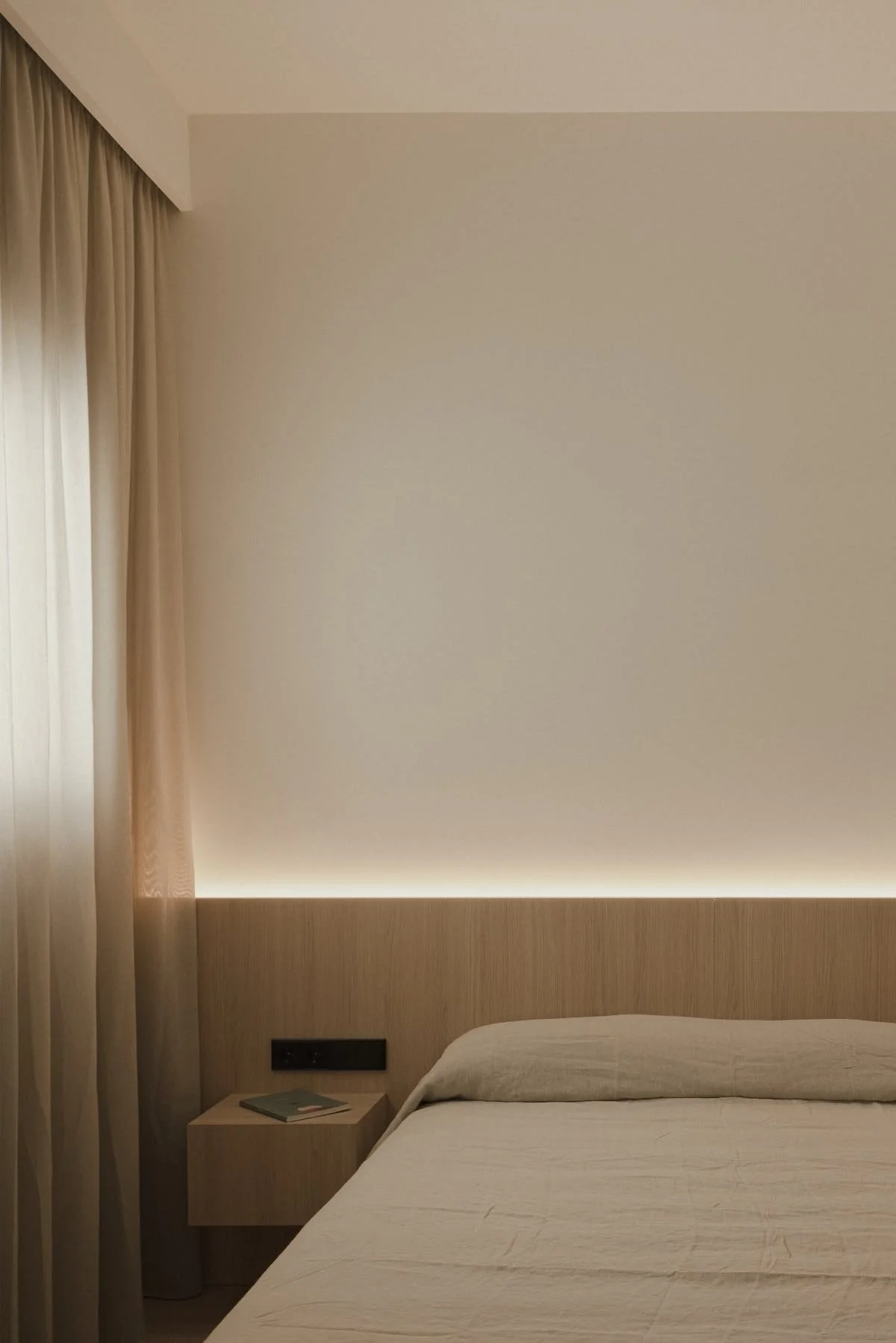
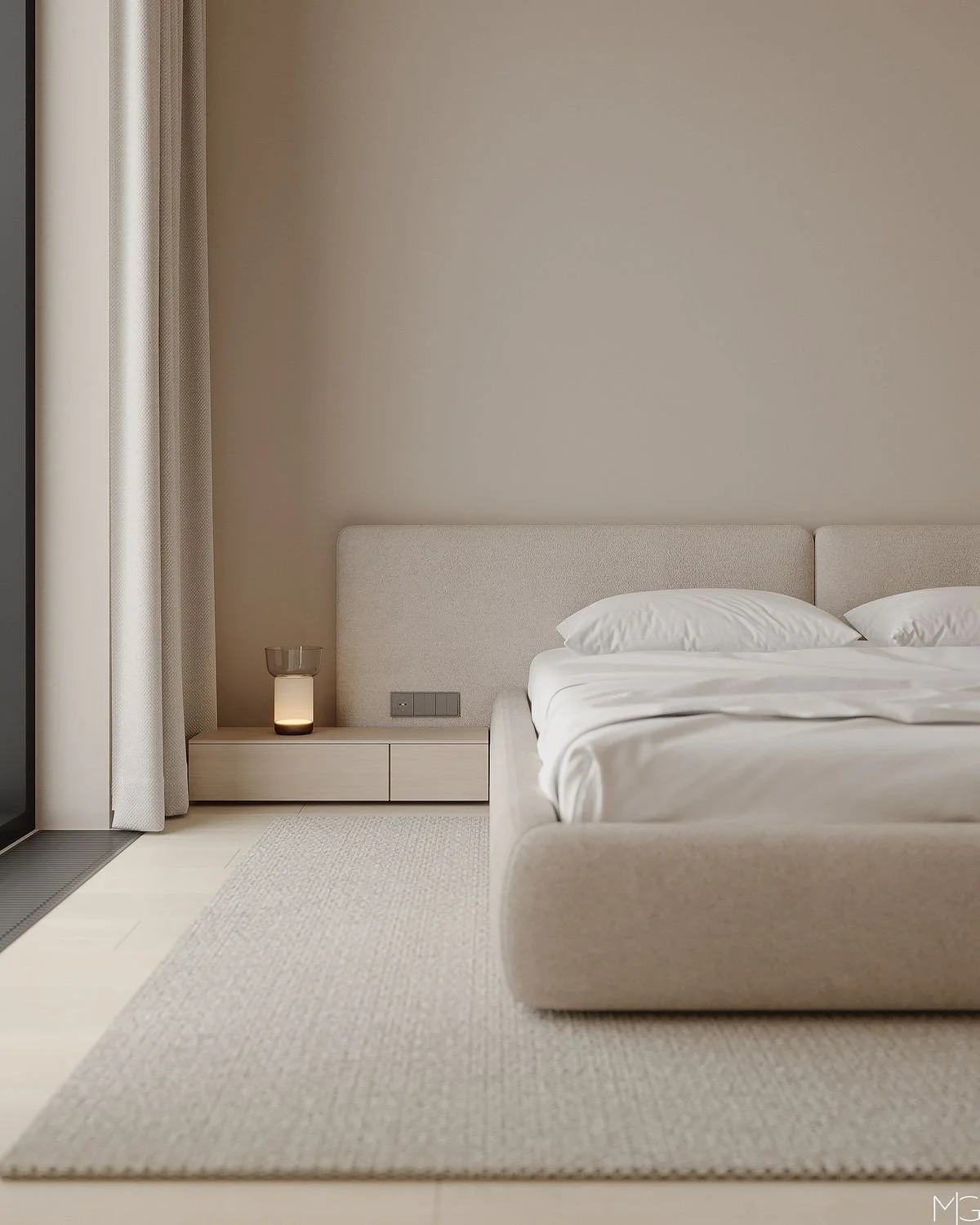
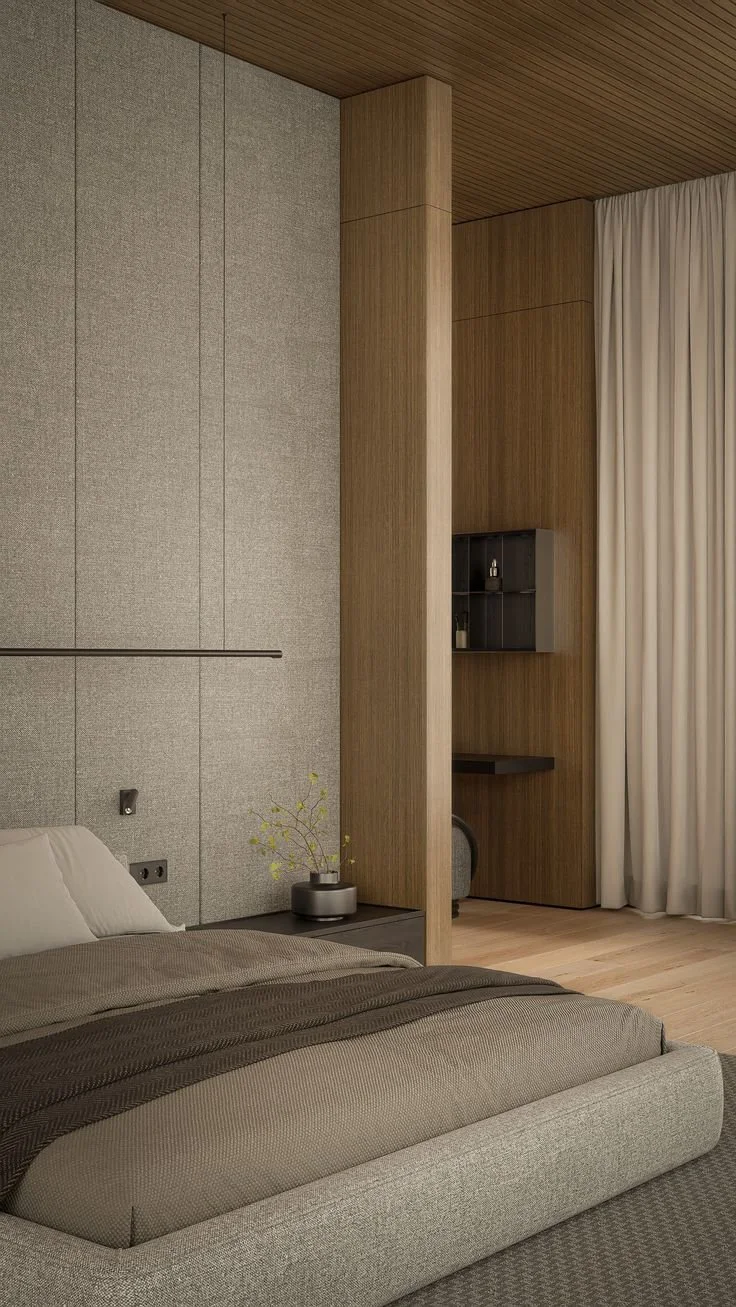
There is a room in our home that is always ready. The bed is made with fresh sheets, there is a surface beside it for a lamp and a book and a small linen pouch holds chargers and adapters for different devices. In the bathroom, fresh towels are stacked beside good soap, while a carafe and glass sit on the nightstand ready for the evening. The window is fitted with a blind that properly darkens the room because a beautiful guest bedroom is not only about how it looks, but how well it allows someone to rest.
These are the foundations.
Only after that do the softer layers come in: a throw folded at the foot of the bed, a candle, pillow spray, fresh flowers or perhaps a carefully chosen book. These details help create atmosphere, but the care itself does not begin with the candle. It begins much earlier, in the way the room has been designed around the person who will eventually arrive.
Design as Anticipation
When you design a guest room, you are answering questions nobody has asked you yet. Where will someone put their suitcase? Can they charge their phone easily without searching behind furniture? Is there enough space beside the bed for a glass of water, a book and a pair of glasses? Is there somewhere to hang clothes, are the towels already there, can the room be made properly dark at night, and is there enough light to read comfortably?
These may seem like very small considerations, but together they are what make a room feel effortless. Good hospitality often comes down to removing friction before the guest ever notices it is there.
A thoughtfully designed room allows someone to arrive and immediately understand how to inhabit it. There is somewhere for their belongings, enough light where it is needed, privacy, water within reach and a sense that the room has already anticipated them. They do not have to ask where the towels are or whether there is somewhere to charge a phone. The space has quietly answered those questions in advance.
That, to me, is where hospitality begins.
The Foundations of a Thoughtful Guest Room
Before thinking about decoration, I always come back to function. A guest bedroom should first answer a very simple question: what does the body need in order to rest properly?
The mattress does not need to be the most expensive available, but it should genuinely support good sleep. The same is true of the sheets. Quality matters because these are not visual details; they are things the body actually experiences. A beautiful room loses something if the bed itself is uncomfortable.
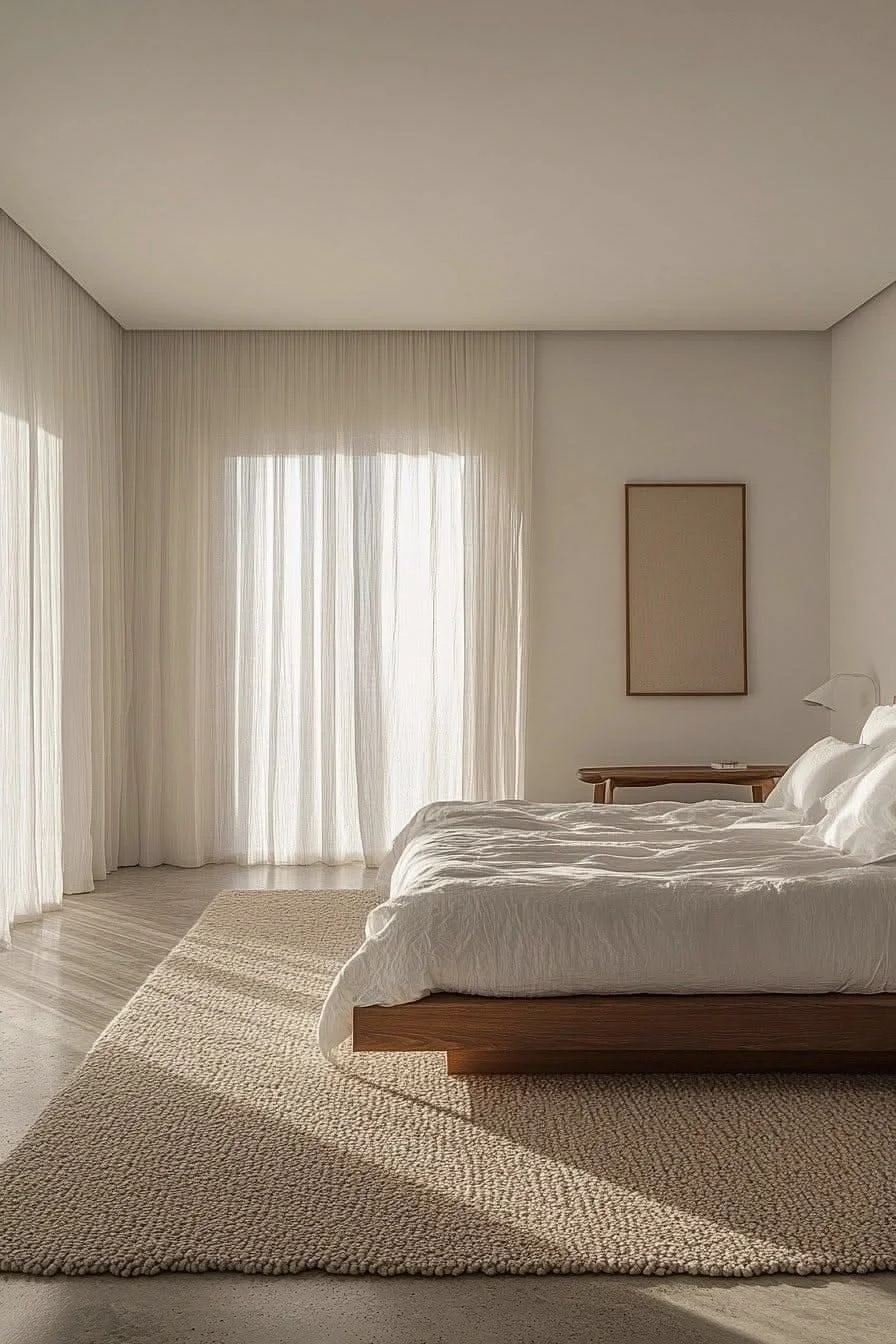
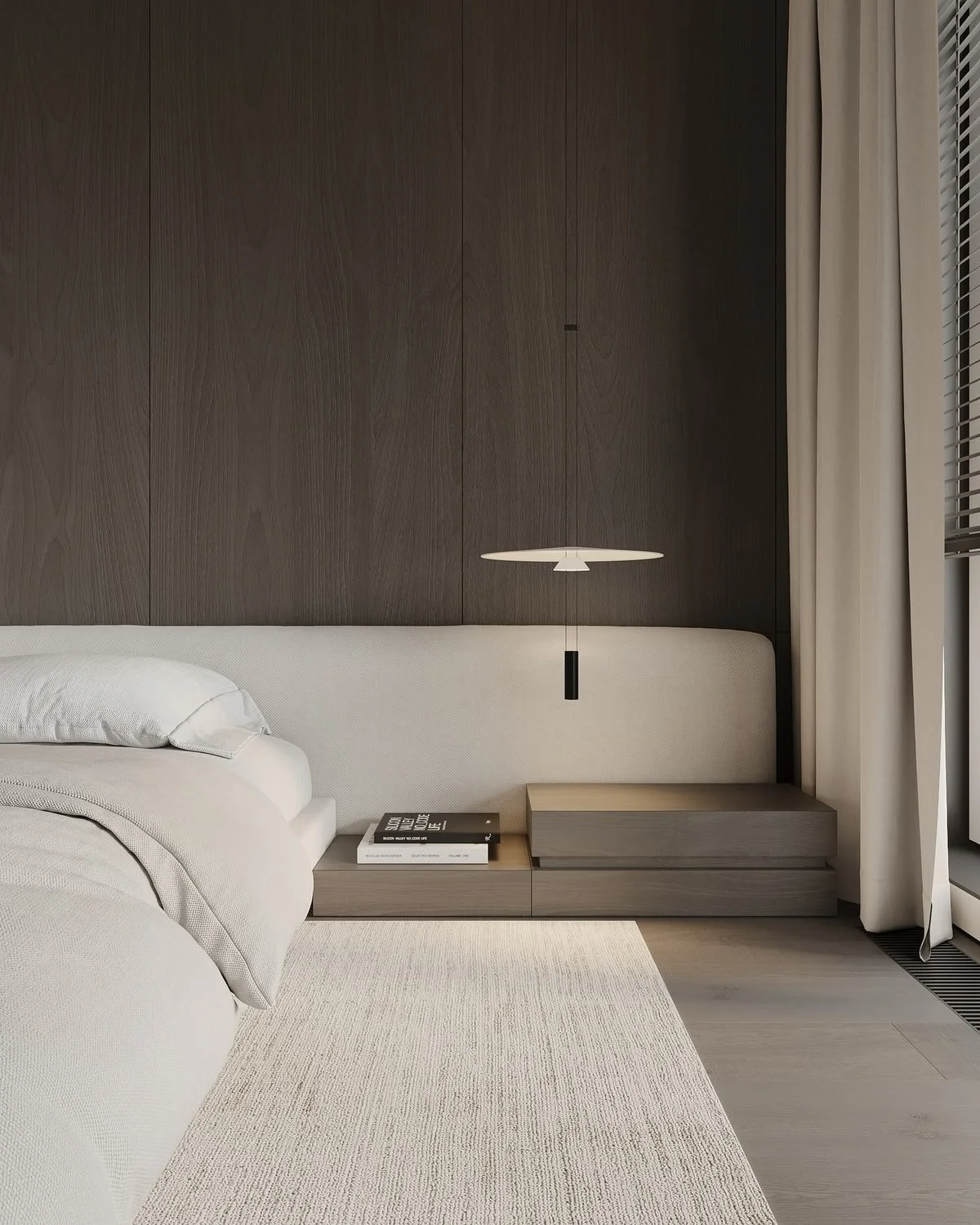
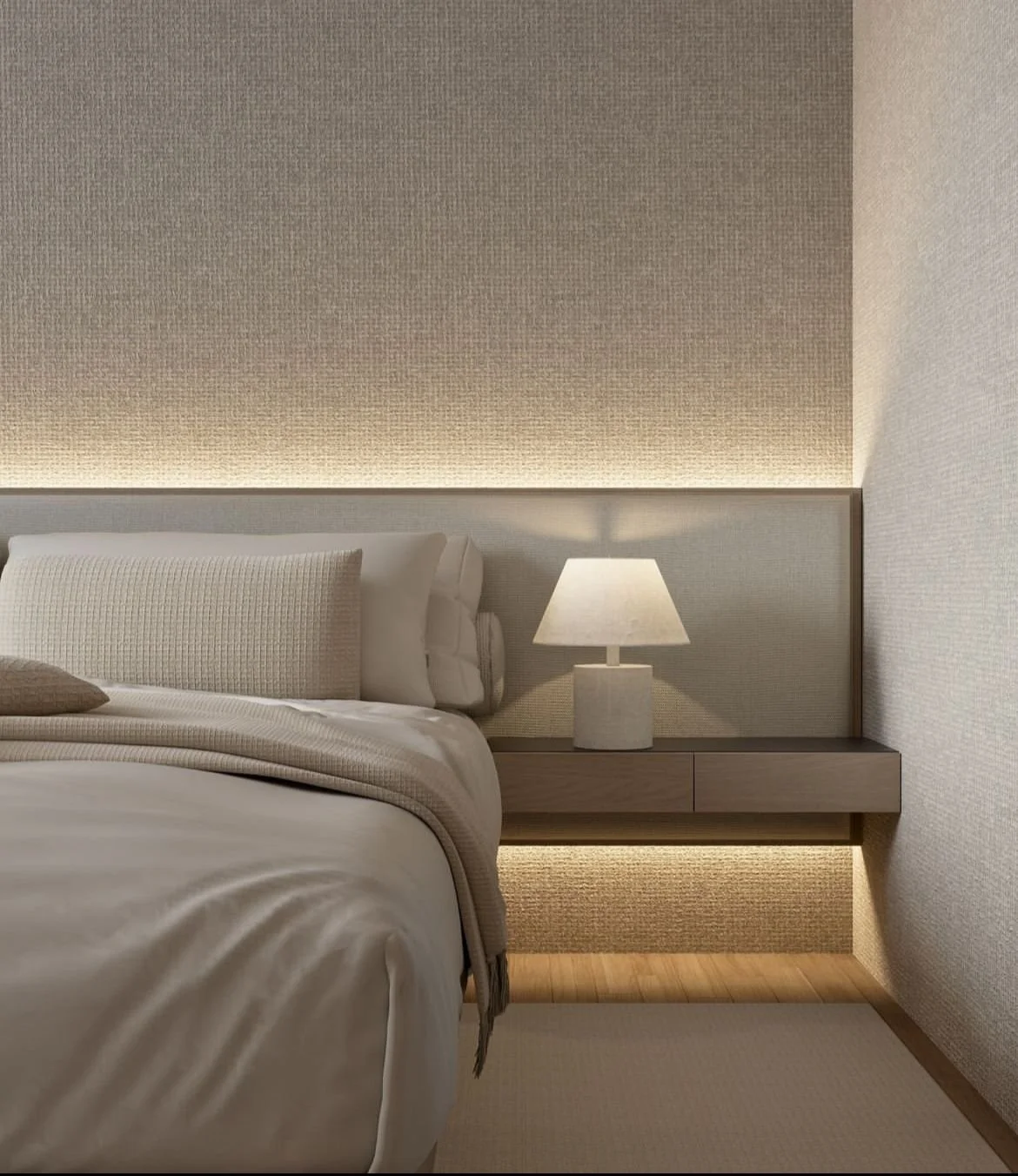
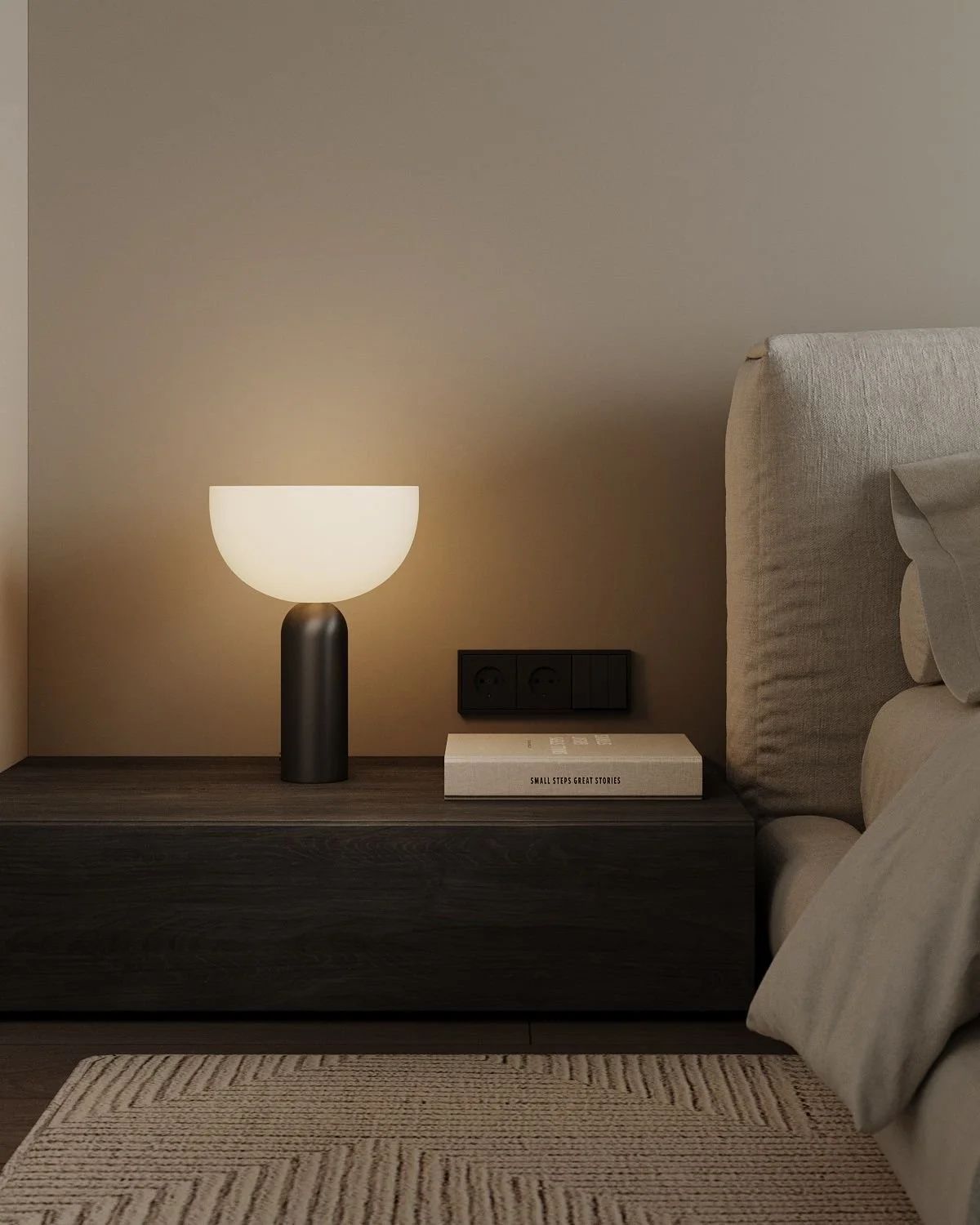
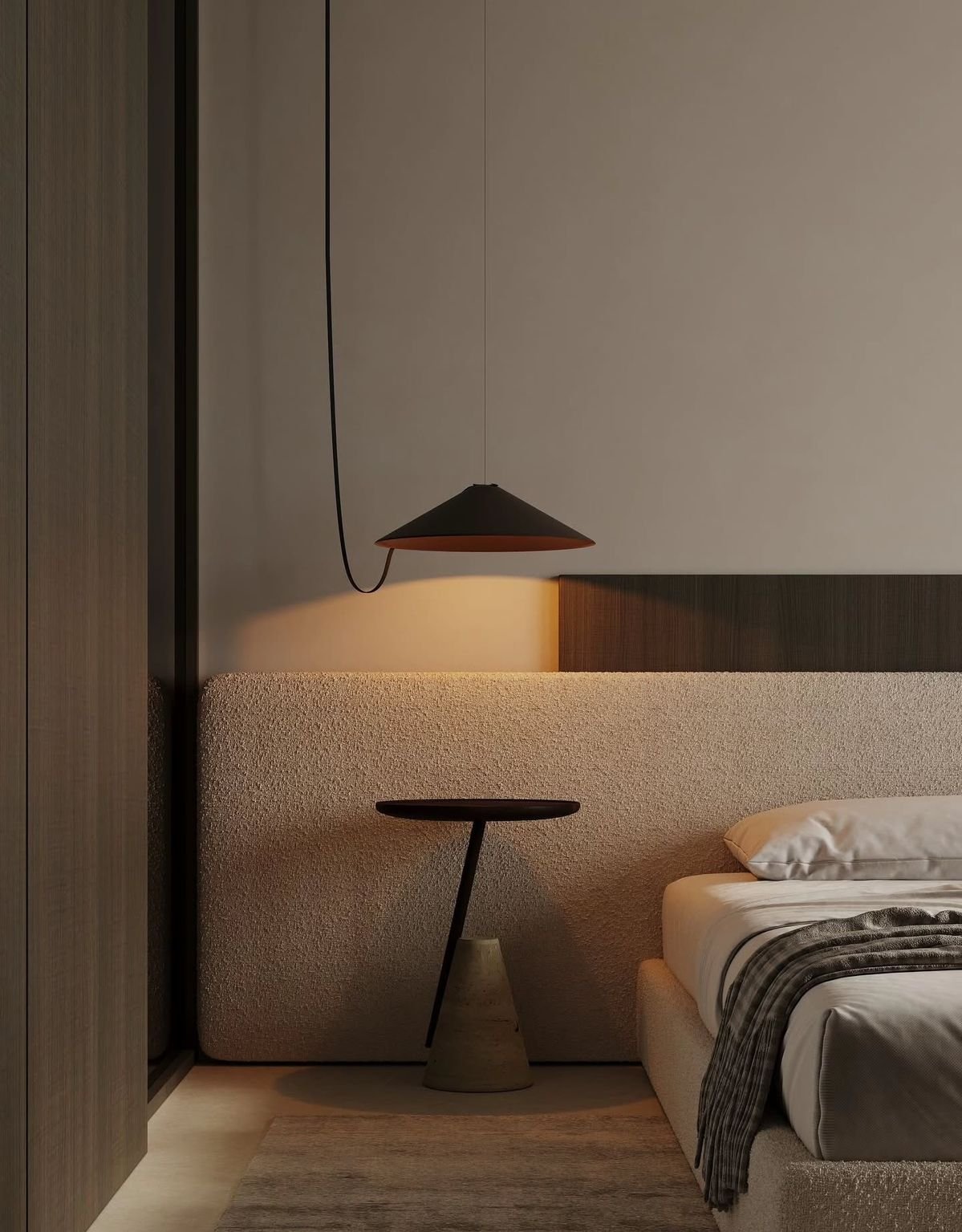
Lighting is equally important. There should be practical light when someone needs to see clearly, but also softer bedside lighting for reading and winding down in the evening. The window treatment needs to work properly too. A blind that looks beautiful but lets early morning light pour into the room has not fully done its job. Blackout is not really a luxury in a bedroom, it is part of designing for sleep.
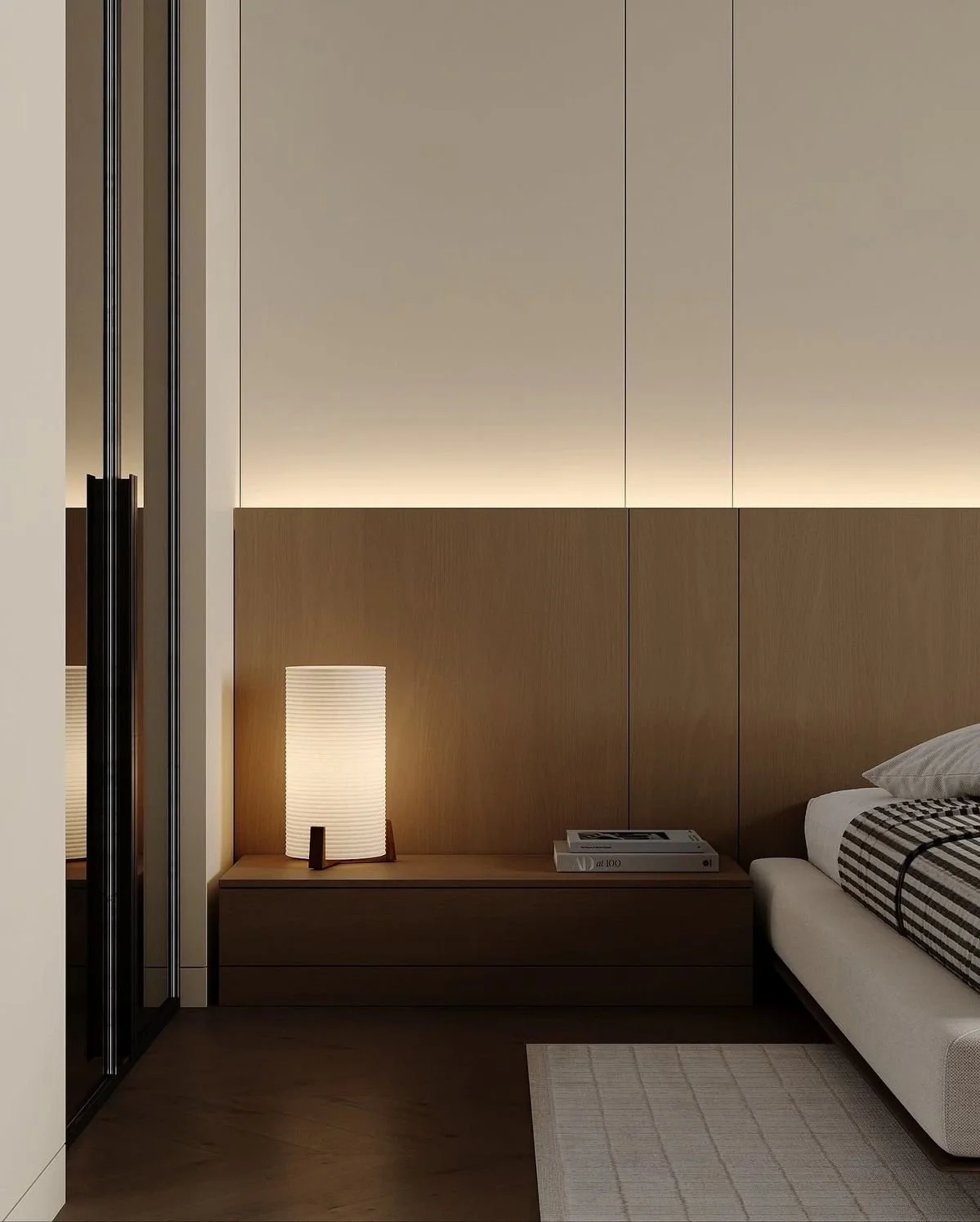
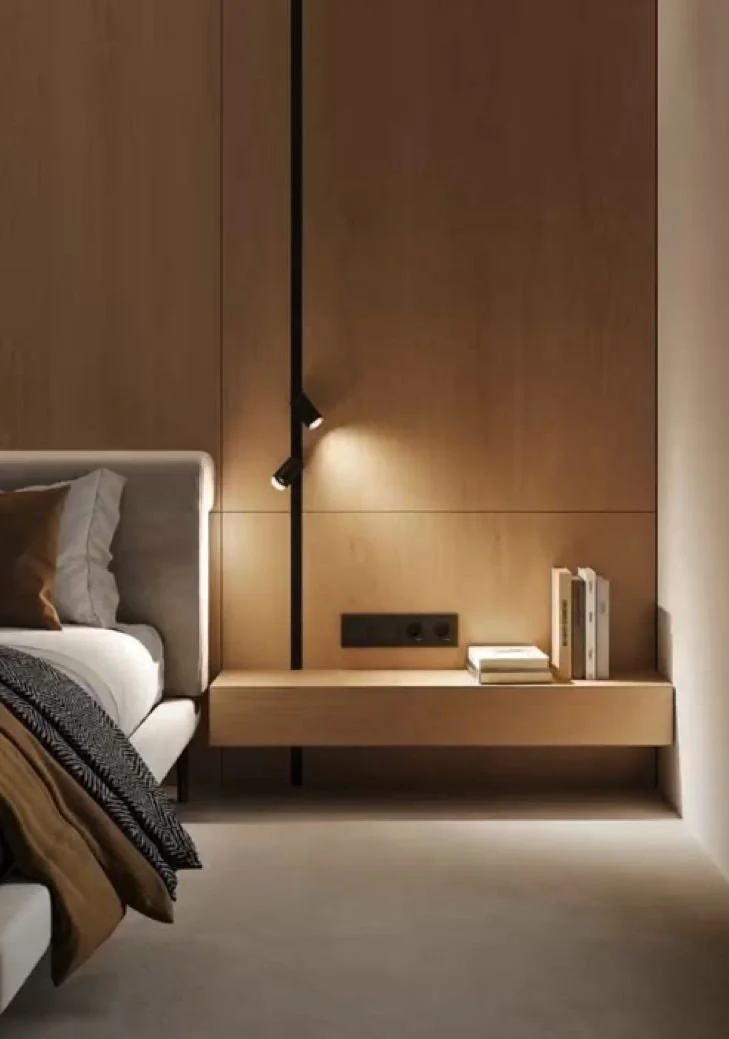
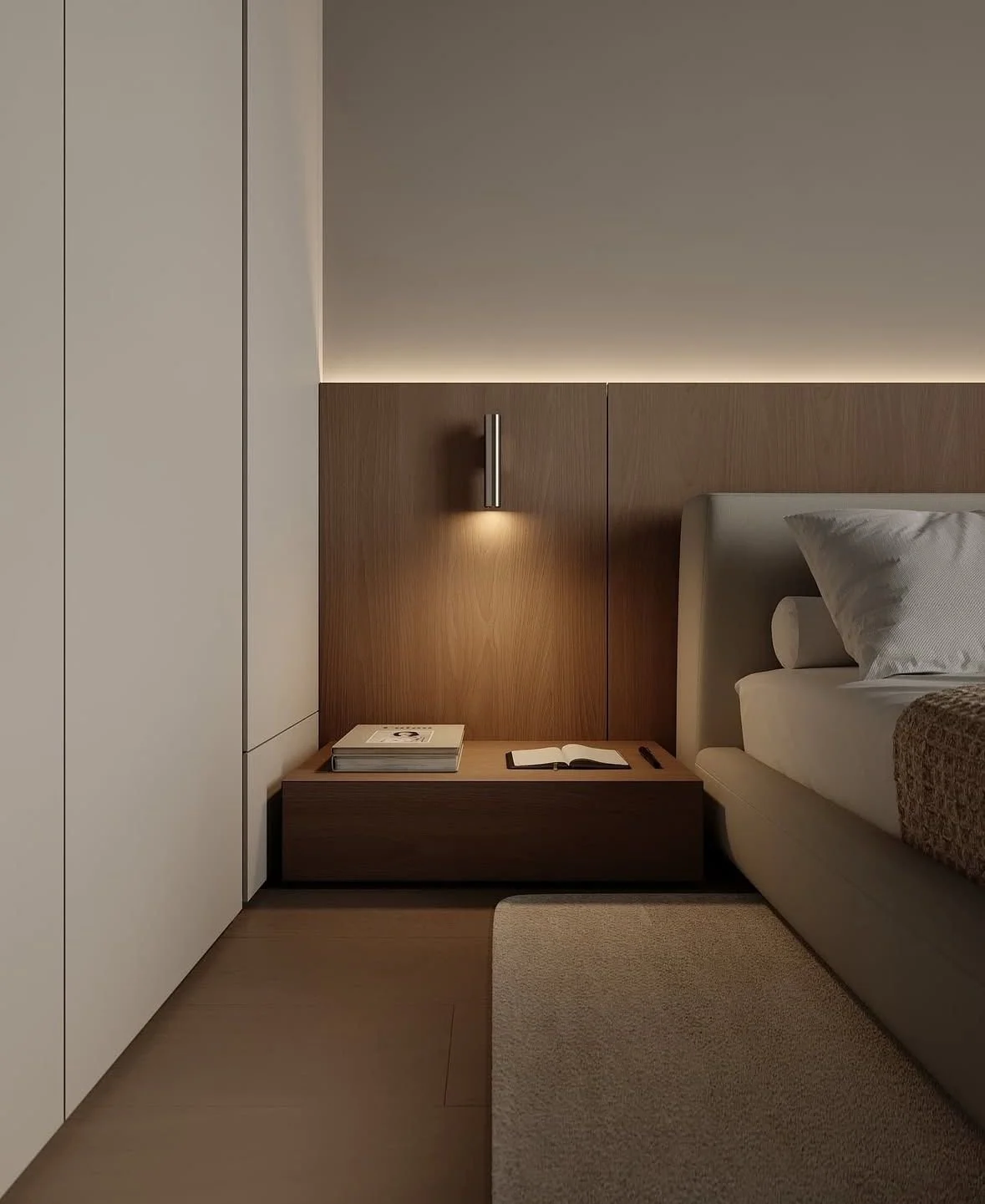
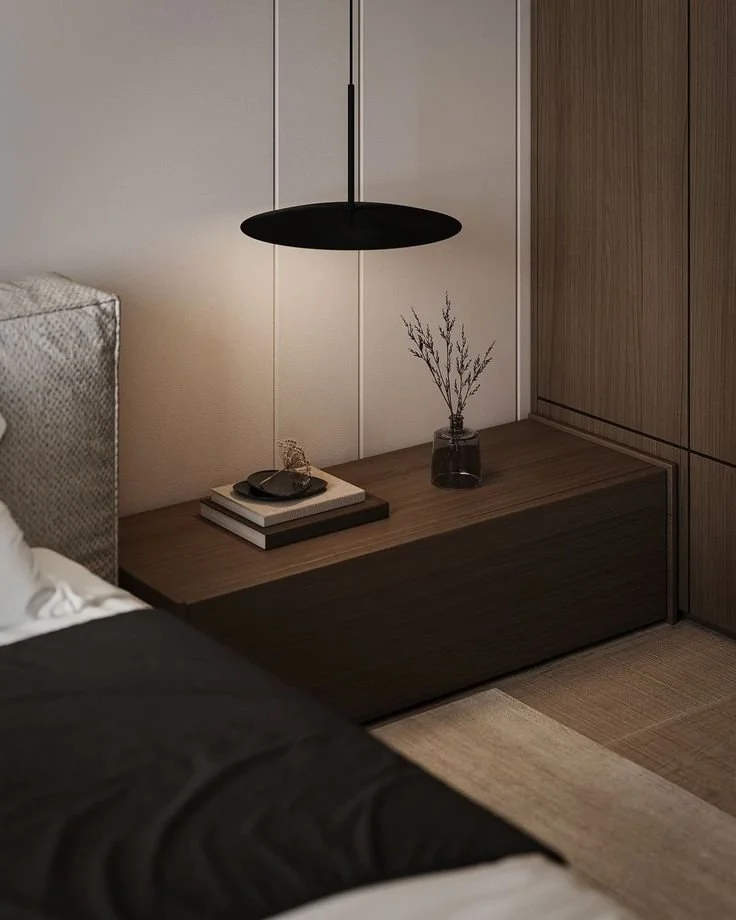
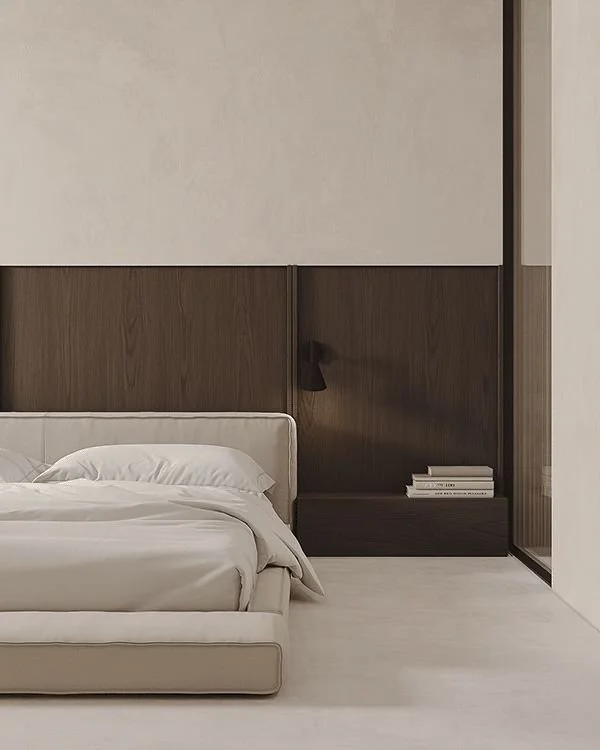
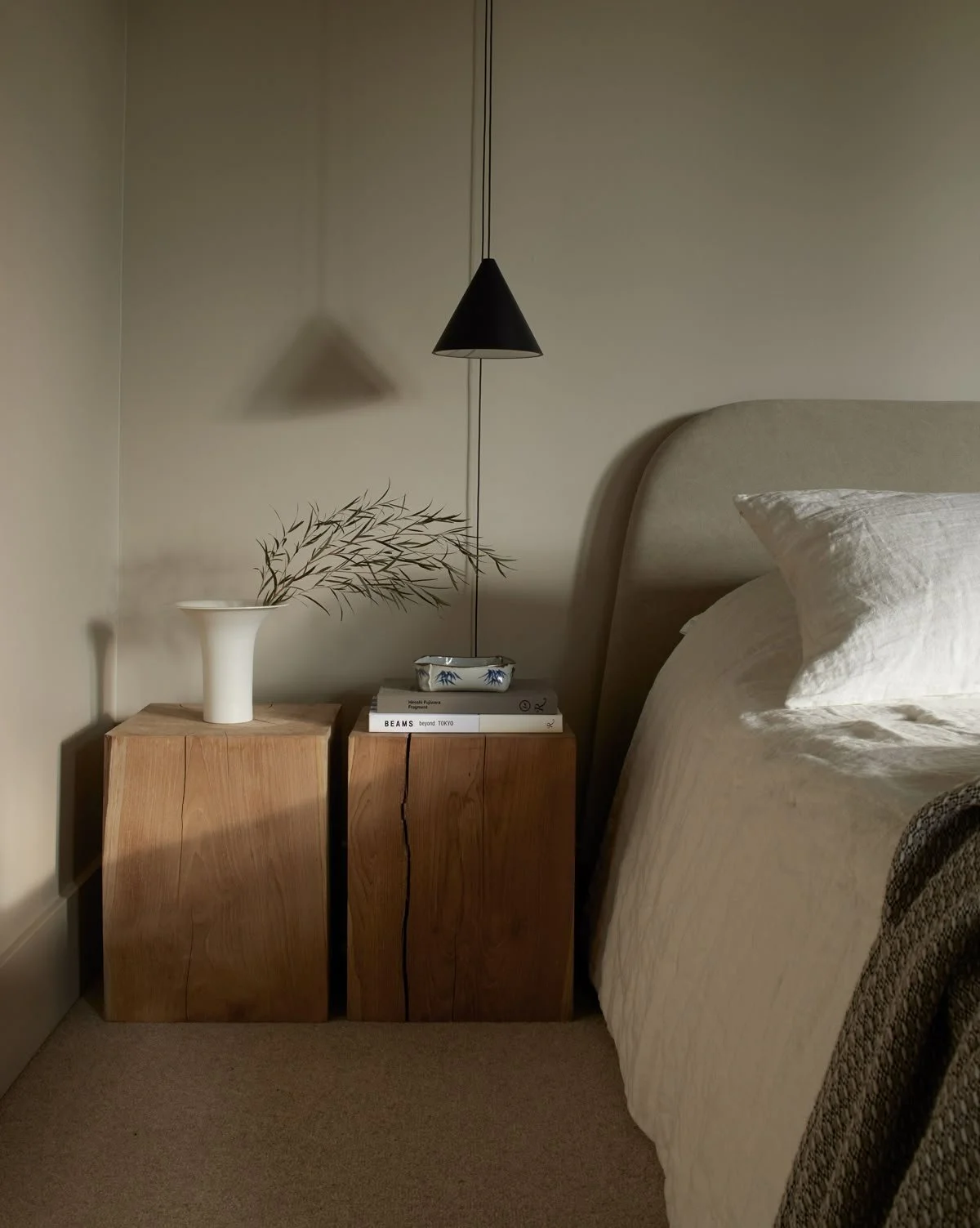
There should also be a proper surface beside the bed, even if it is small, because people need somewhere to place things. A glass of water, a book, keys, a watch and a phone all need a natural resting place.
Perhaps the most overlooked element, though, is empty space. A guest room should have room in the wardrobe, a drawer left available, somewhere to put a suitcase and perhaps a hook that has not already been occupied. The psychological comfort of arriving somewhere and finding that space has genuinely been left for you is significant. It immediately tells you that you are not simply fitting into whatever was left over.
This is the foundation of the room: function, comfort, light, materiality and enough breathing space for another person to make it temporarily their own.
The Small Gestures
Once those practical layers are in place, the smaller gestures begin to matter.
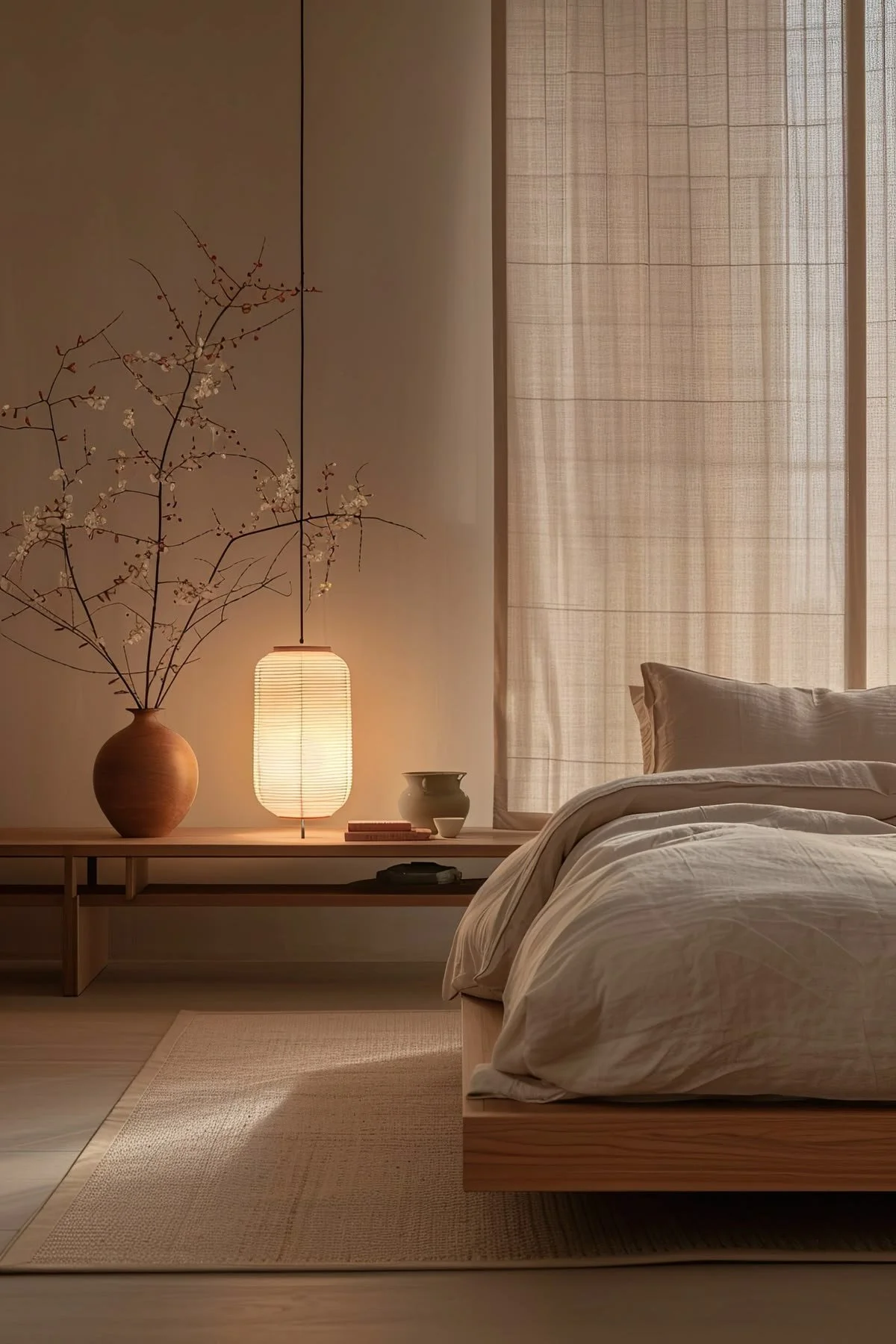
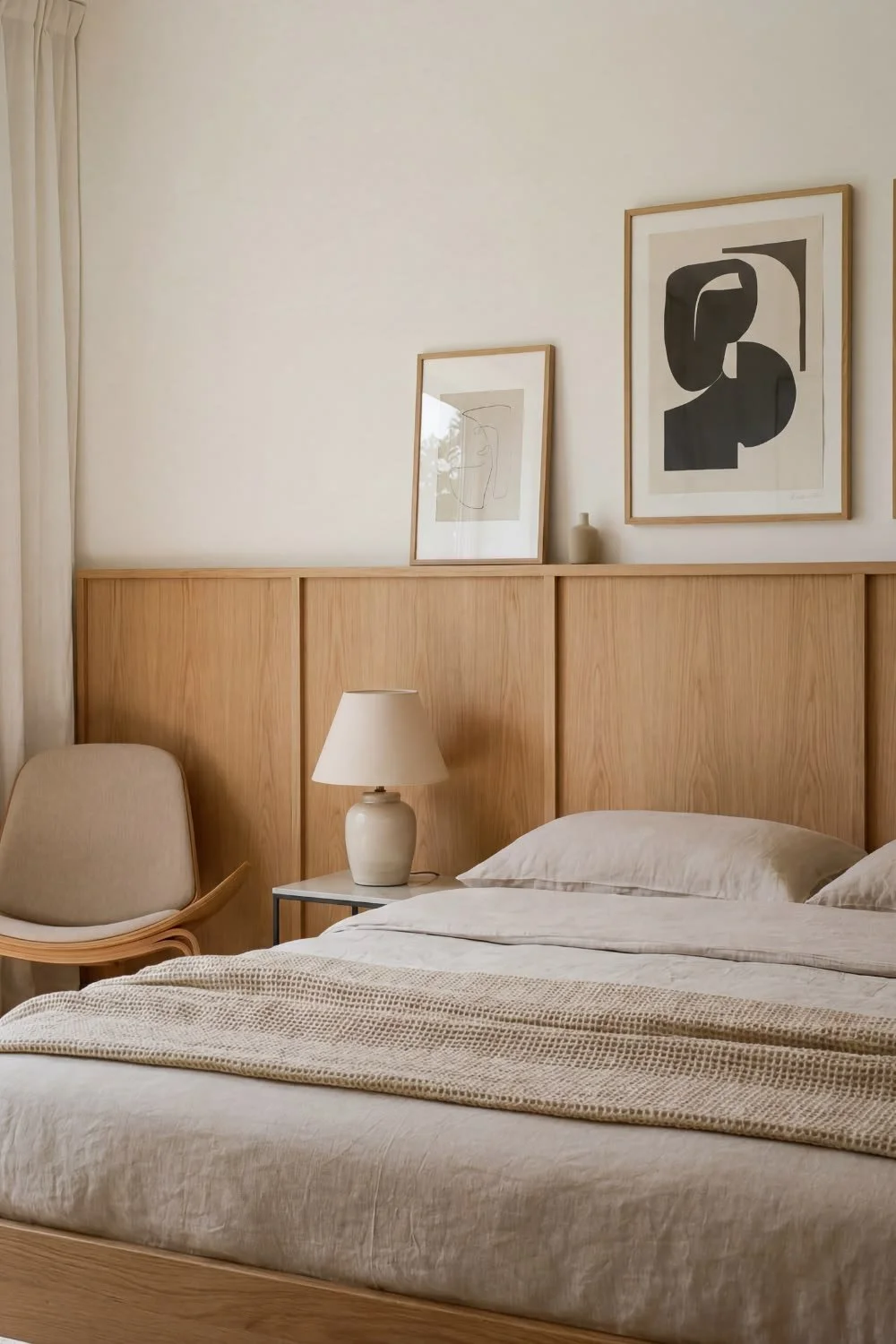
A throw folded at the end of the bed does not need to be cashmere, it simply needs to feel good to touch and warm enough to reach for on a cool evening. A candle beside the bed can soften the atmosphere as daylight disappears. Fresh flowers, a branch from the garden or a small plant introduce something living, while a thoughtfully chosen book gives the room a sense that somebody considered how the guest might spend a quiet half-hour before sleep.
The same applies to the bathroom. Fresh towels, a soap that feels pleasant to use, perhaps makeup remover, cotton pads or body wash are all very ordinary things, but they remove those small moments where a guest might otherwise need to ask for something.
None of this needs to be expensive and that distinction matters. Attention is the point; luxury is not.
A person can feel deeply cared for in a room with a simple throw, clean cotton sheets, fresh water and a good book beside the bed. What they are responding to is not the cost of the objects, but the fact that someone thought ahead. The room feels considered because it anticipates rather than reacts.
The Scandinavian Understanding of Hospitality
The Scandinavian approach to the home does not really begin with candles, pale timber or any of the visual codes that have come to represent Nordic interiors. At its core is a more fundamental question: how does this space support the way we live?
That means considering rest, daily ritual, light, materiality, warmth and the ease with which a room can be used. Comfort is not treated as indulgence, but as part of living well, and this becomes particularly interesting when applied to a guest bedroom.
Scandinavian hospitality is rarely about grandeur or ceremony. Its generosity is quieter and often more informal. The aim is not to impress the guest with how much has been prepared, but to create an environment in which they can relax without feeling managed or overly accommodated.
A guest should be able to put their book down, open the wardrobe, wrap themselves in the blanket, make a cup of tea or sleep late without feeling they are disturbing something precious. The room should feel beautiful, but it should also feel usable.
This idea of ease is central. The home is not performing for the guest; it is supporting them.
There is also something distinctly Nordic in the idea of having enough. Enough warmth, enough light, enough privacy, enough space and enough comfort. Nothing excessive, but nothing essential missing either. It is a balance between simplicity and generosity, where the room does not overwhelm the person staying in it, yet provides everything they genuinely need.
Perhaps this is one of the most Scandinavian qualities a guest bedroom can have: it does not try too hard to impress. It simply makes it easy for somebody to feel at home.
The Home as Refuge
The relationship between Scandinavian design and comfort is also inseparable from climate. Across the Nordic countries, long winters, limited daylight and colder temperatures have historically made the interior particularly important. The home becomes a place of shelter in the fullest sense of the word, and that is reflected in the way light, materials and comfort are considered.
Lighting matters because natural daylight is precious. Textiles soften a room both physically and visually. Timber and tactile materials introduce warmth, while furniture is typically designed around daily life rather than spectacle. The result is not simply an aesthetic language, but an understanding of the home as somewhere to recover from the outside world.
That idea feels especially relevant in a guest bedroom because, in a small way, you are creating a temporary refuge for another person. It is somewhere they can close the door, put down their belongings and feel that they have a space of their own for a night or for a few days.
Seen in this way, hospitality is not really about entertaining. It is about allowing someone to rest.
Anticipating Without Asking
There is a parallel here with the Japanese idea of omotenashi, which is often translated simply as hospitality but carries a deeper sense of attentiveness. It is about considering another person's needs before they have to articulate them, so that the experience feels natural rather than orchestrated.
There is something very relevant about this in interior design because the best-designed spaces do exactly the same thing. A handle is where your hand expects it to be. A light is available where darkness falls. A surface appears where you naturally need to place something, and storage exists where clutter would otherwise gather.
When these decisions are made well, we barely notice them. We simply experience the room as easy to live in.
A guest bedroom can work in the same way. Its hospitality is not announced; it is embedded in the design. Across Scandinavian and Japanese traditions, there is a shared idea here that a well-considered room can welcome someone before a word has even been spoken.
A Room Should Not Feel Staged
There is also an important difference between preparing a room and staging one.
A staged room asks not to be disturbed, while a prepared room invites use. The bed can be beautifully made, but the guest should feel free to climb into it. The extra covers can be carefully folded, but it exists to be unfolded. The towels may be neatly stacked, but they are there to be used.
Good design should never become so precious that somebody feels uncomfortable interacting with it.
This matters particularly in a guest room, because hospitality is not only about what we provide. It is also about giving someone permission to inhabit the space without worrying that they are disrupting it.
The room exists for them.
What It Means
A guest bedroom is not really about the room at all. It is about letting someone know, before they arrive, that there is a place for them and that their comfort has been considered.
Beauty still matters, of course. The materials matter, the atmosphere matters and the way evening light falls across a wall matters. But those things become meaningful when they support the person experiencing them rather than simply existing to be admired.
Perhaps that is what makes a guest room truly beautiful. It is not the expense of it, nor its perfection, nor how closely it resembles a photograph. It is the clarity of the message it sends.
The room waits, not as an empty room, but as a space deliberately held for someone else. Through comfort, function and care, it says something very simple:
There is room for you here.